


 简体中文
简体中文 English
 日本語
日本語 한국어
한국어 Español
 русский


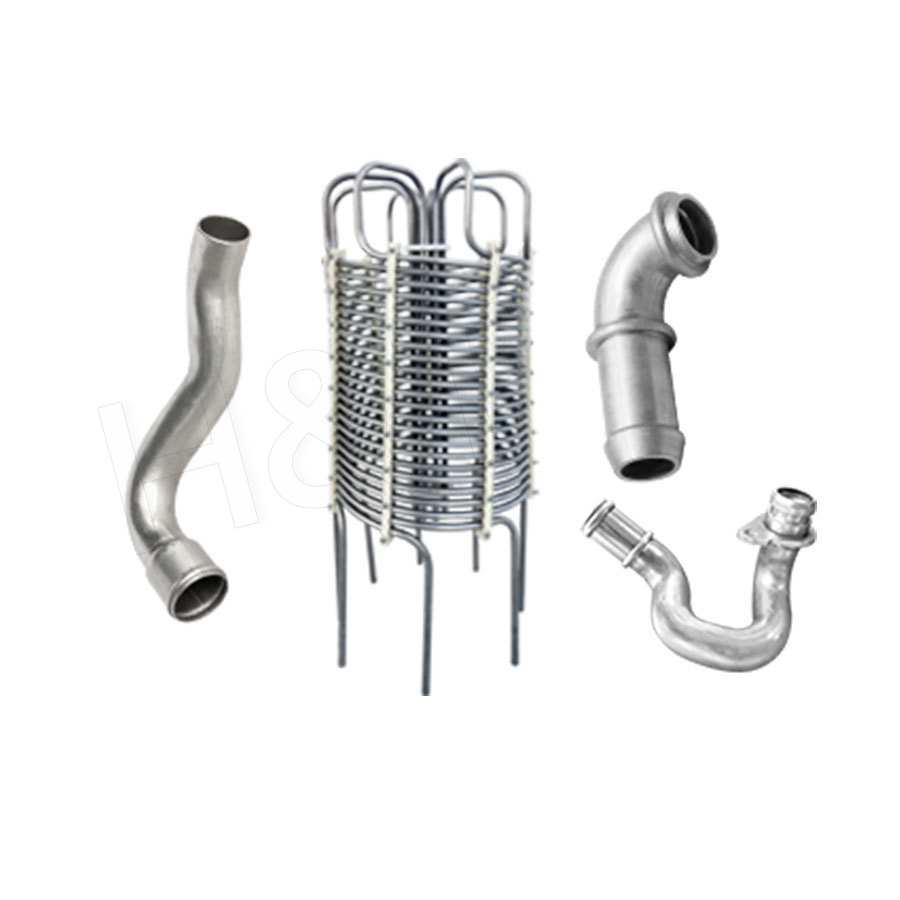
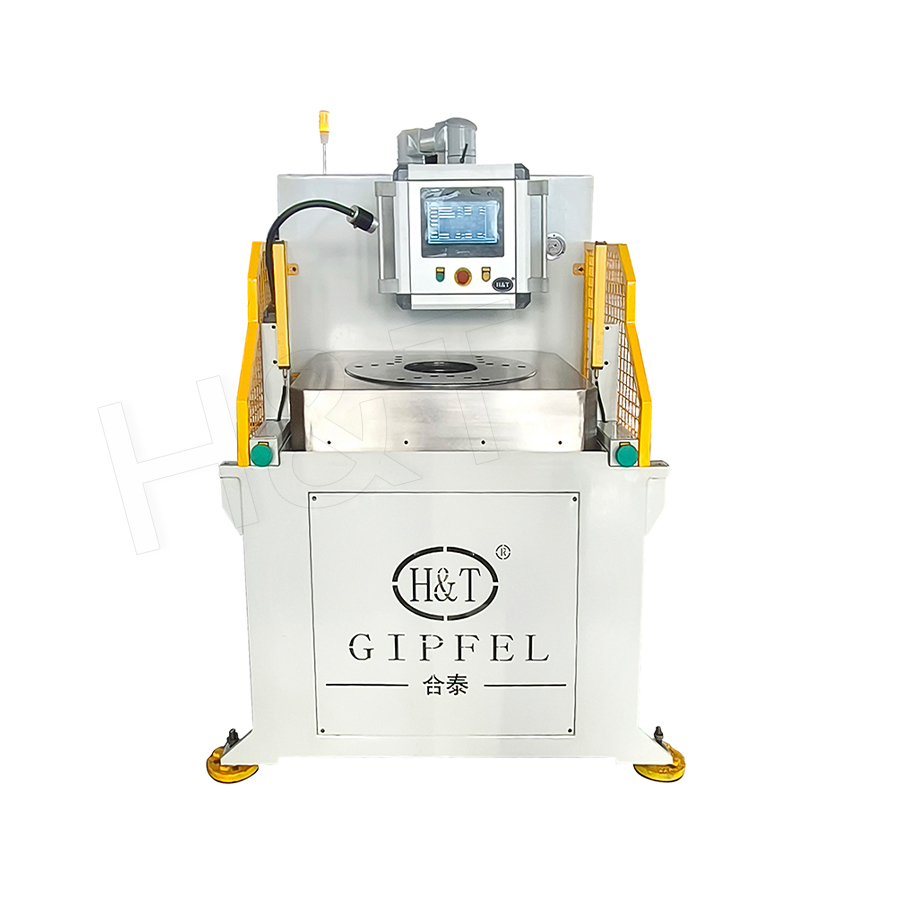
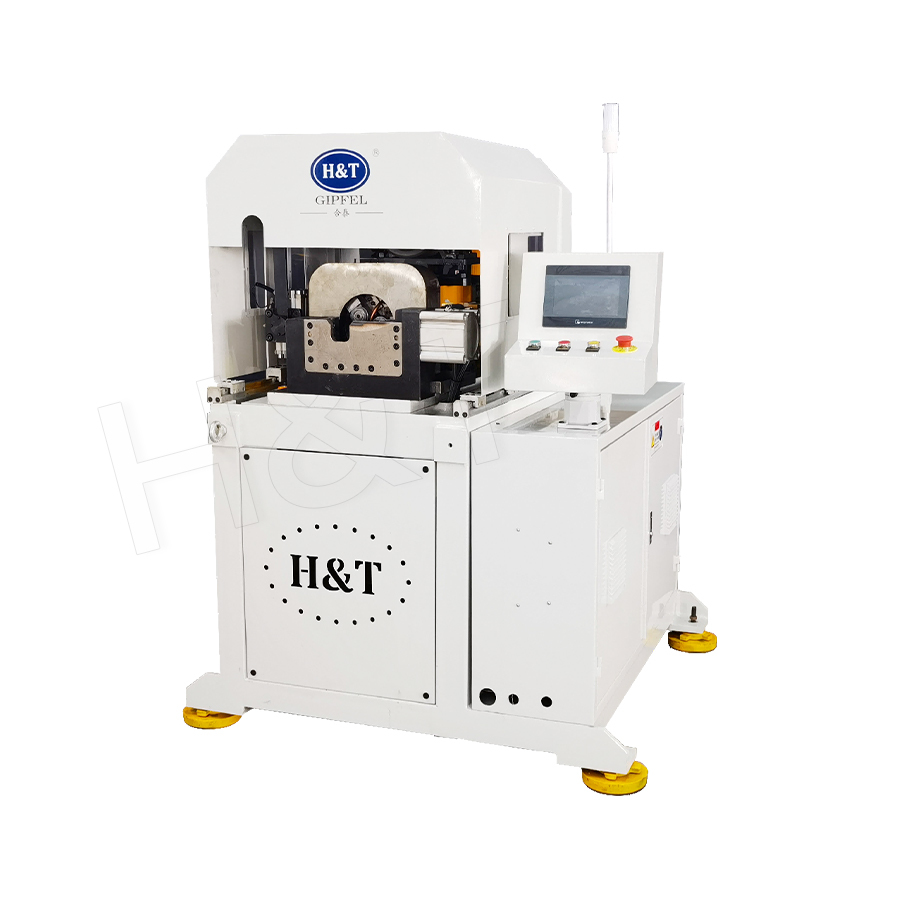
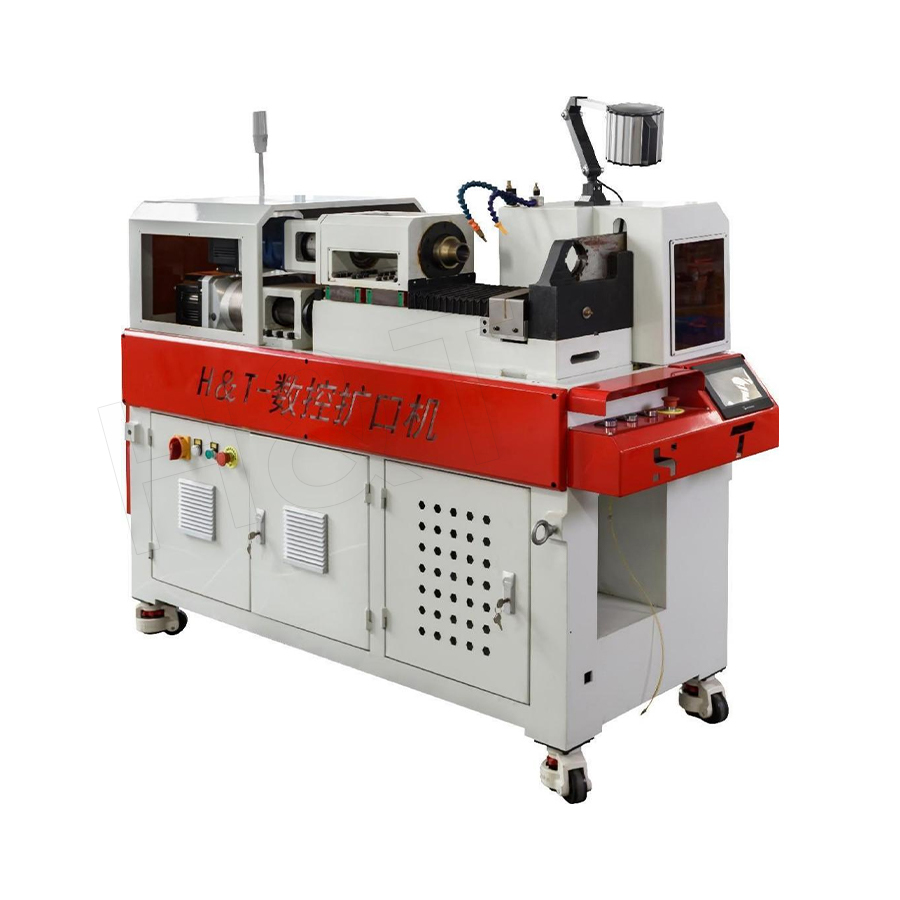
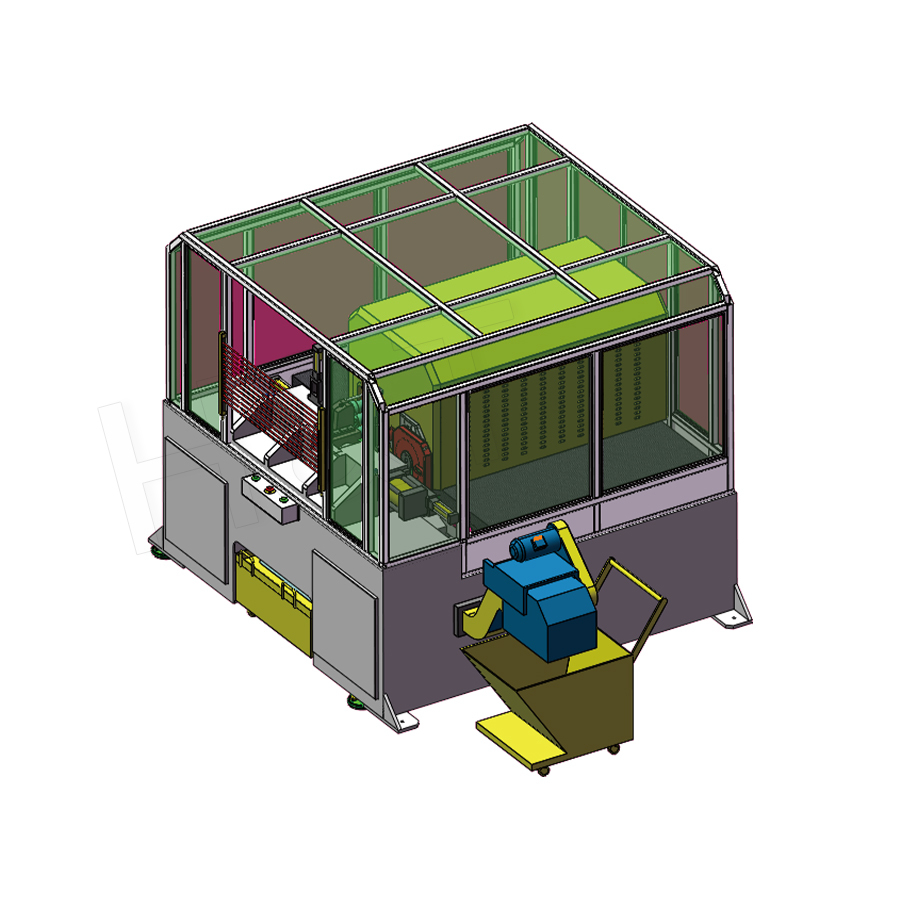
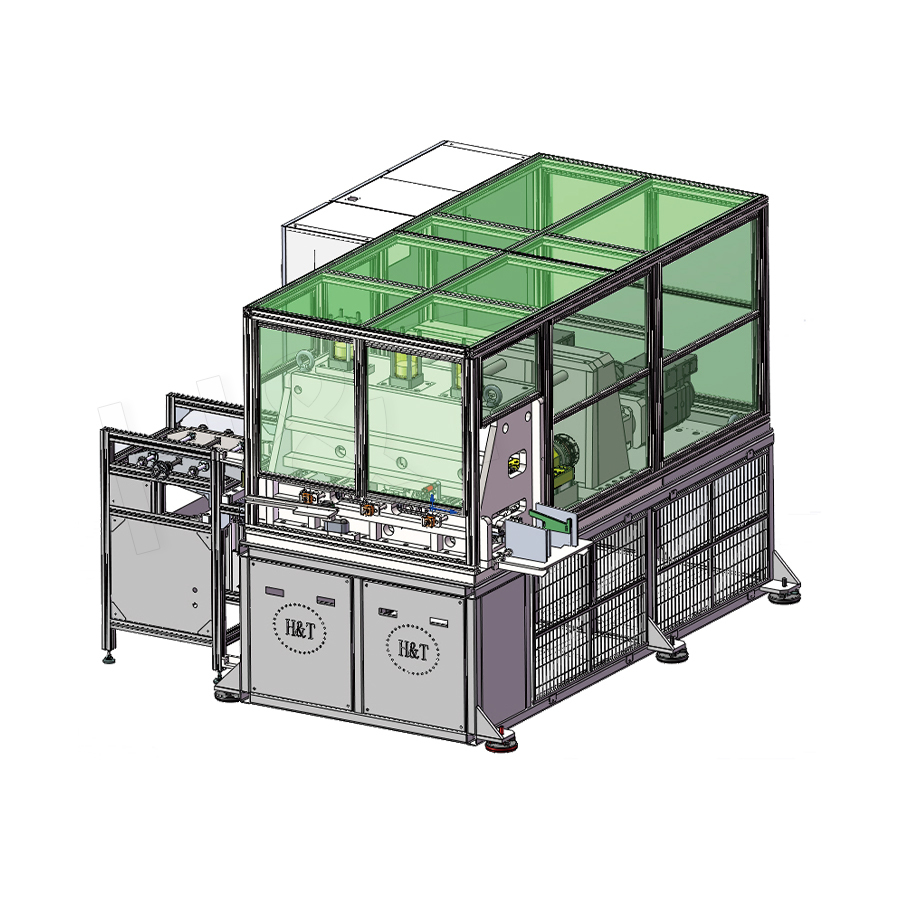
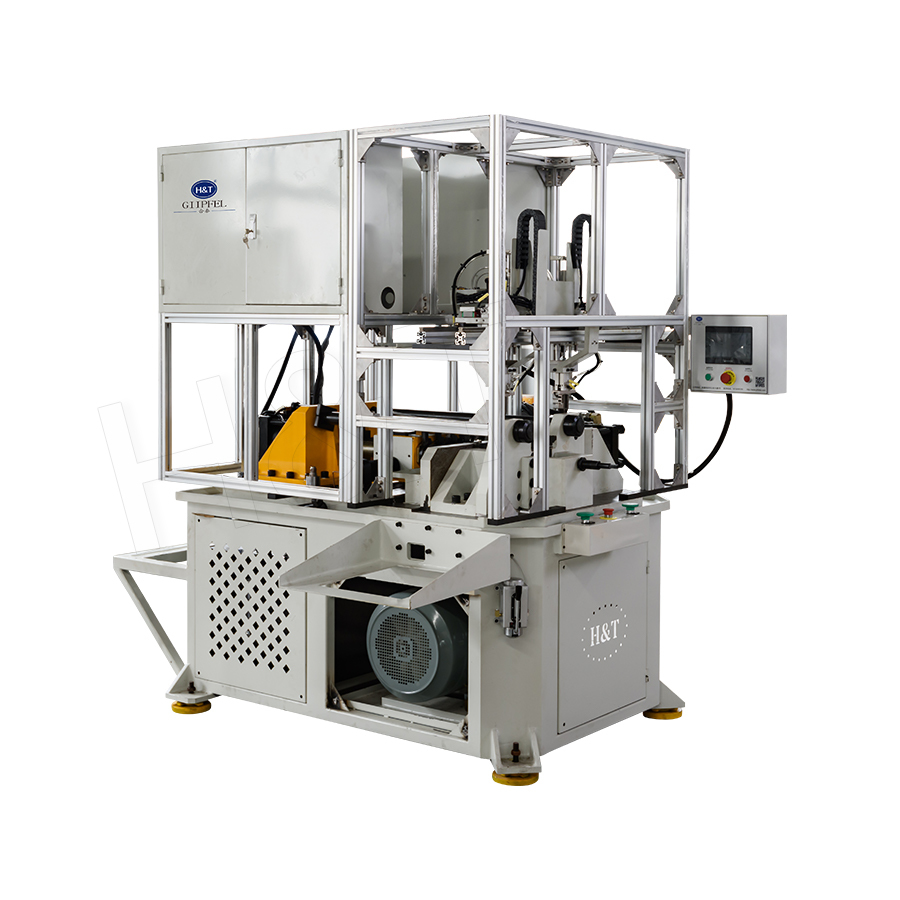
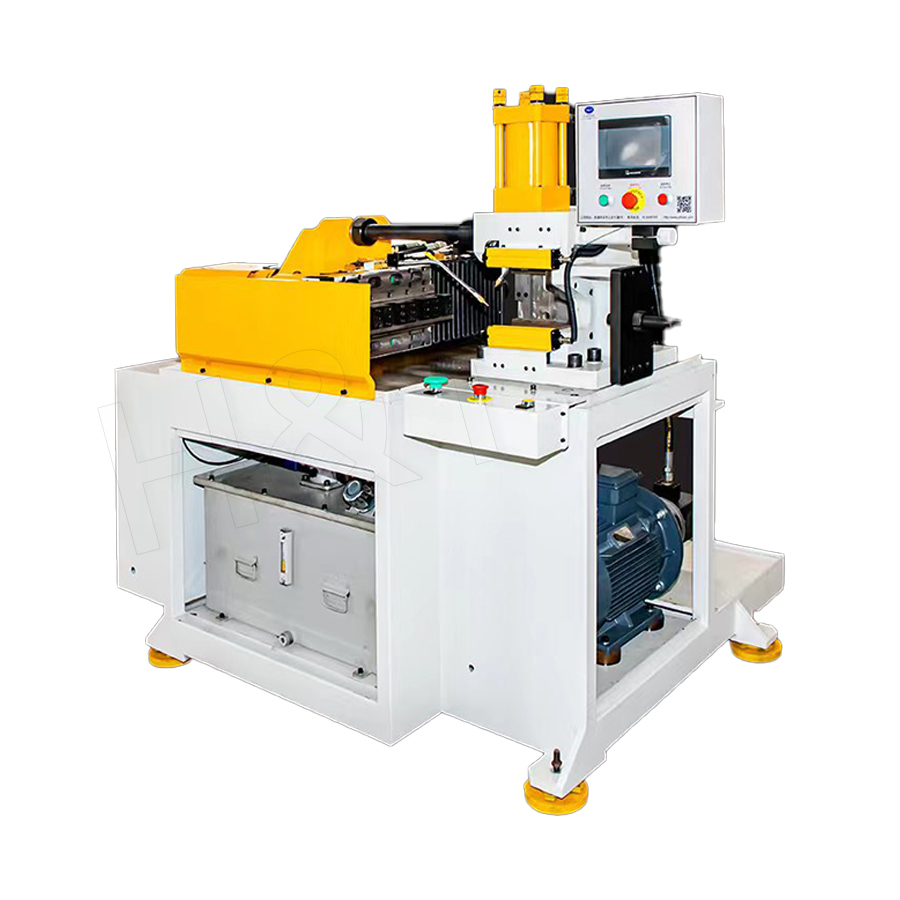
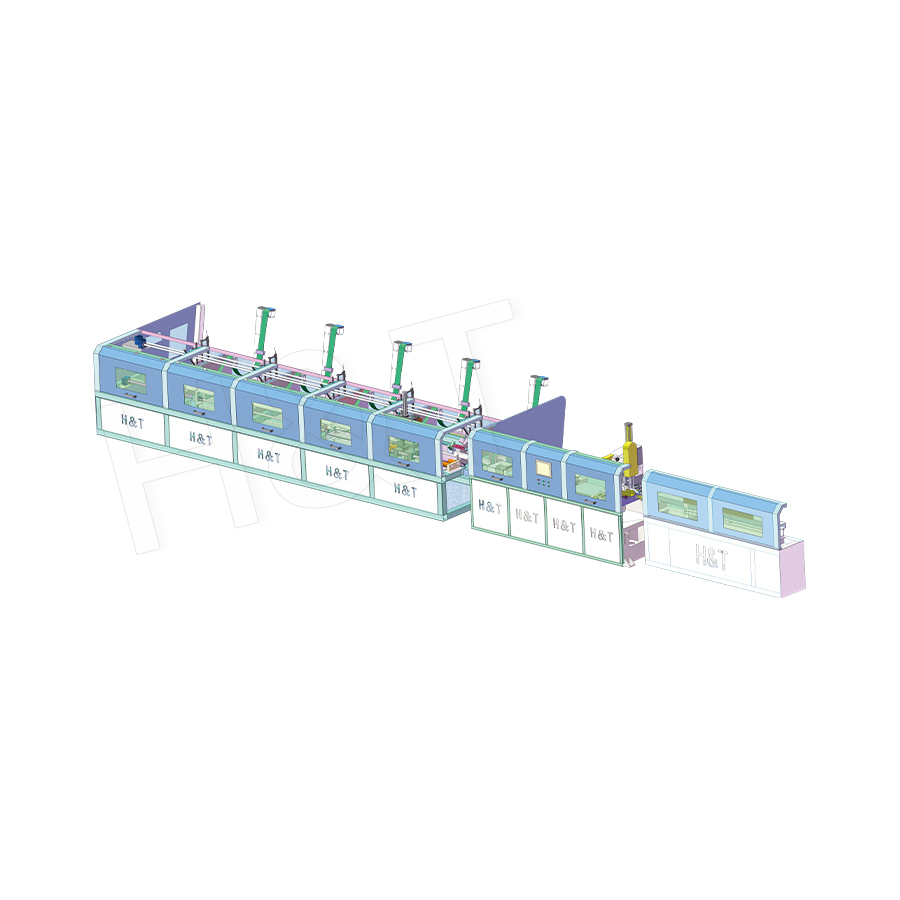
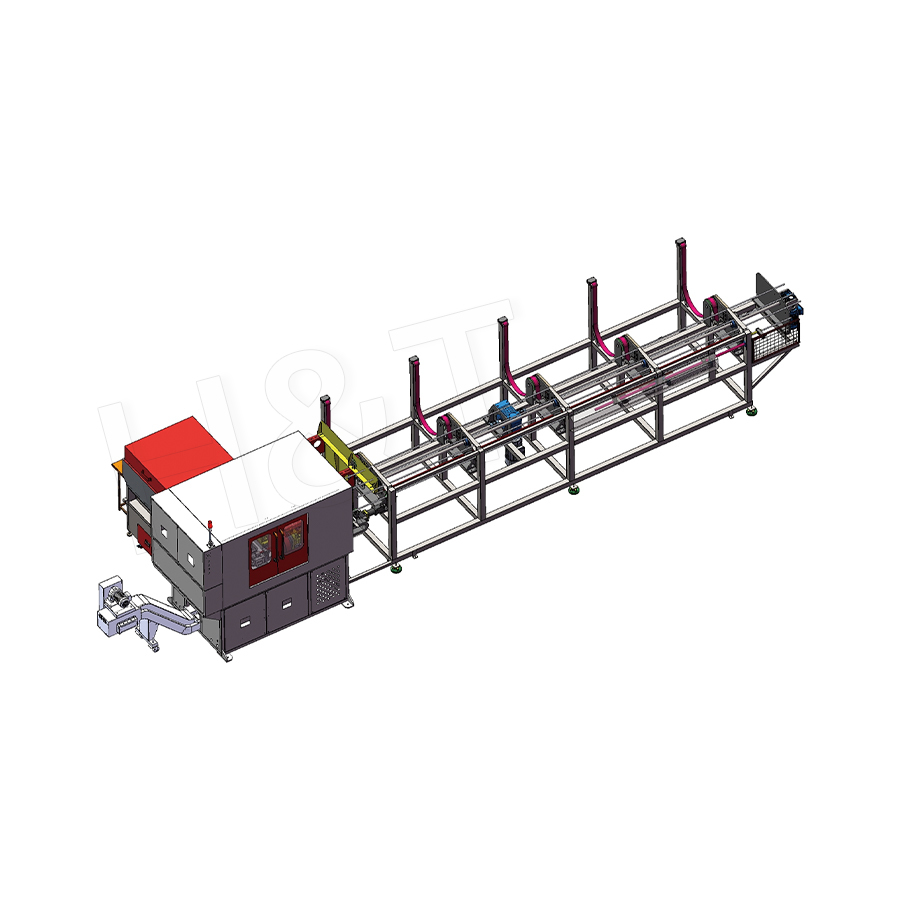
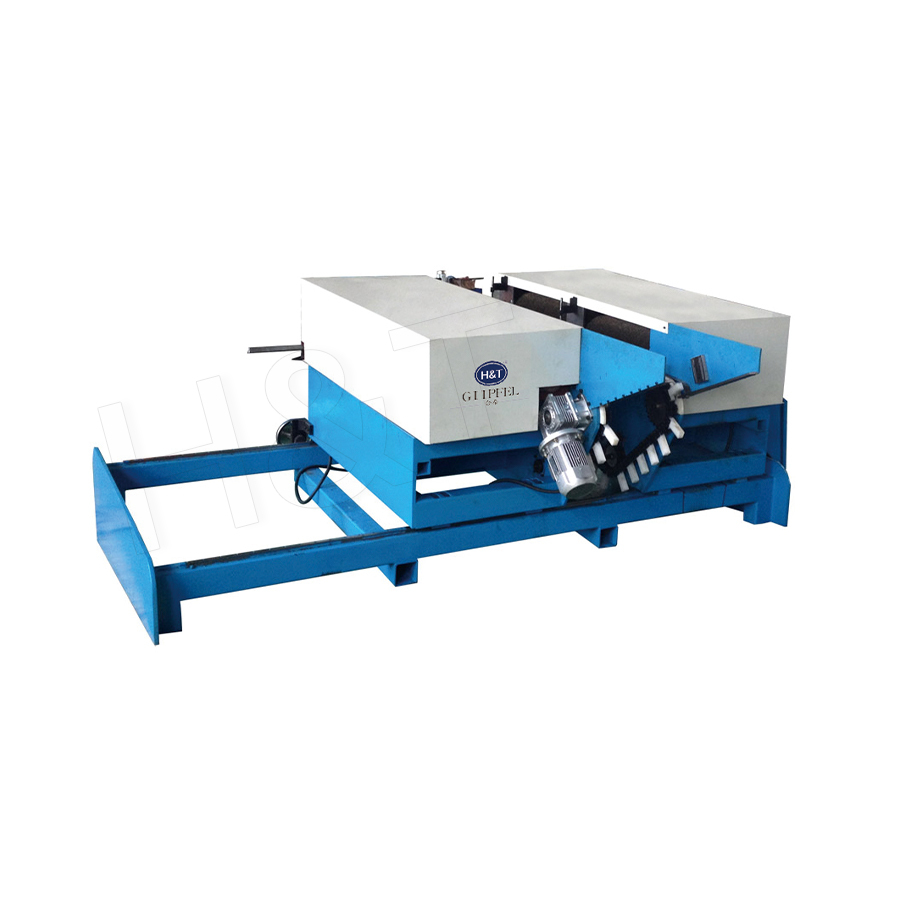
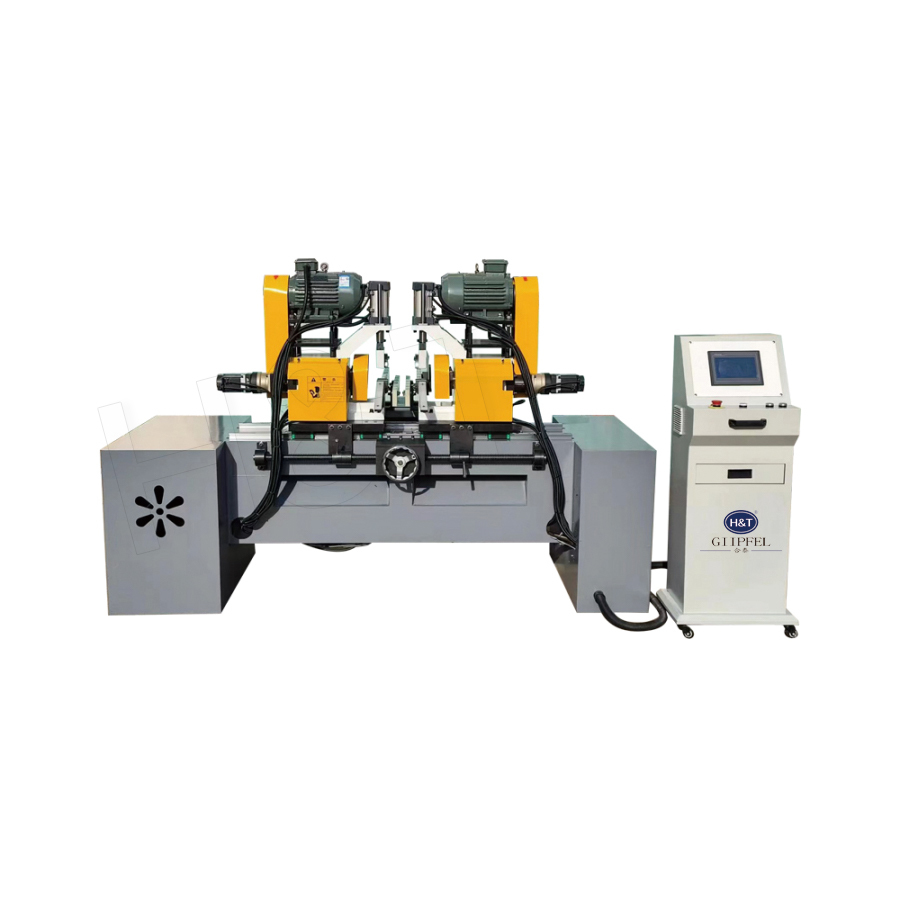
Tube processing machinery refers to a broad category of industrial equipment used to cut, bend, form, chamfer, end-finish, and automate the handling of metal tubes, pipes, and profiles from raw material to finished component. It is the backbone of precision tube fabrication across the automotive, aerospace, HVAC, medical device, construction, and energy industries, where tube components must meet tight dimensional tolerances, surface quality standards, and high production volume requirements simultaneously.
Modern tube processing machinery integrates CNC control, servo drive systems, and in-line automation to replace manual or semi-manual operations with repeatable, high-speed processes that reduce labor input, material waste, and per-part cost. A complete tube processing line can take coiled or straight raw tube and deliver finished, inspected components ready for welding or assembly — all within a single integrated workflow.
Five Core Categories of Tube Processing Machinery
Tube processing machinery is organized into specialized categories, each addressing a distinct phase of the tube fabrication workflow:
Pipe and Profile Forming Series
This series covers machines that shape flat strip or skelp into round, square, rectangular, or custom-profile tubes through a continuous roll-forming process. Tube mills in this category produce welded tube at speeds of 20–120 meters per minute depending on material and wall thickness, making them the highest-throughput equipment in the tube production chain. They are used to manufacture the raw tube that all downstream processing machinery then works with.
Production Line Automation Series
Automation series equipment connects individual processing machines into integrated production lines, handling material feeding, transfer, orientation, buffering, and output without manual intervention between stations. This category includes automatic tube feeding systems, robotic transfer units, bundle loaders, and conveyor integration systems. Well-designed automation can increase line throughput by 40–70% and reduce direct labor requirements by 60–80% compared to manually tended individual machines.
Tube Cutting and Chamfering Series
This series includes circular metal saws (semi-automatic and fully automatic), cold saws, and integrated cutting-chamfering lines that cut tubes to precise lengths and simultaneously prepare the end faces for welding, threading, or assembly. Cutting accuracy of ±0.05 mm and chamfering to standard weld prep geometries (such as 37.5° bevel per ASME B16.25) are standard capabilities of this series.
Tube End Forming Series
End forming machines expand, reduce, flare, bead, or swage tube ends into specific geometries required for push-fit connections, compression fittings, hydraulic couplings, and structural joints. Single-stroke hydraulic end formers can complete a forming operation in under 3 seconds per tube end, enabling high-volume production of automotive fluid line components and HVAC connections.
Precision Tube Fittings Manufacture
This specialized category covers machinery dedicated to the manufacture of precision fittings — elbows, tees, reducers, couplings, and nipples — that connect tube sections in fluid, gas, and structural systems. These machines combine cold forming, deep drawing, thread rolling, and inspection capabilities to produce fittings that meet dimensional standards such as ISO 4200, ASME B16.9, and DIN 2605.
Key Advantages of Modern CNC Tube Processing Machinery
| Advantage | Practical Benefit | Typical Performance Gain |
|---|---|---|
| CNC servo control | Repeatable precision across full production run | Dimensional repeatability ±0.05–0.1 mm |
| Program storage and recall | Fast changeover between part types | Changeover in 5–15 minutes vs. hours manually |
| In-line automation | Continuous unmanned production | 60–80% reduction in direct labor |
| Integrated cutting and forming | Fewer handling steps, less inter-process damage | 20–40% reduction in WIP inventory |
| Heat and vibration management | Prevents thermal deformation of cut surfaces | Burr-free cuts, extended tooling life |
How a Typical Tube Processing Line Operates
A complete tube processing workflow integrates multiple machine categories in sequence:
- Raw material input: Straight tubes or coils are loaded into the line via bundle feeders or decoilers; the automation system separates and orients individual tubes for downstream processing.
- Cutting to length: Tubes pass through the cutting series — an automatic circular saw or cold saw — where they are cut to programmed lengths with ±0.05 mm accuracy and simultaneously chamfered on one or both ends.
- End forming: Cut tubes are transferred to end forming machines where tube ends are expanded, reduced, flared, or beaded according to the fitting geometry required for the final assembly.
- Bending (if required): For components requiring curved geometry — exhaust pipes, hydraulic lines, HVAC connections — tubes pass through CNC single or double-head bending machines that execute programmed 3D bending paths. The global market for this equipment has grown significantly, with CNC tube bending machines from China now widely adopted by manufacturers across Europe, North America, and Southeast Asia for their combination of precision, reliability, and competitive pricing.
- Inspection and output: Finished components pass through dimensional verification (laser measurement or go/no-go gauging) and are collected, counted, and packaged for delivery or transfer to the welding or assembly station.
Industries That Depend on Tube Processing Machinery
- Automotive manufacturing: Exhaust systems, fuel and brake lines, chassis structural tubes, air conditioning connections, and roll cage components all require high-volume, precision tube processing — a single vehicle platform may require 150–300 individual tube components
- HVAC and refrigeration: Copper and aluminum tube bending, flaring, and fitting assembly for air conditioning and heat exchanger coils; volume requirements in this sector often exceed millions of tube components per year at a single plant
- Aerospace: Titanium and high-alloy steel hydraulic tubing, fuel system lines, and structural profiles requiring the highest precision and full material traceability
- Medical devices: Stainless steel and titanium tubing for surgical instruments, endoscopy equipment, and implant delivery systems requiring extremely fine tolerances and clean-room compatible processing
- Energy and oil & gas: Process piping, instrumentation tubing, and subsea hydraulic line spools requiring large-diameter capability and specialized alloy compatibility
- Furniture and construction: Structural hollow sections, handrail systems, and architectural tube profiles cut, mitered, and end-formed for direct assembly
Selecting the Right Tube Processing Machinery: Key Criteria
Tube Material and Diameter Range
Every tube processing machine is rated for a specific material type and outer diameter range. Carbon steel, stainless steel, aluminum, copper, and titanium all have different hardness, ductility, and springback characteristics that determine the required machine force, tooling specification, and process parameters. Confirm that any machine under consideration covers the full diameter and wall thickness range of your current and near-term planned production before purchase.
Production Volume and Cycle Time Requirements
Match the machine's cycle time capability to your required daily output. For example, a double-head chamfering machine processing both tube ends simultaneously in 5–8 seconds per part produces 400–700 parts per hour — suitable for annual volumes of several million parts per year. For lower volumes with frequent product changeovers, a single-head machine with faster, simpler setup may deliver better overall productivity despite lower peak throughput.
Automation Level and Integration Requirements
Consider not just the machine itself but its connectivity with upstream and downstream equipment. CNC tube processing machines should support standard industrial communication protocols (e.g., Ethernet/IP, PROFINET, or OPC-UA) for integration with factory MES systems and robotic handling. Machines that cannot communicate with adjacent equipment require manual transfer steps that become bottlenecks in otherwise automated lines.
For buyers evaluating sourcing options, the CNC tube bending machine sector in China has matured considerably over the past decade. Leading Chinese manufacturers now produce machines that meet or exceed international accuracy and reliability benchmarks, offer full English-language HMI and documentation, and provide global after-sales support — making them a practical choice for procurement teams seeking capable equipment at 30–50% lower capital cost than equivalent Western-made machines.
Tooling Cost and Changeover Flexibility
For production environments with a wide product mix, tooling changeover cost and time are as important as machine unit cost. Quick-change tooling systems, standardized tooling interfaces, and large onboard program libraries minimize the effective cost per part number in mixed-production environments.
Frequently Asked Questions About Tube Processing Machinery
What is the difference between NC and CNC tube processing machines?
NC (Numerical Control) machines use open-loop control where commands are issued to drive axes without real-time position feedback verification. CNC (Computer Numerical Control) machines use closed-loop servo control that continuously compares commanded positions against actual encoder feedback and corrects deviations in real time. In practice, CNC machines deliver tighter tolerances, better springback compensation, 3D path simulation capability, and data logging for quality traceability — making them the standard for precision tube fabrication.
Can one production line handle multiple tube diameters and materials?
Yes, with appropriate tooling sets. Most CNC tube processing machines are designed with adjustable fixtures, interchangeable tooling, and programmable parameters that allow a range of tube diameters and materials to be processed on the same machine. The key requirement is that all products within the intended range fall within the machine's rated capacity for OD, wall thickness, and material hardness. Changeover between tube sizes typically takes 15–45 minutes for a skilled operator on a well-designed CNC machine.
How important is coolant management in tube cutting operations?
Coolant management is critical for both cut quality and tooling life. Cutting without adequate coolant generates heat that hardens or oxidizes the cut surface, produces burrs that require additional deburring operations, and dramatically reduces saw blade life — often by a factor of 3–5× compared to properly cooled cutting. Modern automatic circular saws use oil mist or water-soluble coolant systems with automatic concentration monitoring to maintain optimal cutting conditions throughout the production run.
What maintenance is critical for keeping tube processing machinery accurate over time?
The most important maintenance tasks across all tube processing machine categories are: regular lubrication of guide rails and drive mechanisms (preventing positioning drift), hydraulic fluid quality monitoring (fluid contamination is the primary cause of hydraulic system failures in bending and end forming machines), tooling inspection before each production run (worn tooling produces out-of-tolerance parts that may not be detected until downstream assembly), and periodic geometric calibration using precision measurement equipment to verify that machine axes remain within specification.
The Future Direction of Tube Processing Machinery
The tube processing machinery industry is evolving rapidly in three directions that will define equipment capability over the next decade:
- Full lights-out automation: Integration of collaborative robots (cobots) for tube loading and unloading, combined with vision-guided quality inspection systems, is enabling fully unmanned overnight production runs — a capability already deployed in leading automotive tube fabrication facilities
- Digital twin and process simulation: Before a new tube component is committed to physical production, digital twin software simulates the complete forming and bending sequence to verify that the component is manufacturable, identify potential collision zones, and optimize the axis motion sequence for minimum cycle time
- IoT-enabled predictive maintenance: Sensors on key machine components (hydraulic pressure, motor current, vibration, temperature) feed real-time data to cloud analytics platforms that identify developing faults before they cause unplanned downtime — shifting maintenance from reactive to predictive and reducing unplanned stoppages by up to 30–50% in early adopter facilities