


 简体中文
简体中文 English
 日本語
日本語 한국어
한국어 Español
 русский


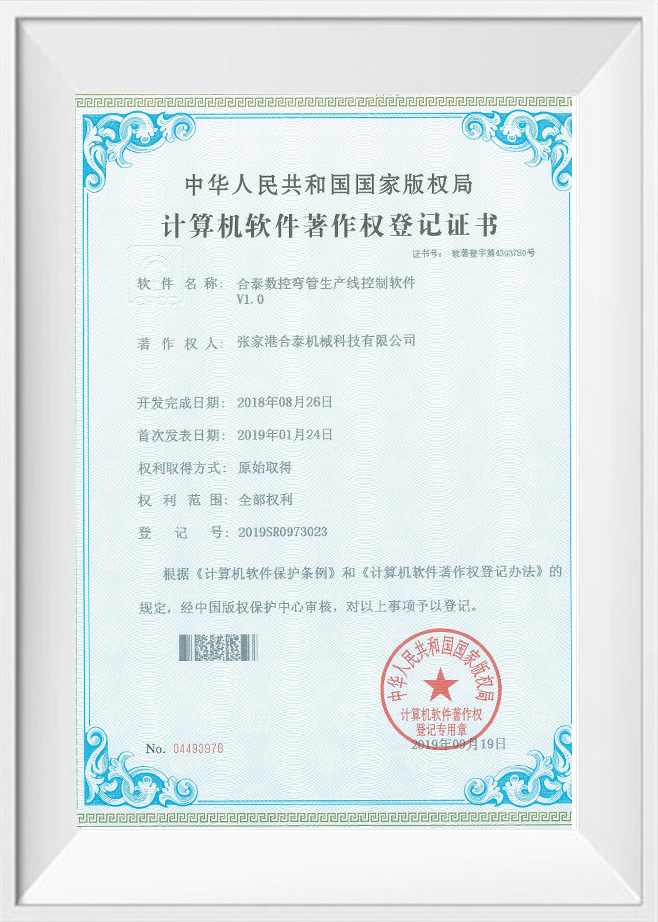
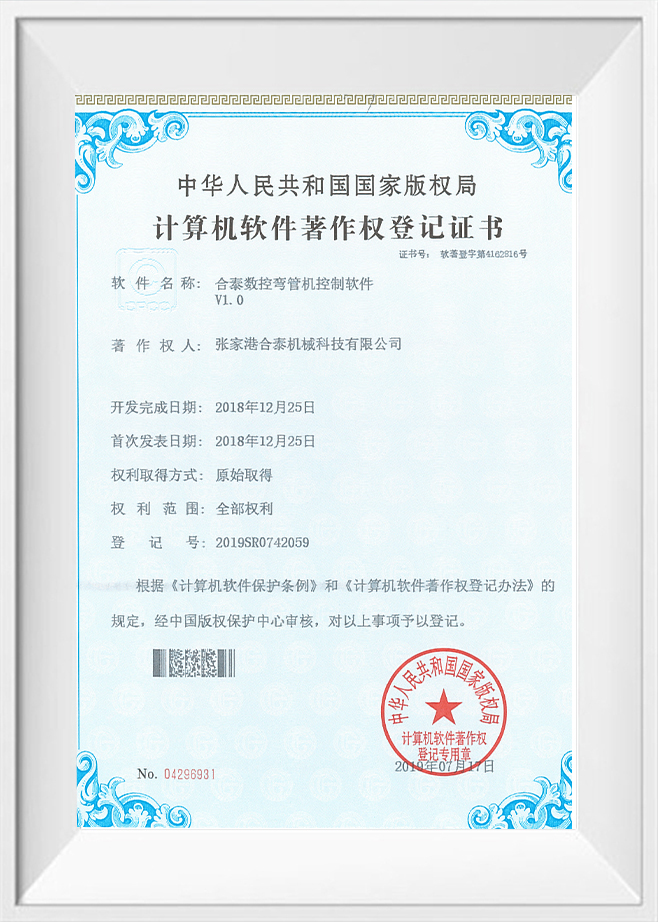
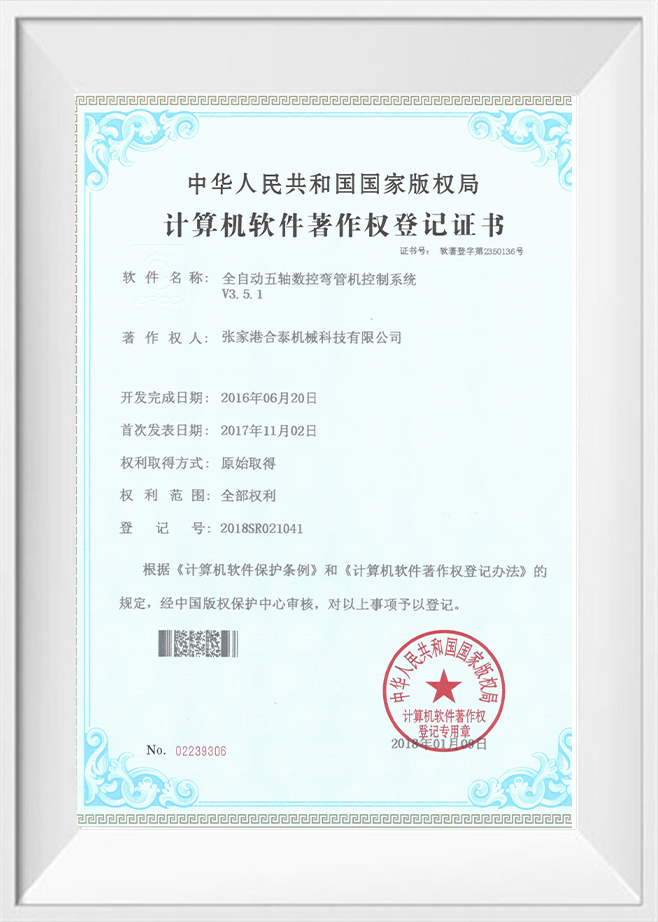
The Production Line Automation Series refers to an integrated system of automated equipment designed to replace or significantly augment manual labor across one or more stages of a manufacturing process. This encompasses everything from single-station semi-automatic cells to fully continuous smart production lines, all unified by the goal of improving throughput, quality consistency, and operational efficiency.
Unlike standard modular automation built around fixed specifications, modern production line automation—especially non-standard or custom systems—is tailored to a company's specific product geometry, process flow, and facility constraints. Studies across discrete manufacturing sectors indicate that well-implemented automation lines can reduce per-unit labor costs by 40–70% and cut defect rates by 50–80% compared to equivalent manual operations.
Core Working Principles of an Automated Production Line
An automated production line operates by coordinating multiple functional modules through a central control architecture. Each module performs a specific process step, and the control system manages material flow, timing, and feedback between modules to ensure continuous, synchronized operation.
Typical Functional Modules
- Feeding and loading: Vibratory bowl feeders, servo-driven belt conveyors, or robotic pick-and-place units supply workpieces to the first process station at a controlled rate.
- Processing stations: Dedicated stations perform operations such as forming, welding, pressing, threading, drilling, or coating, each executed by purpose-built tooling or robotic end-effectors.
- In-process inspection: Machine vision systems, laser sensors, or CMM probes check dimensional and quality parameters at each critical stage, enabling real-time rejection of non-conforming parts before they advance downstream.
- Transfer and handling: Rotary indexing tables, linear shuttles, or six-axis robots transfer workpieces between stations with positioning repeatability typically better than ±0.05 mm.
- Discharge and packaging: Finished parts are sorted, oriented, counted, and deposited into trays, bins, or packaging units, with defective parts automatically diverted.
Control Architecture
Most production line automation systems use a hierarchical control structure: a master PLC or industrial PC coordinates the overall production sequence, while subordinate servo drives, pneumatic valves, and vision controllers handle station-level execution. Communication is typically via EtherCAT, PROFINET, or EtherNet/IP fieldbus, achieving inter-station synchronization latency of under 1 millisecond.
Key Advantages of Implementing Production Line Automation
| Advantage | Typical Improvement | Example |
|---|---|---|
| Output Throughput | 3–10× manual rate | Connector assembly: 1,200 pcs/hr vs. 150 pcs/hr manual |
| Defect Rate | Reduced by 50–80% | Screw torque process: Cpk from 0.8 to 1.67+ |
| Labor Cost per Unit | Reduced 40–70% | 8-person line replaced by 2-operator automated cell |
| OEE (Overall Equipment Effectiveness) | 65–85% achievable | With predictive maintenance integration |
| ROI Payback Period | 18–36 months typical | Varies by labor rate, volume, and complexity |
Types of Production Line Automation
Fixed (Hard) Automation Lines
Designed for high-volume, single-product production (e.g., automotive engine blocks, beverage cans). Equipment is optimized for maximum throughput with minimal flexibility. Cycle times can be as short as 2–5 seconds per unit, but retooling for product changes is expensive and time-consuming.
Flexible (Soft) Automation Lines
Uses CNC machining centers, programmable robots, and reconfigurable fixtures to handle multiple product variants on the same line. A mixed-model automotive assembly line is a classic example, where vehicles with different options flow through the same stations. Product changeover is achieved through program recall, typically within 5–30 minutes.
Non-Standard Custom Automation Lines
Engineered from scratch based on a customer's specific product samples, process requirements, and factory layout. These systems integrate mechanical, pneumatic, electronic control, and sensor technologies into a cohesive solution. They are especially prevalent in electronics, medical devices, and aerospace, where product variety is high, batch sizes are small, and processes may involve sterile environments or submillimeter tolerances.
Collaborative Robot (Cobot) Cells
Cobots operate alongside human workers, taking over repetitive or ergonomically stressful tasks while humans handle judgment-intensive steps. With payload capacities of 3–20 kg and built-in force/torque sensing for safe human interaction, cobots offer a lower entry cost than full automation—typical cell investment is $30,000–$120,000—making them accessible to small and medium manufacturers.
Smart Features That Define Modern Automation Lines
The gap between a conventional automated line and a smart manufacturing line lies in the intelligence layer built on top of the mechanical and control systems:
- Machine vision and AI inspection: Deep-learning-based vision systems can classify defects (surface scratches, dimensional deviations, missing features) with accuracy exceeding 99.5% at production speeds, replacing slow and inconsistent manual visual inspection.
- Predictive maintenance (PdM): Vibration sensors, current monitors, and thermal cameras on critical drives feed data to analytics platforms that predict bearing or tooling failure days in advance, reducing unplanned downtime by 30–50%.
- Digital twin integration: A virtual model of the production line runs in parallel with the physical system, allowing engineers to simulate production scheduling changes, detect bottlenecks, and validate process modifications without stopping the line.
- MES and ERP connectivity: Real-time production data (cycle time, yield, OEE, energy consumption) is streamed to enterprise systems, providing full traceability from raw material lot to finished product shipment.
- Adaptive process control: Sensor feedback loops automatically adjust process parameters (e.g., welding current, press force, curing temperature) within the same production run to compensate for material variation.
Industry Applications and Representative Cases
Electronics and Consumer Devices
PCB assembly lines combine SMT (surface mount technology) placement machines, reflow ovens, and AOI (automated optical inspection) stations into a continuous flow capable of placing 50,000–150,000 components per hour. Changeover between product models is achieved through offline program preparation and rapid fixture exchange.
Automotive Components
Automated welding lines for body-in-white (BIW) structures use multiple robotic welding cells synchronized to a takt time of 60–90 seconds per vehicle body. Integrated CMM stations verify dimensional accuracy of the entire body structure before it advances to the paint shop.
Medical Device Manufacturing
Clean-room-compatible automation lines assemble disposable medical devices (syringes, catheters, IV sets) at rates of 300–1,000 units per minute while maintaining 100% in-process inspection for critical dimensions and seal integrity. All process data is automatically recorded for regulatory compliance and traceability.
Pipe and Tube Processing
Automated lines for cutting, chamfering, bending, and end-forming of metal tubes integrate multiple process steps into a single flow, eliminating inter-station manual handling. Such lines can process 500–2,000 tube assemblies per shift with dimensional repeatability sufficient for high-pressure hydraulic applications.
Planning and Implementing a Production Line Automation Project
Successful automation projects follow a structured development process. Skipping early-stage analysis is the most common cause of cost overruns and performance shortfalls:
- Process analysis: Document the current process in detail—cycle times, defect types, material flow, operator motions, and quality checkpoints. Identify which steps have the greatest automation ROI potential.
- Requirements definition: Specify target cycle time, product variants, tolerance requirements, footprint constraints, and integration requirements with existing systems. These become the contractual basis for equipment procurement.
- Concept design and simulation: Develop a layout concept and simulate production flow using discrete-event simulation software to validate throughput and identify bottlenecks before committing to hardware.
- Detailed engineering and build: Mechanical design, control software development, and component procurement occur in parallel. Factory acceptance testing (FAT) at the supplier verifies all specifications before shipment.
- Installation and commissioning: Site acceptance testing (SAT) verifies performance under actual production conditions. Operator training is conducted concurrently with commissioning to minimize transition time.
- Continuous improvement: Post-launch OEE monitoring, predictive maintenance program rollout, and periodic kaizen events sustain and improve line performance over its operational life.
Frequently Asked Questions About Production Line Automation
Is automation economically viable for small-batch production?
Yes, with the right approach. Flexible automation and cobot cells are specifically designed for small-to-medium batch sizes. The key is minimizing changeover cost through reconfigurable tooling and software-driven setup. Economic viability typically requires a minimum annual volume of 50,000–100,000 parts for custom automation, though cobots can be justified at lower volumes when labor costs are high.
How do we handle product design changes after a line is installed?
Lines designed with modularity in mind can accommodate engineering changes more readily. Robotic cells can be reprogrammed; servo-driven fixtures can be adjusted; vision systems can be retrained with new inspection templates. The key is to communicate potential future product variants to the automation designer at the outset, so adequate flexibility is designed in from the start.
What is the typical staffing requirement for an automated line?
A well-designed automated line typically requires 1–3 operators per shift for monitoring, material replenishment, and exception handling, compared to 6–15 operators for the equivalent manual process. Additionally, 1 maintenance technician per 3–5 lines is recommended, with skills in PLC programming, servo systems, and pneumatics.
What are the most common causes of automation line underperformance?
The most frequent issues include: inadequate upstream material quality causing feeding jams; unrealistic cycle time targets set during specification; insufficient operator training; and lack of a structured preventive maintenance program. Addressing these proactively during project planning prevents the majority of post-launch performance gaps.