


 简体中文
简体中文 English
 日本語
日本語 한국어
한국어 Español
 русский


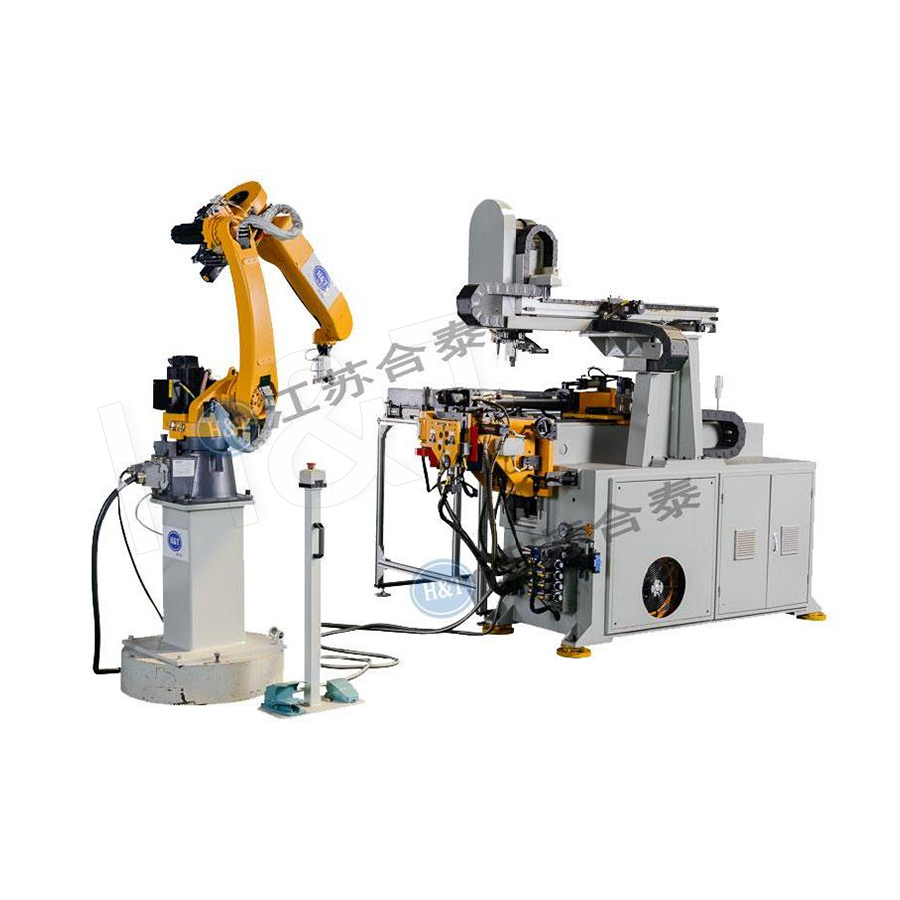
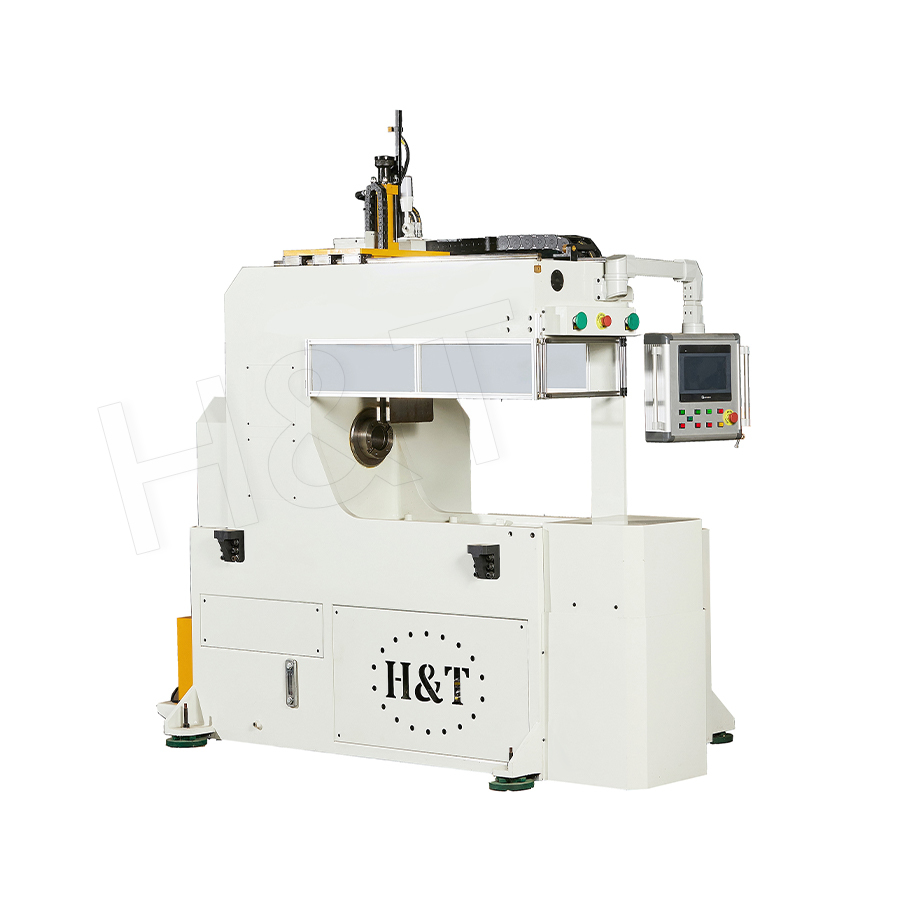
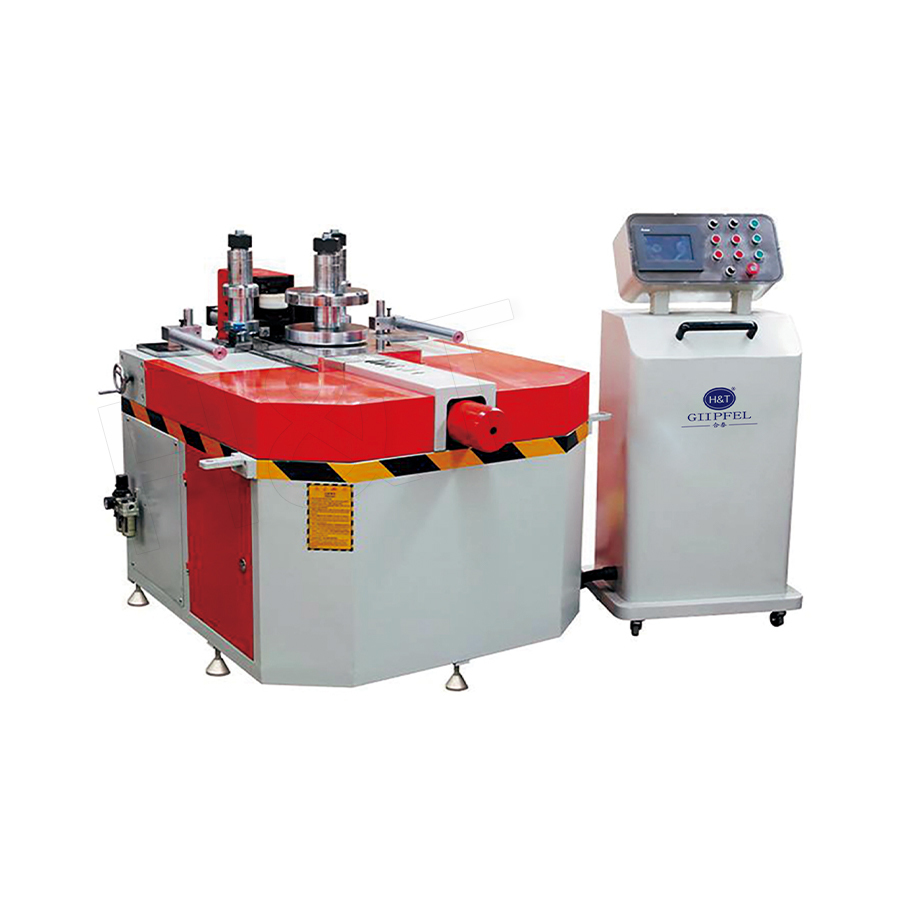
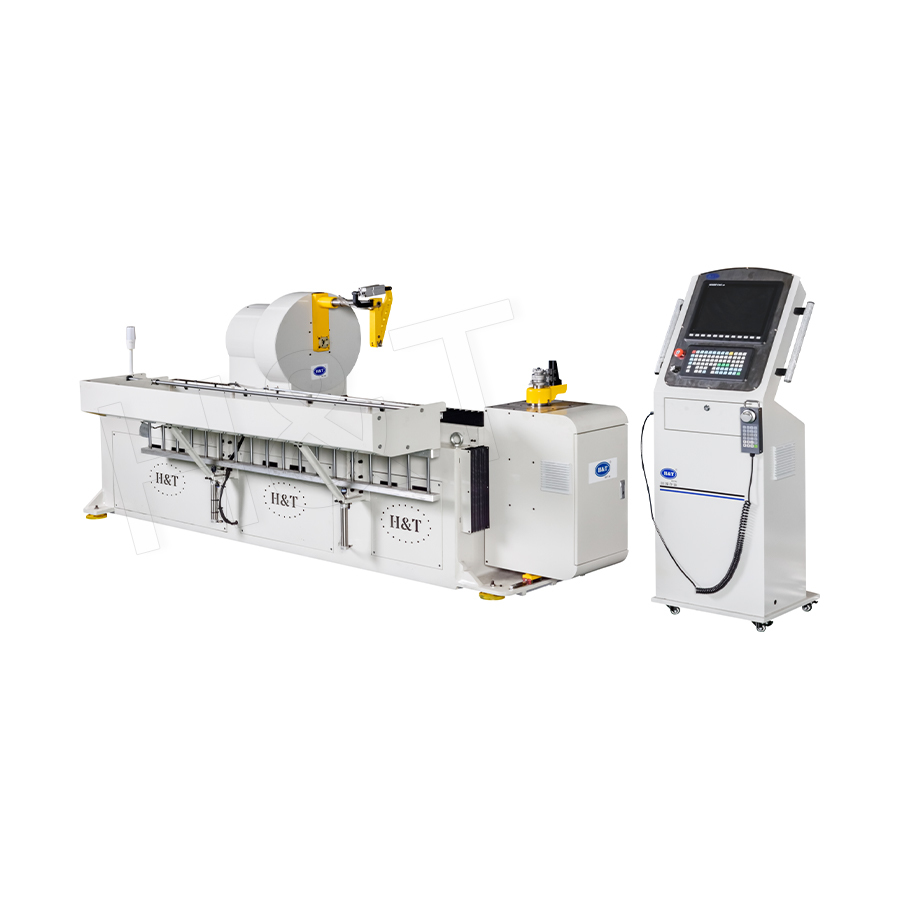
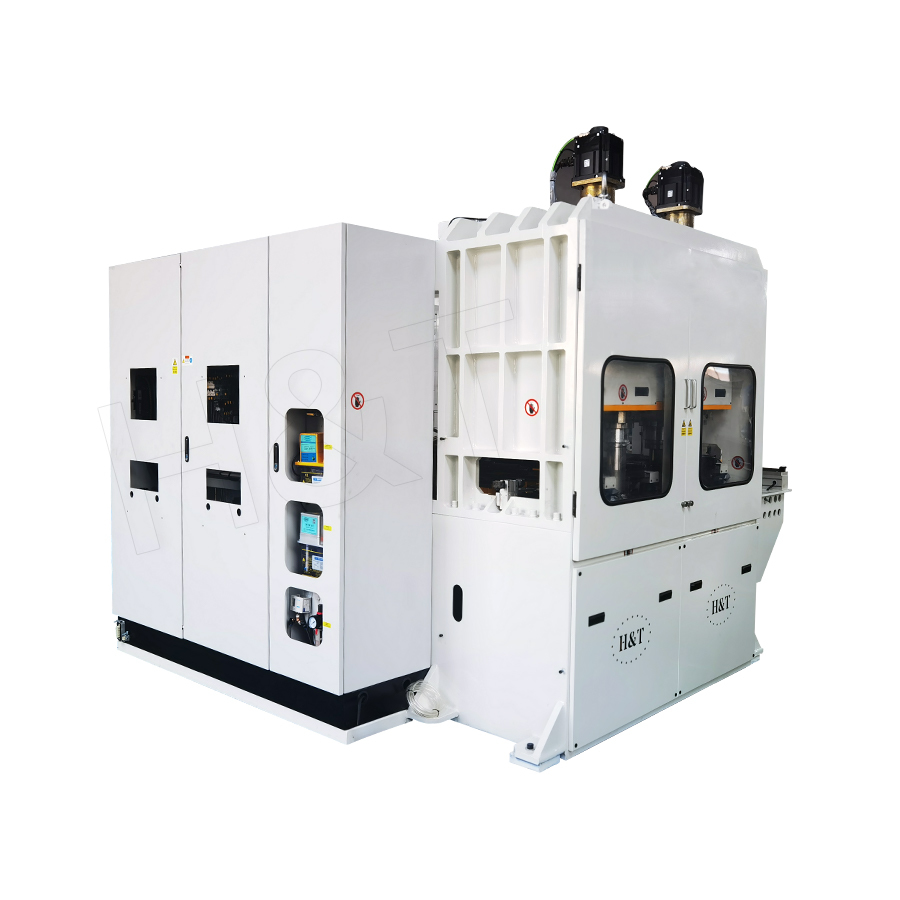
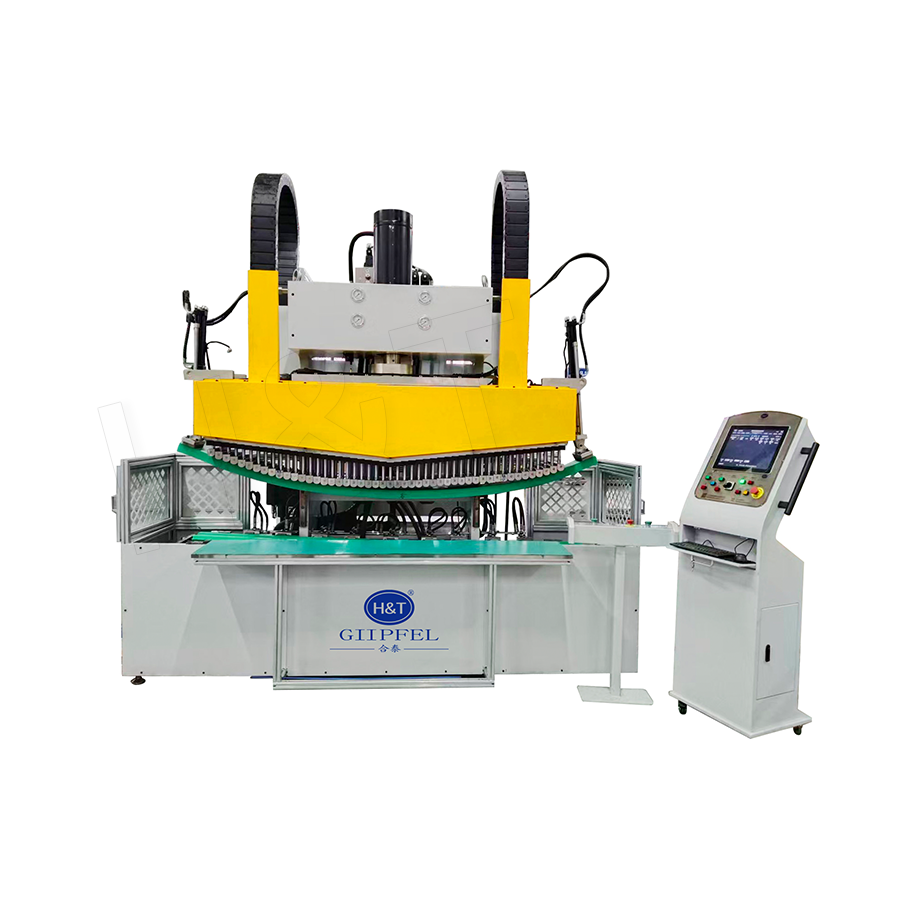
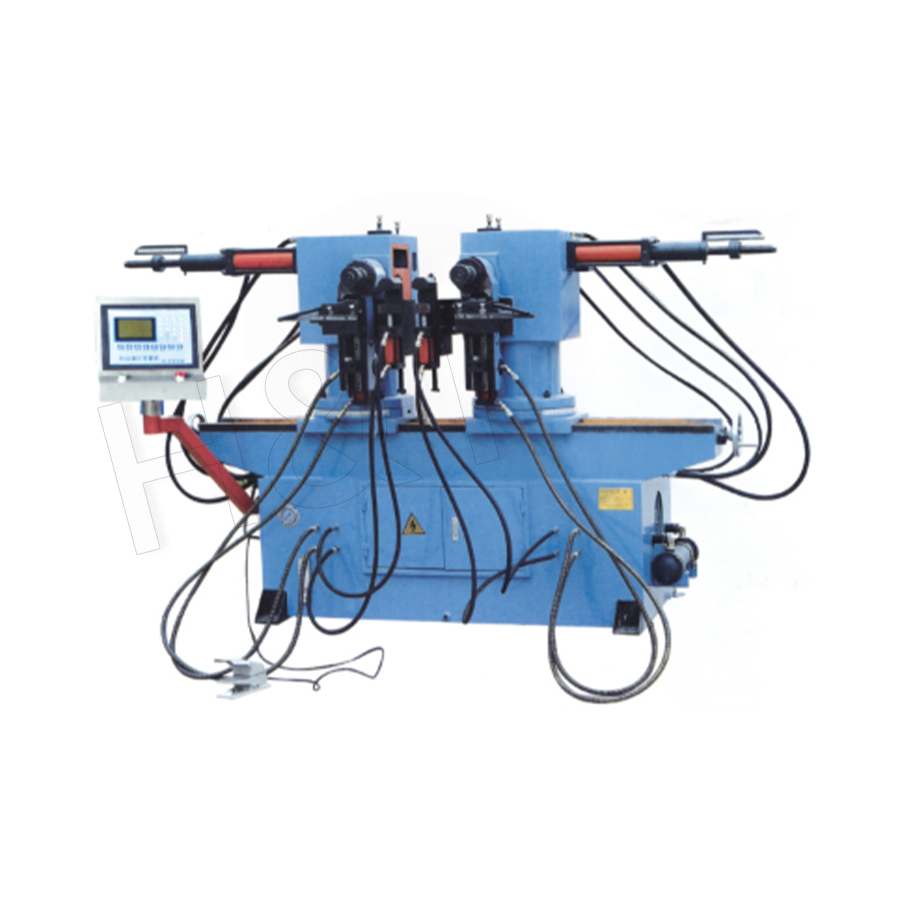
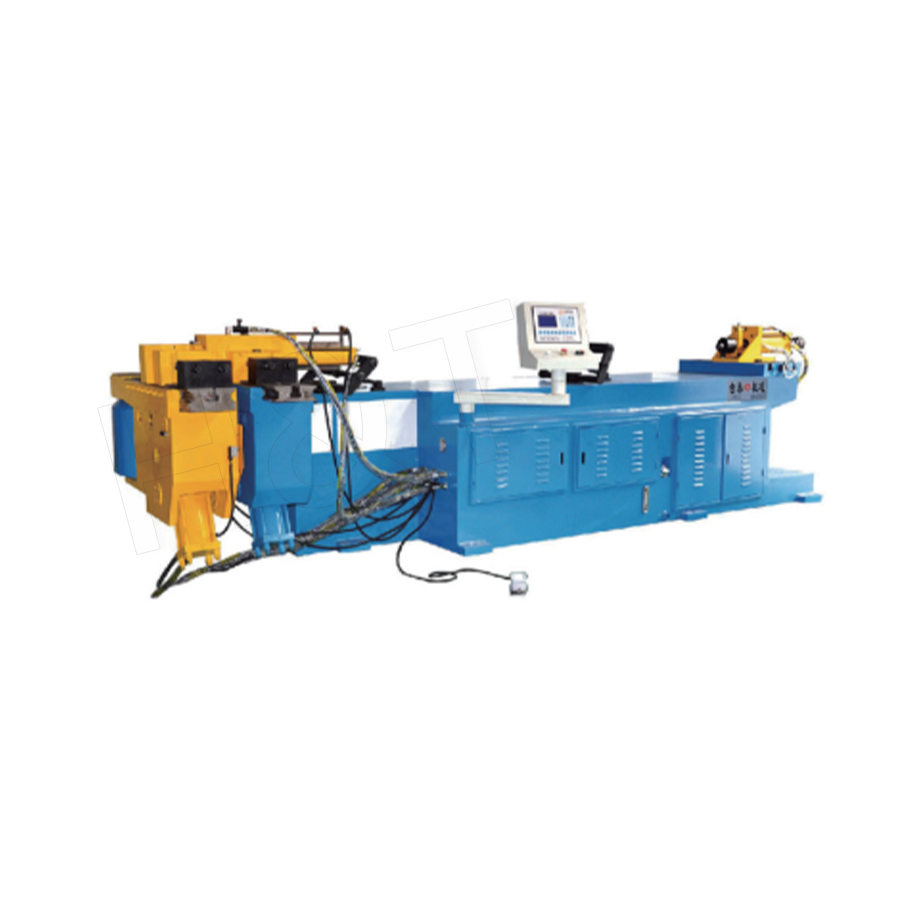
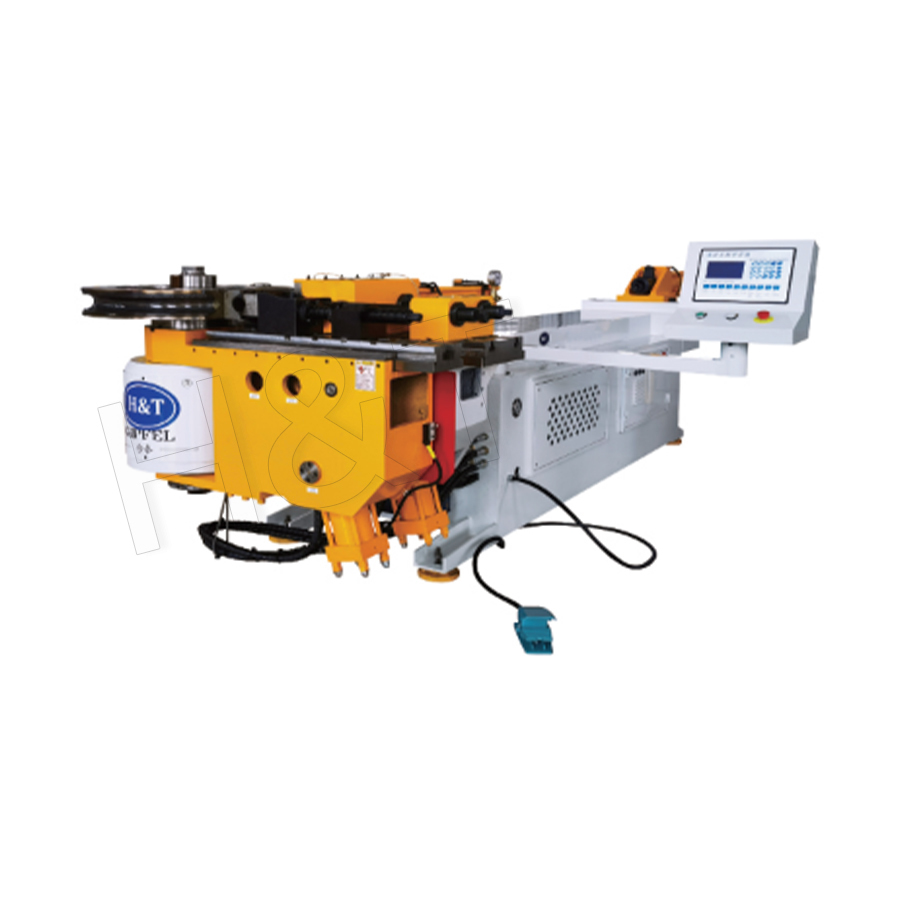
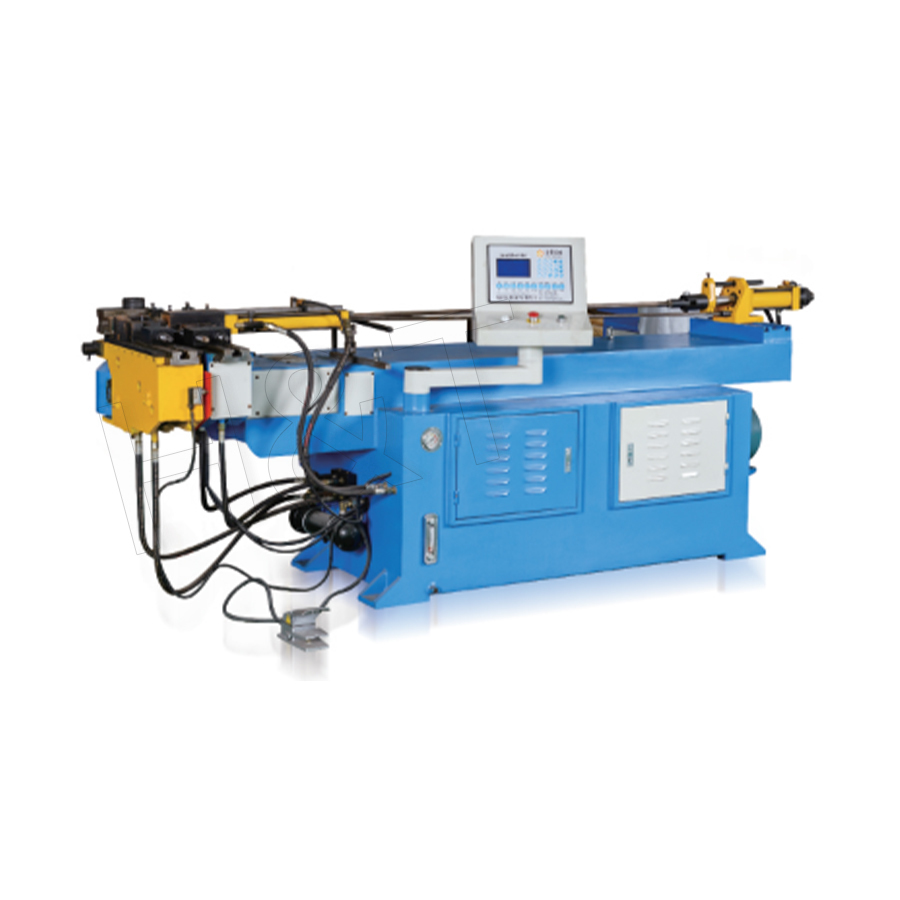
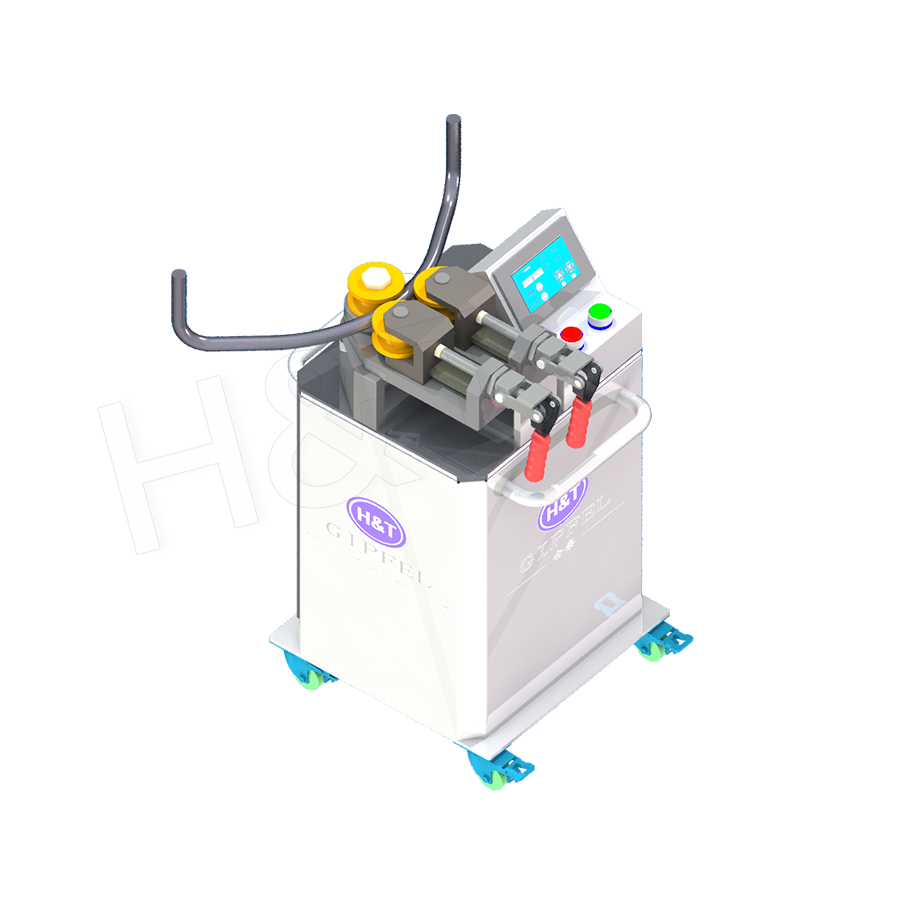
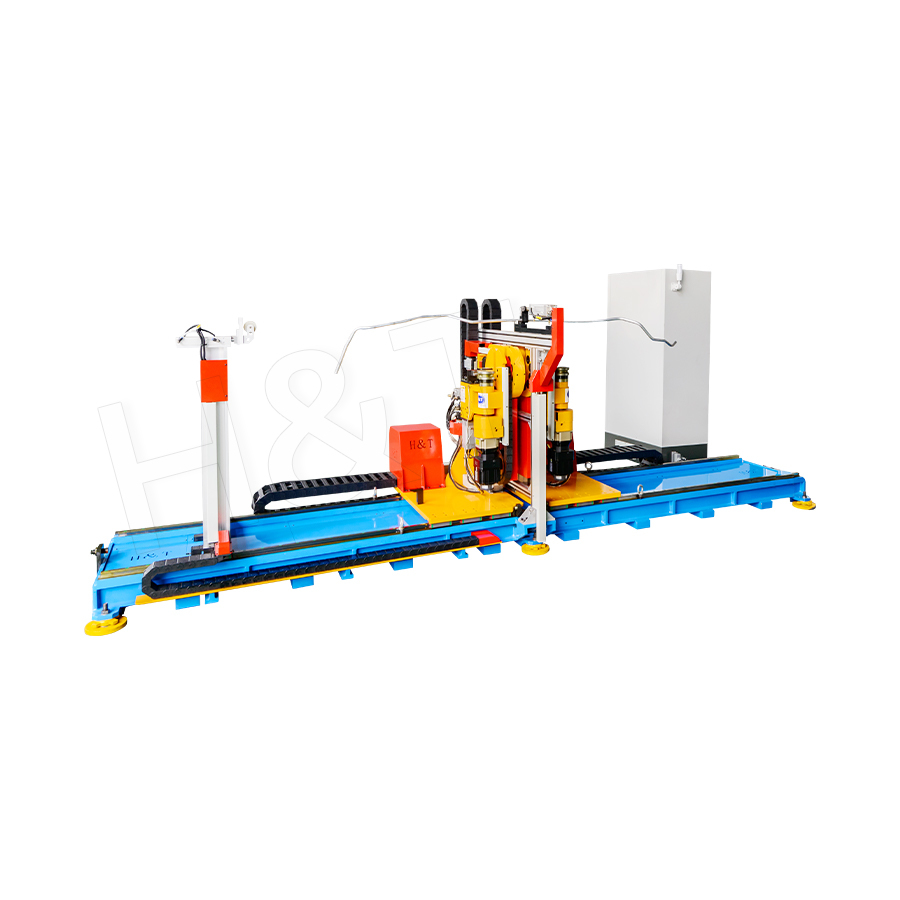
The Pipe and Profile Forming Series refers to a category of industrial machinery engineered to shape metal pipes, tubes, and profiles into specific cross-sectional geometries through continuous roll forming, bending, or extrusion processes. Unlike tube bending equipment—which focuses on directional curvature—pipe and profile forming machines transform flat strips or raw billets into finished cross-sections such as round tubes, square tubes, rectangular hollow sections, C-channels, Z-sections, Ω-profiles, and custom open or closed profiles.
These machines are foundational in sectors including construction steel structures, automotive body frames, HVAC ducting, solar mounting systems, shelving and racking, and furniture manufacturing. A modern forming line can process material at speeds of 10–120 meters per minute, dramatically outpacing traditional machining or press-brake forming for long-run production.
How the Forming Process Works
The core principle of roll forming is progressive plastic deformation: a flat metal strip is fed continuously through a series of paired roller stations, each of which incrementally bends the material closer to the target profile. By the time the strip exits the last roller pass, the desired cross-section is fully formed. For closed sections (e.g., round or square tubes), a high-frequency induction welding unit fuses the edges together immediately after the final forming pass.
Key Stages in a Forming Line
- Decoiling and Straightening: A hydraulic decoiler unwinds the steel coil, and a leveler removes residual coil set, ensuring the strip enters the forming section flat and tension-controlled.
- Pre-punching (optional): A servo-driven punching station pre-punches holes, slots, or notches before forming, maintaining dimensional accuracy across the flat blank.
- Progressive Roll Forming: Typically 8–24 roller stations (depending on profile complexity) each contribute a few degrees of bend angle, distributing strain gradually to prevent cracking or edge waviness.
- Welding and Sizing (for tubes): High-frequency induction welding (operating at 200–500 kHz) fuses tube edges. A sizing section applies final calibration to achieve tight outer-diameter tolerances of ±0.1 mm or better.
- Flying Cut-off: A servo-synchronized flying saw or shear cuts profiles to length while the line runs continuously, eliminating production stops and maintaining throughput.
- Discharge and Stacking: Automated run-out tables and bundling systems collect finished sections for downstream processing or shipping.
Key Advantages Over Alternative Forming Methods
Compared to press braking, extrusion, or manual fabrication, the Pipe and Profile Forming Series delivers measurable benefits across productivity, quality, and cost:
| Metric | Roll Forming Line | Press Brake | Manual Fabrication |
|---|---|---|---|
| Production Speed | 10–120 m/min | Limited by stroke cycles | Very slow |
| Dimensional Consistency | ±0.1–0.3 mm | ±0.3–1.0 mm | Variable |
| Material Utilization | >98% | 85–95% | 70–85% |
| Labor per Ton of Output | Low (1–2 operators) | Medium | High |
| Profile Complexity | High (closed + open) | Limited to open sections | Flexible but inconsistent |
Machine Types Within the Series
The Pipe and Profile Forming Series encompasses several distinct machine configurations, each suited to specific applications:
Tube Mill (Pipe Forming & Welding Line)
Dedicated to producing closed circular, square, or rectangular hollow sections from coiled strip. The line integrates forming, high-frequency welding, sizing, straightening, and cut-off in one continuous pass. Typical output includes tubes from Ø10 mm to Ø219 mm in wall thicknesses of 0.5–8 mm, used in furniture, automotive, and structural applications.
Cold Roll Forming Line (Open Profile)
Produces open sections such as C-purlins, Z-purlins, U-channels, hat sections, and custom profiles. These are critical components in pre-engineered metal buildings, solar racking, and storage systems. A CNC-controlled cambering unit can introduce a slight upward arch to compensate for service-load deflection.
Flexible or Adjustable Profile Forming Machine
A newer generation of forming machines equipped with servo-driven, laterally adjustable roller stands allows a single machine to produce multiple profile sizes (e.g., C80 to C300) without changing tooling. Changeover time is reduced from 4–8 hours to under 15 minutes, making it ideal for job shops and small-batch orders.
Spiral Duct Forming Machine
Specifically designed for HVAC ductwork, this variant spirally winds a narrow steel strip to form round or oval ducts of large diameter (100–2000 mm). A lock-seam folding mechanism joins adjacent strip edges to create a continuous, airtight duct without welding.
Material Compatibility and Processing Parameters
Modern pipe and profile forming lines can process a broad range of metallic materials. Selection of forming speed, roller geometry, and lubrication system must be matched to material properties:
- Carbon steel (SPCC, Q235, S235): The most common substrate. Yield strengths of 235–355 MPa are well-suited to cold roll forming without pre-heating.
- High-strength steel (HSLA, DP600, DP800): Requires heavier-duty roller shafts and increased pass count to distribute strain. Springback compensation must be built into the roller tool design.
- Stainless steel (304, 316L): Work-hardening rate is significantly higher than carbon steel; roller materials are typically upgraded to carbide or hardened tool steel to prevent galling.
- Aluminum alloys (6061, 6063, 5052): Low forming forces required; speeds can be increased, but surface quality demands polished rollers to avoid scratching.
- Pre-galvanized or pre-painted strip: Special forming lubricants and non-marking roller coatings preserve the surface finish during forming, eliminating the need for post-process coating.
CNC Control and Smart Manufacturing Integration
Contemporary pipe and profile forming lines are equipped with PLC or CNC control systems that automate key parameters and facilitate integration into smart factory environments:
- Servo-driven feed and cut-off: Length accuracy of ±0.5 mm per 6-meter section is achievable through encoder feedback on the drive rolls and servo-synchronized flying shear.
- Automatic recipe management: Operators can store and recall hundreds of product profiles (width, height, corner radius, hole patterns) as digital recipes, reducing setup error.
- Inline quality inspection: Laser measurement heads or vision systems check profile dimensions continuously and trigger alarms or automatic adjustments when deviations exceed tolerance.
- MES/ERP connectivity: Modern controllers support OPC-UA or MQTT protocols, enabling real-time production data upload to manufacturing execution systems for traceability and OEE monitoring.
Tooling Design: The Foundation of Profile Accuracy
The roller tooling set is the most critical investment in a profile forming line. Poor tooling design leads to edge waviness, bow, twist, and surface marking—defects that are difficult to correct downstream. Best practices in tooling include:
- Simulation-based design: FEA (Finite Element Analysis) software is used to model the flower pattern (the sequence of cross-sectional shapes from flat strip to finished profile), predicting strain distribution, springback, and edge elongation before physical tooling is cut.
- Material selection: Rollers are typically made from Cr12MoV or GCr15 tool steel, hardened to 58–62 HRC, providing service life of several million meters before reconditioning.
- Roller pass design: Each pass should introduce no more than 25–30° of additional bend angle on thin gauge material (0.5–1.5 mm) to avoid material thinning or cracking at bends.
- Quick-change tooling systems: Modular roll stands with tapered roller locking allow a full tooling set swap in under 2 hours, supporting rapid product changeover.
Typical Applications by Industry
| Industry | Typical Products | Key Requirements |
|---|---|---|
| Construction | Purlins, rails, hollow sections | High speed, HSLA capability |
| Automotive | Door frames, seat rails, roof bows | Tight tolerances, AHSS/UHSS |
| Solar Energy | Mounting rails, tracker arms | Aluminum forming, surface quality |
| HVAC | Spiral ducts, rectangular ducts | Seam integrity, galvanized stock |
| Furniture & Shelving | Rack uprights, shelving beams | Pre-painted strip, low noise |
Common Questions About Pipe and Profile Forming Series
What is the minimum order quantity suitable for a dedicated forming line?
Roll forming is most cost-effective at volumes above 50–100 tons per month per profile for fixed tooling lines. However, flexible CNC-adjustable machines can be economical for smaller runs (as low as 5–10 tons per order) because tooling changeover cost is eliminated.
How long does tooling design and manufacturing take?
For a standard profile (C or Z purlin, square tube), tooling can be designed and manufactured in 3–6 weeks. Complex custom profiles with tight tolerances or multiple bends may require 8–12 weeks including simulation validation and trial runs.
Can a single forming line produce both round tubes and square tubes?
Yes, with a tooling changeover. Many tube mills are designed as combo lines that switch between round, square, and rectangular sections by changing the sizing section rollers while retaining the same breakdown and finishing pass tooling. Changeover typically requires 2–4 hours.
What causes bow or twist defects in formed profiles?
Bow (lengthwise curvature) is typically caused by unequal edge elongation or misaligned roller passes. Twist results from asymmetric forming forces on non-symmetric profiles. Both are corrected through roller pass re-design, guide adjustments, or addition of a straightening section after the last forming pass.
What maintenance schedule is recommended for forming line rollers?
Bearing and lubrication inspection every 500 operating hours; roller surface inspection for wear or chipping every 1,000 hours. Hardened steel rollers typically require reconditioning (re-grinding) after processing 2–5 million meters of strip, depending on material abrasiveness and forming pressure.
Selecting the Right Pipe and Profile Forming Line
Choosing the correct forming system requires evaluating several interdependent factors. A systematic approach avoids costly mismatches between machine capability and production requirements:
- Profile complexity: Count the number of bends, the minimum corner radius (typically ≥0.5× material thickness), and whether the section is open or closed. More complex profiles require more roller stations and longer line lengths.
- Material grade and thickness range: Define the hardest material and maximum thickness to ensure the machine frame, drive power (typically 15–200 kW depending on size), and tooling are adequately rated.
- Required output volume: Calculate annual tonnage requirements to right-size forming speed and upstream coil handling capacity (decoiler capacity typically 5–25 tons).
- Downstream integration: Consider whether the line needs to feed directly into a welding station, a punching module, or a packaging system to eliminate inter-process handling.
- Floor space and utility supply: A full tube mill from decoiler to stacker typically occupies 20–60 meters in length; ensure adequate compressed air, cooling water, and electrical supply are available.