


 简体中文
简体中文 English
 日本語
日本語 한국어
한국어 Español
 русский


.jpg "Single-stack Die")
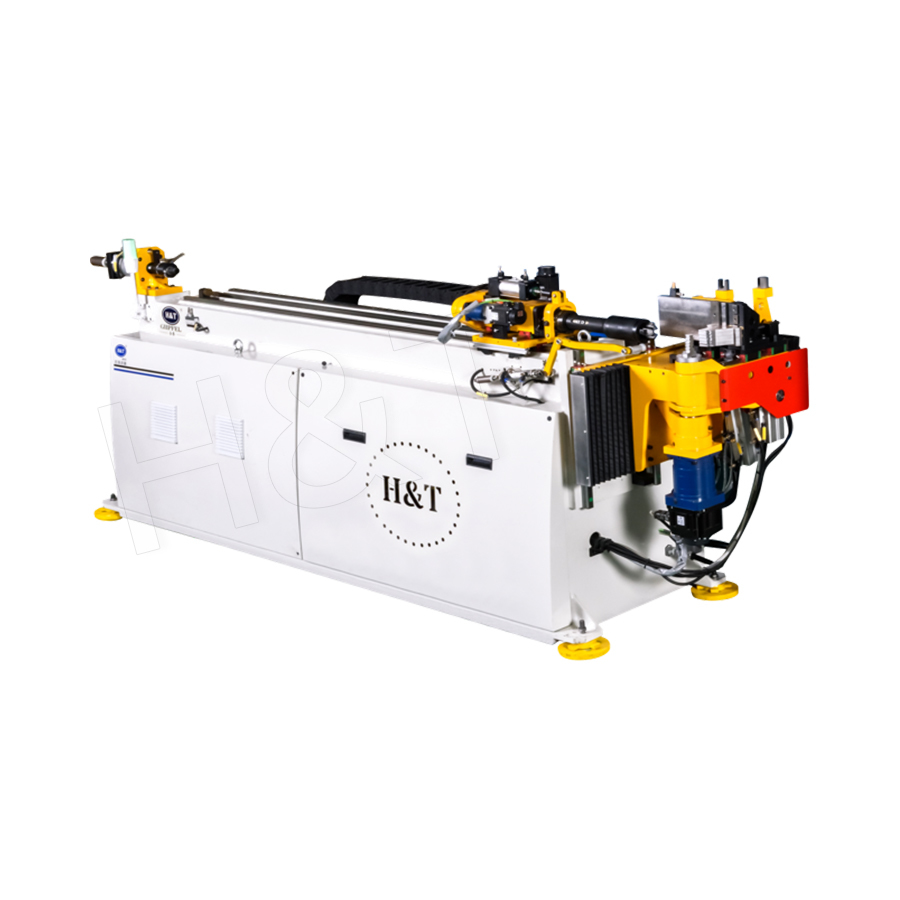
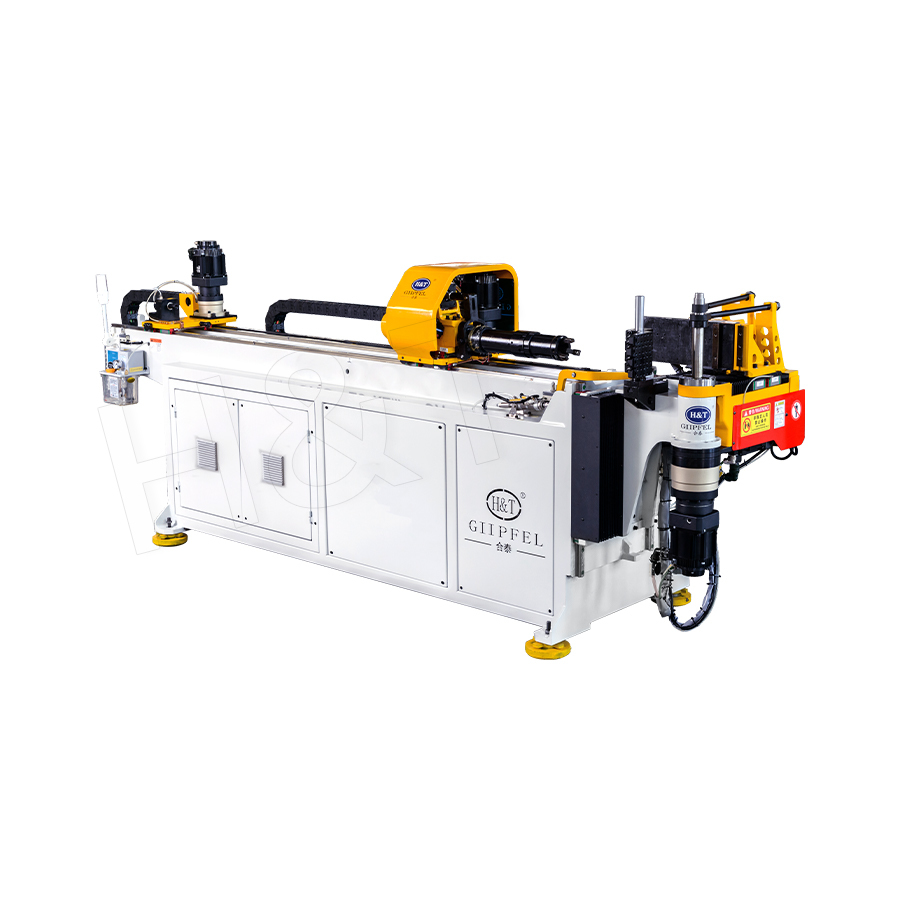
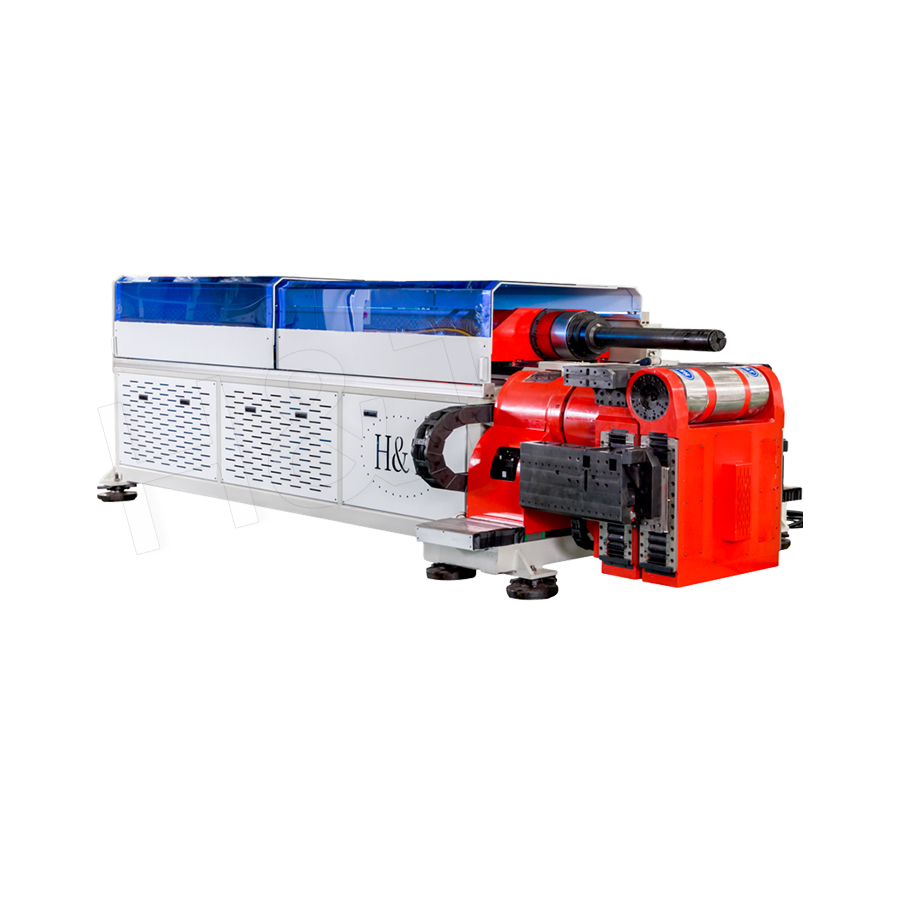
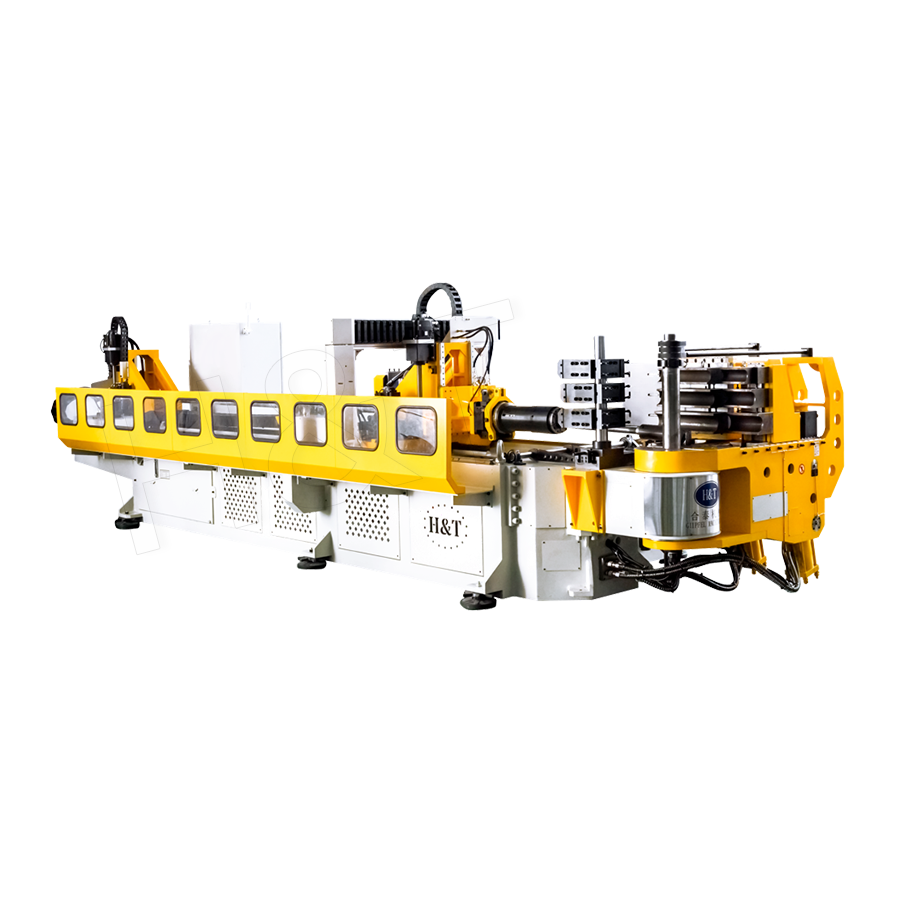
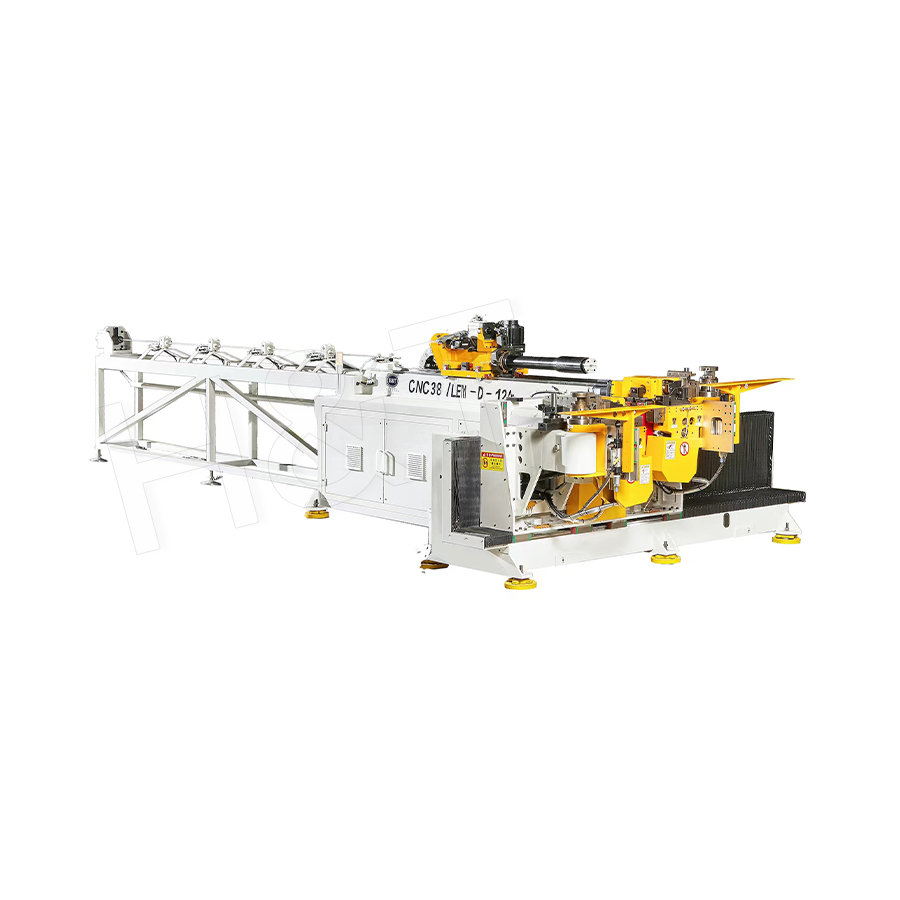
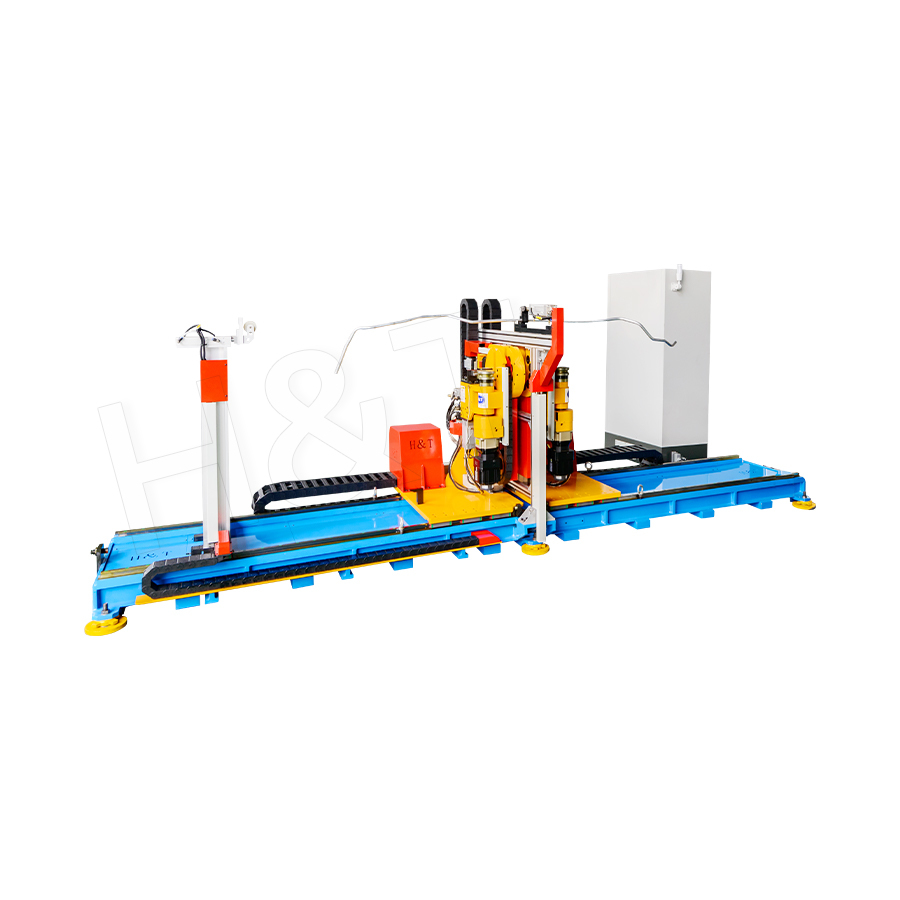
CNC tube bending machine refers to the process of using computer numerical control (CNC) technology to precisely bend metal tubes and pipes into predefined angles, radii, and multi-plane geometric shapes. A CNC tube bending machine machine integrates a full servo drive system with precision mechanical structures—including bending dies, clamp dies, pressure dies, mandrels, and wiper dies—all coordinated in real time by the CNC controller to execute complex bending sequences automatically and repeatably.
CNC tube bending machine are indispensable in modern automated production lines across the automotive parts, shipbuilding, energy pipelines, aerospace, and precision instruments industries. Their ability to execute complex, multi-radius 3D bending programs from a single setup—without manual re-jigging—makes them the technology of choice wherever tube geometry, throughput, and quality consistency are critical.
How CNC Tube Bending Machine Work
The CNC tube bending machine process is governed by a coordinated sequence of servo-controlled axes. For a typical single-head CNC pipe bending machine, the controlled axes include:
- Y-axis (carriage feed): Advances the tube to the programmed bend position along the tube's longitudinal axis.
- B-axis (tube rotation): Rotates the tube to the correct angular orientation before each bend, enabling multi-plane 3D bending sequences, a key feature for tube bending machines handling complex parts.
- C-axis (bend angle): Drives the bending arm and die through the target bend angle, with automatic springback over-bend compensation applied by the CNC system.
- Pressure die and clamp die axes: Apply controlled clamping and axial boost force during bending to manage wall thinning and prevent wrinkling, ensuring quality for both CNC pipe bending machines and other tube forming technologies.
- Mandrel axis: Positions the internal mandrel to support the tube bore at the bend point, preventing collapse on tight-radius bends, especially important in tube bending machines for delicate or high-pressure tubes.
The CNC controller executes the full bend sequence—Y, B, C, clamp, pressure die, mandrel—simultaneously and in synchronization, completing each bend in as little as 3–8 seconds. A 10-bend automotive brake tube, for instance, is typically completed in under 60 seconds total cycle time, showcasing the efficiency of CNC pipe bending machines in high-volume production.
Single-Stack vs. Multi-Stack Die CNC tube bending machine
One of the most important configuration decisions in CNC tube bending machine is the number of die stacks mounted on the bending head. This choice directly impacts per-part cycle time, tooling cost, and part complexity, whether the equipment is used as a standard tube system or a more specialized pipe bending machine:
Single-Stack Die CNC tube bending machine
A single-stack configuration mounts one bending die (one radius) on the bending head. This is the standard configuration for parts where all bends share the same radius, or where production volume does not justify multi-stack tooling investment. Single-stack machines offer the advantages of simplicity, lower tooling cost, and easy maintenance. They are widely used for automotive underbody tubes, furniture frames, and general hydraulic lines where a single bend radius covers all production requirements, including applications such as CNC tube bending machine for automotive pipe production.
Double-Stack, Three-Stack, and Multi-Stack Die CNC tube bending machine
Multi-stack die configurations mount two, three, or more different bend radius dies on a common turret or stacked bending head. The CNC system automatically indexes the correct die for each bend without operator intervention. This eliminates the need to stop the machine and change tooling when a part requires bends of different radii—a critical advantage for complex tube assemblies, especially when handling materials like stainless steel in CNC tube bending machine for stainless steel pipe applications. Key benefits include:
- Cycle time reduction: Eliminating manual die changes reduces total part cycle time by 40–70% on multi-radius parts compared to sequential single-stack setups.
- Part complexity: Enables production of parts with 2–4 different bend radii in a single program cycle, such as complex automotive fuel rails, exhaust manifolds, and aerospace hydraulic lines.
- Unmanned production: With all radii available on the machine, fully automated unattended production of complex parts is feasible when combined with auto-loading systems.
| Configuration | Bend Radii per Setup | Best For | Tooling Cost |
|---|---|---|---|
| Single-stack | 1 | Single-radius parts, high volume | Low |
| Double-stack | 2 | Automotive tubes, 2-radius assemblies | Medium |
| Three-stack | 3 | Complex hydraulic / fuel lines | Medium-High |
| Multi-stack (4+) | 4 or more | Aerospace, multi-radius manifolds | High |
Key Advantages of CNC tube bending machine
Precision and Repeatability
Full servo drive eliminates backlash and hydraulic drift inherent in older systems. Modern CNC tube benders achieve bend angle repeatability of ±0.1° and carriage feed length accuracy of ±0.2 mm—enabling first-article acceptance and stable production without mid-run adjustments. This level of consistency is essential for automotive brake lines, where fitting alignment tolerances are measured in tenths of a millimeter.
Automatic Springback Compensation
The CNC controller stores material-specific springback coefficients and automatically over-bends each bend by the calculated amount, so the tube springs back to the exact target angle. This eliminates the manual trial-and-error required with NC or manual benders, reducing setup scrap by 60–80% when switching materials or wall thicknesses, a capability commonly found in advanced CNC pipe benders.
Complex 3D Part Capability
Operators can import 3D tube geometry directly from CAD files (IGES, STEP) into the bending machine's offline programming software. The software automatically calculates the Y-B-C bending sequence, checks for tooling collisions, and generates the machine program—removing all manual calculation from the process. Parts with up to 20 or more bends in multiple planes can be programmed and proved out in a single working day, fully leveraging the capabilities of a modern CNC tube bender.
Integration with Automated Production Lines
CNC benders are designed for integration with robotic loading/unloading systems, downstream end-forming machines, and vision-based inspection stations. Communication via standard industrial protocols (EtherCAT, PROFINET) allows the bender to receive production orders from an MES and report actual bend parameters for traceability—supporting 100% part traceability required in automotive Tier-1 and aerospace supply chains, whether using a CNC tube bender or a CNC pipe bender.
CNC tube bending machine vs. NC Bending vs. Manual Bending
| Feature | CNC tube bending machine | NC Bending | Manual Bending |
|---|---|---|---|
| Bend Angle Accuracy | ±0.1° | ±0.3–0.5° | ±1–3° |
| 3D Multi-plane Bending | Yes (automatic) | Limited | No |
| Springback Compensation | Automatic | Semi-automatic | Manual trial |
| Multi-stack Die Support | Yes | Rarely | No |
| CAD Program Import | Yes (IGES/STEP) | No | No |
| Automation Integration | Full | Partial | None |
Applicable Materials and Tube Specifications
CNC tube bending machine machines can process a broad range of materials, provided the machine's clamping force, bending torque, and tooling are matched to the material's properties. In many modern factories, an automatic CNC tube bending machine further enhances consistency and productivity across different material types:
- Carbon steel and low-alloy steel: The most common substrate. Good formability for wall thickness-to-OD ratios above 1:30. Standard carbide-insert tooling provides long service life.
- Stainless steel (304, 316L): Higher springback and work-hardening rate require increased over-bend compensation and heavier-duty tooling. Bend radii should be at least 2× tube OD to avoid surface cracking.
- Aluminum alloys (6061, 6063): Requires annealing to T0 condition for tight-radius bending. Lower forming forces allow higher bending speeds, reducing cycle time by 20–30% compared to steel of the same OD.
- Copper and brass: Excellent ductility allows tight bends (R/D as low as 1.0) without mandrel support in thin-wall configurations. Used extensively in HVAC and refrigeration tube bending.
- Titanium: Requires specialized tooling materials, lubrication, and controlled bending speed. Warm forming at 200–300°C is sometimes necessary for tight-radius bends on Grade 9 titanium.
Typical CNC single-head bending machines handle tube ODs from Ø6 mm to Ø130 mm, with wall thicknesses from 0.5 mm to 10 mm, depending on machine frame size and drive capacity. Many global buyers source equipment such as CNC tube bending machine solutions to balance performance and cost efficiency.
Industry Applications of CNC tube bending machine
Automotive Manufacturing
A typical passenger vehicle contains 15–40 bent tube assemblies in brake, fuel, transmission cooling, power steering, and air conditioning systems. CNC tube bending machine lines with multi-stack dies and integrated end-forming—often configured as automatic CNC tube bending machines—produce these components at rates of 400–1,200 assemblies per shift with full traceability to forming parameters.
Aerospace and Defense
Aircraft hydraulic lines operate at up to 5,000 PSI across extreme temperature ranges. CNC spinning and bending of titanium and stainless steel tubes must meet AS9100 quality standards, with each part assigned a unique serial number linked to its bending program, operator, material lot, and inspection record.
Energy Pipelines and Shipbuilding
Offshore platforms, LNG vessels, and industrial process plants require large-diameter tube bends in high-pressure piping systems. CNC benders for heavy-wall tubes (OD up to 168 mm, wall up to 16 mm) deliver the precise bend angles and neutral-axis positions required for piping stress calculations and isometric drawing compliance, with many projects utilizing equipment sourced from CNC tube bending machine manufacturers.
Common Questions About CNC tube bending machine
How is a CNC tube bending machine program generated from a 3D CAD model?
The 3D tube centerline geometry is exported from CAD software as an IGES or STEP file and imported into the bending machine's offline programming software. The software extracts the Y (feed), B (rotation), and C (bend angle) values for each bend, applies material-specific springback compensation, performs collision simulation between the tube and tooling, and outputs the machine program. First-article setup time is typically reduced to under 30 minutes for a 10-bend part using this workflow.
What causes inconsistent bend angles on a CNC bender, and how is it corrected?
The most common causes are material springback variation (different material heats having slightly different yield strengths), worn tooling (increased clearances), or clamp/pressure die force drift. Modern CNC systems address this by storing material-specific springback databases, using encoder feedback to verify actual bend angles, and automatically updating the springback correction parameter after each part if an inline angle gauge is integrated.
How many die stacks do I need for my application?
If all bends on all parts your machine will produce share the same radius, a single-stack die is sufficient. If parts require two different radii, a double-stack is the most cost-effective solution. For three or more radii, or for frequent product changeover across many part numbers, a three- or multi-stack configuration minimizes changeover downtime and maximizes machine utilization.
What is the minimum bend radius achievable with a CNC bender?
With a mandrel, wiper die, and boost bending (axial tube compression during bending), bend centerline radii of 1.0–1.5× tube OD are achievable on carbon steel and copper. Stainless steel and aluminum typically require a minimum of 2× OD to avoid surface cracking. Tighter radii are possible with heated tooling or intermediate annealing between bending passes.