


 简体中文
简体中文 English
 日本語
日本語 한국어
한국어 Español
 русский


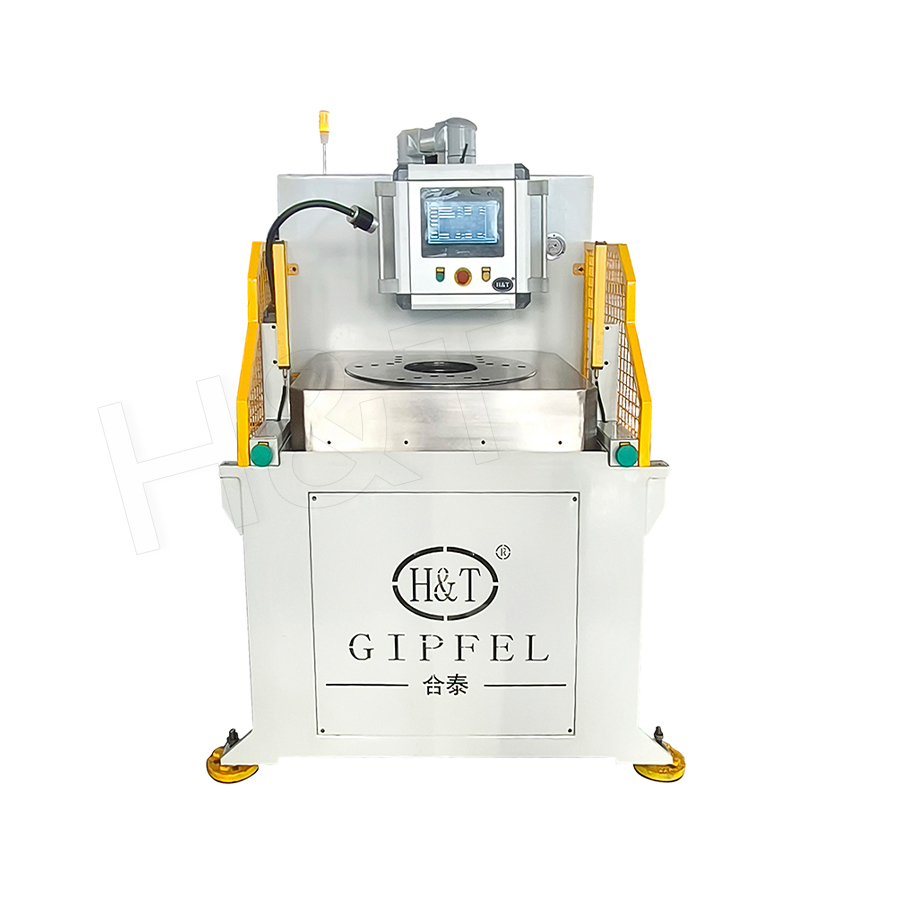
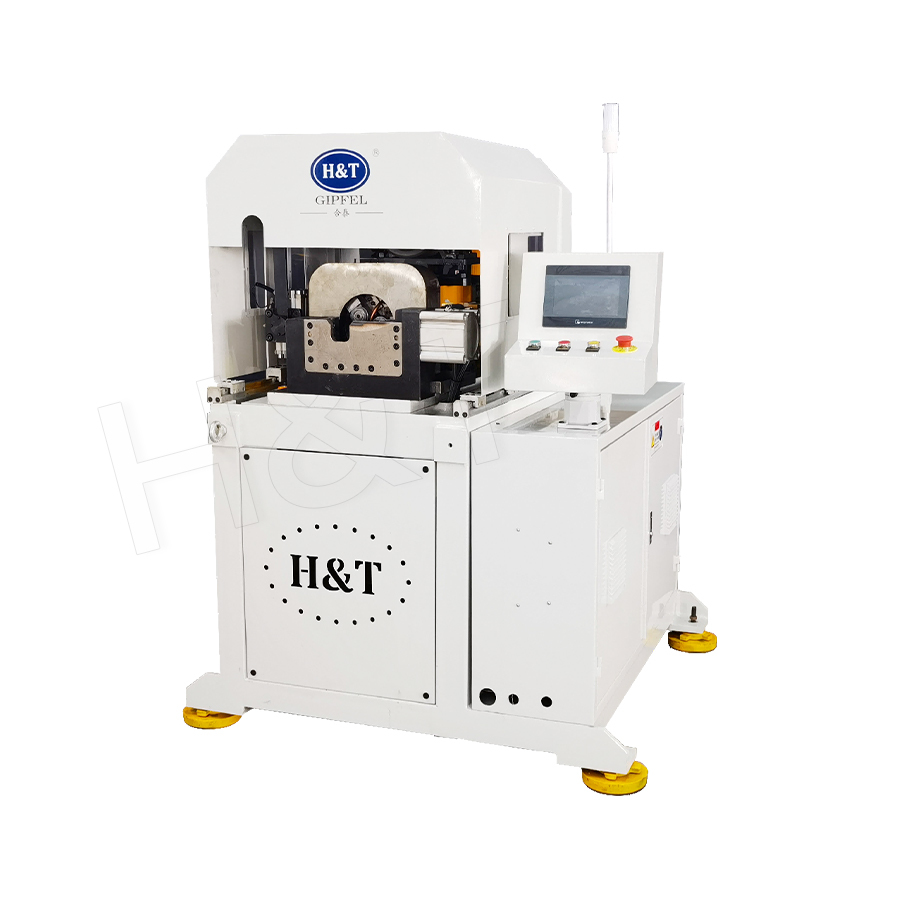
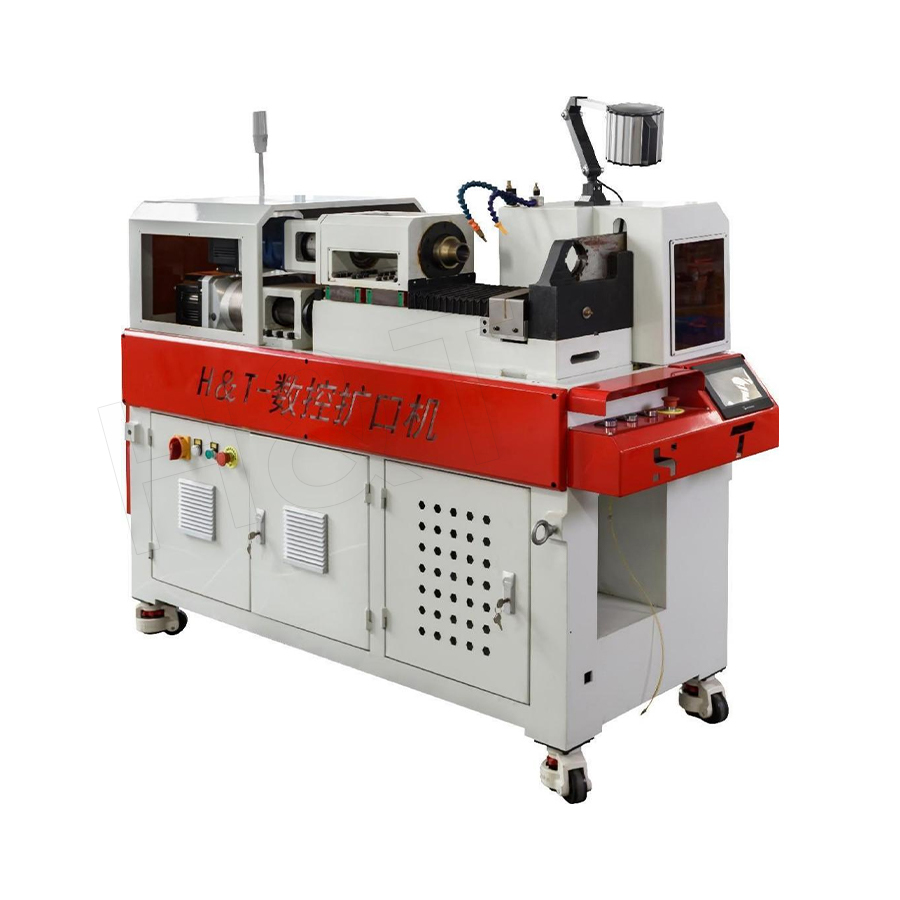
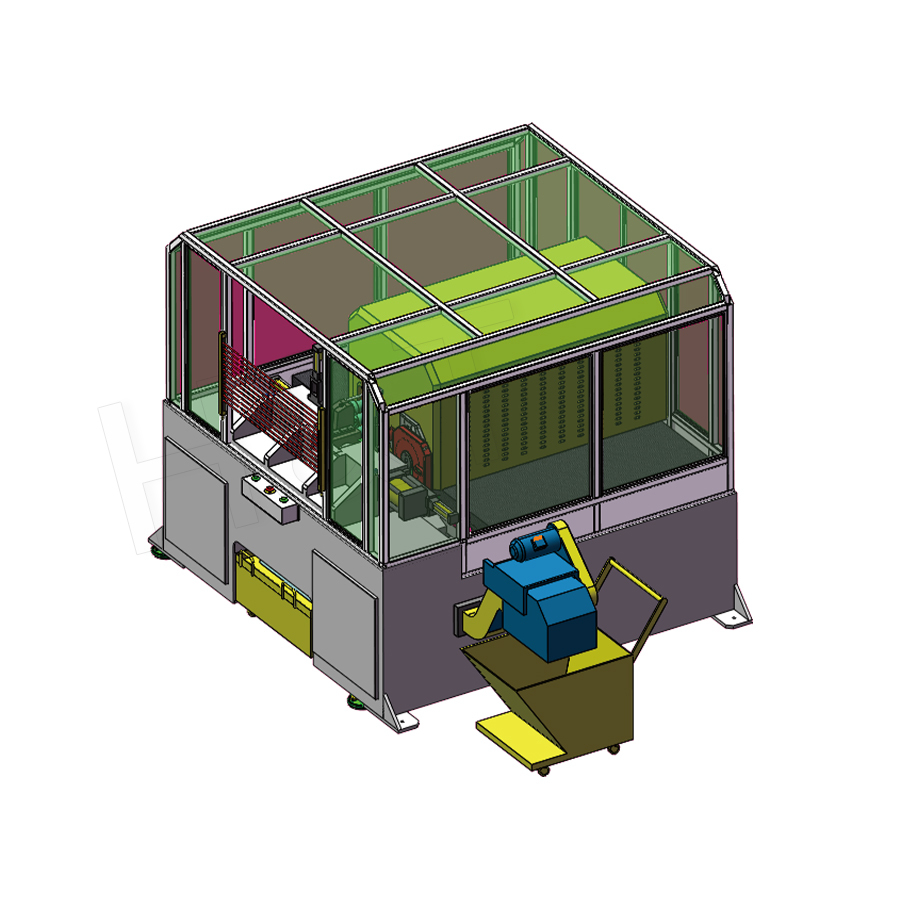
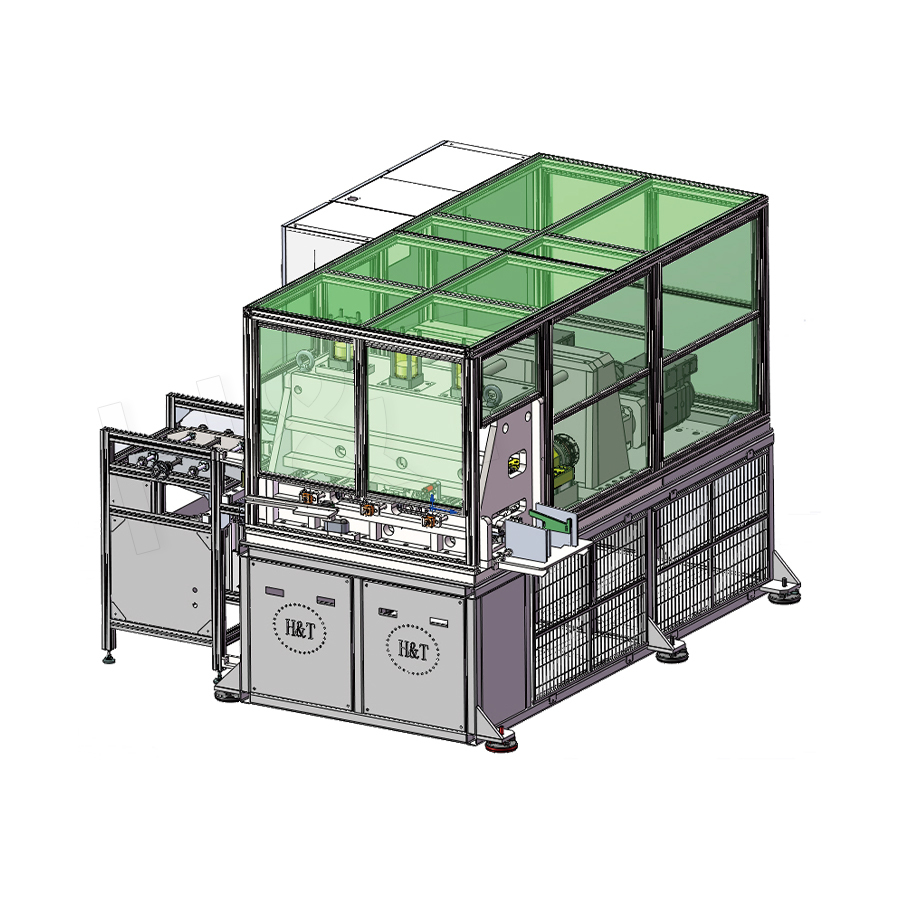
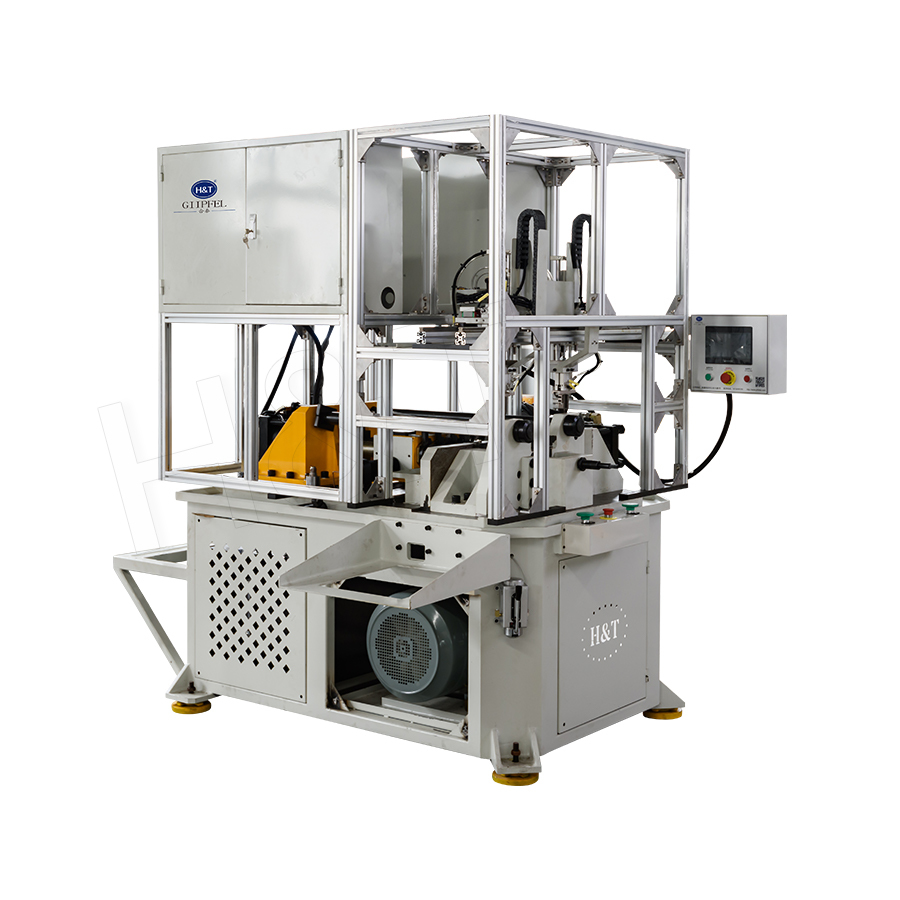
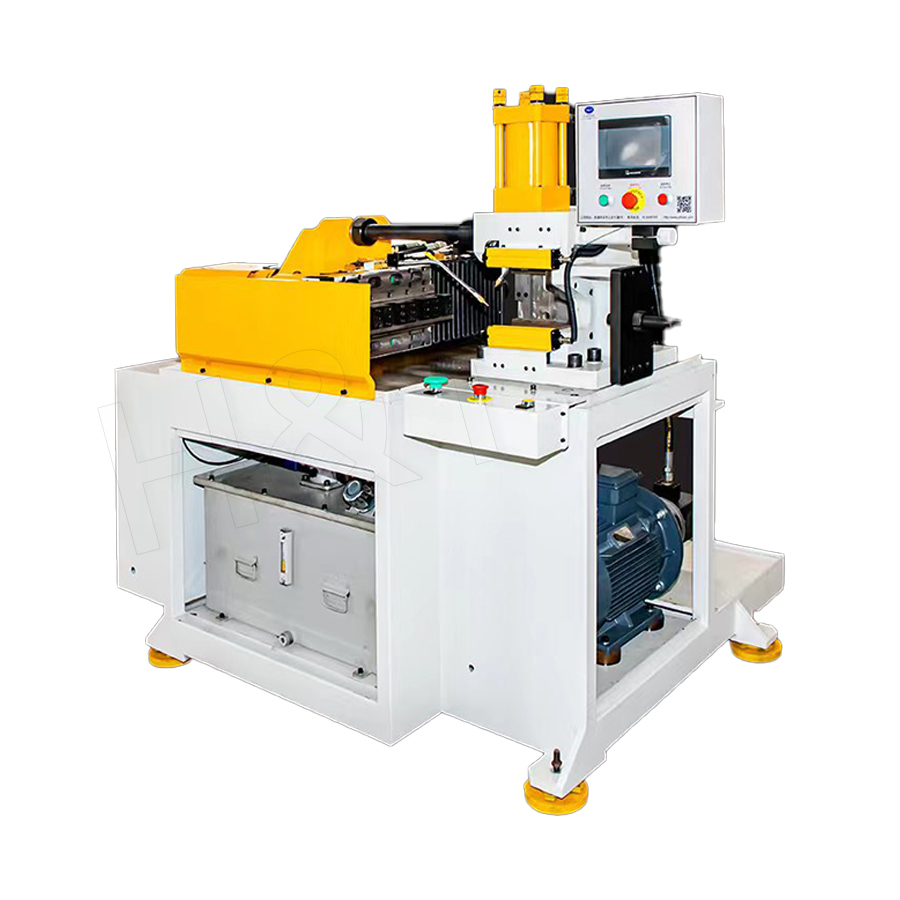
The Tube End Forming Series is a comprehensive equipment lineup covering the complete range of metal tube end processing—from basic single-station machines for standard flaring and beading to sophisticated CNC multi-station systems capable of complex sequential forming, necking, expanding, grooving, and surface treatment in a single automated cycle. This series is designed to meet the exacting standards of the automotive, aerospace, machinery manufacturing, and HVAC industries, where tube end geometry directly affects joint integrity, sealing performance, and assembly fit.
The defining characteristics of this series are its full-range coverage (single machines through complete production lines), its integration of advanced forming technologies (cold heading, spinning, and CNC-controlled multi-pass forming), and its efficiency-first design philosophy, where automation and multi-functionality are combined to minimize cycle time and labor per part.
Core Tube End Forming Processes and How They Work
Flaring
Flaring expands the tube end outward at a defined angle to create a seating surface for compression or flare fittings. The tube is clamped in a die, and a hardened conical punch is pressed axially into the bore, forcing the material to flow outward. Standard flare angles include 37° (SAE/JIC), 45° (DIN), and bubble/inverted flares. Dimensional accuracy is critical—an out-of-tolerance flare angle causes fitting leakage in hydraulic and refrigeration systems.
Beading and Grooving
Beading forms a circumferential raised ring on the outside of the tube end, providing a positive stop for hose or push-fit connector retention. Grooving produces a circumferential groove for O-ring or snap-ring seating. Both operations are performed using roller-type tooling that is fed radially into the rotating tube, producing clean, consistent profiles without material removal.
Necking (Reducing)
Necking reduces the outer diameter of the tube end through one or more progressive die stages. This is commonly used to create stepped tube assemblies where a smaller-diameter insert section fits into a larger main tube. Multi-pass necking is necessary for reductions greater than 15–20% of the original OD to prevent wrinkling or cracking; each pass reduces the diameter by a controlled increment of 5–10%.
Expanding
Expanding increases the tube end OD to create a socket or bell end for slip-fit or brazed joint connections. A segmented expanding mandrel or a single tapered punch is driven into the bore. Expansion ratios of up to 20–25% of the original OD are achievable in a single operation on ductile materials (copper, aluminum, low-carbon steel).
Spinning and End Closing
Spinning uses a CNC-controlled rotating form roller to progressively reshape the tube end into complex axisymmetric geometries—domed ends, conical transitions, or hollow boss features. This cold-forming technique achieves excellent surface finish and work-hardens the material, improving fatigue resistance. It is widely used for aerospace hydraulic tube fittings and automotive shock absorber components.
Cold Heading of Tube Ends
Cold heading compresses the tube end axially to thicken the wall and form complex flange or upset features. This process is particularly suitable for creating integral hex or square driver features on tube ends, eliminating the need for welded fittings. Material utilization is near 100% since no material is removed—all displaced material is redistributed to form the target geometry.
Machine Types Across the Series
| Machine Type | Processes | Typical Tube OD Range | Best Application |
|---|---|---|---|
| Single-station end forming machine | Flare, bead, expand, neck | Ø6–Ø76 mm | Medium-volume, single-process |
| Multi-station CNC end forming machine | Sequential multi-process | Ø8–Ø60 mm | Complex tube fittings, automotive |
| CNC spinning machine | Spinning, contouring, end closure | Ø20–Ø200 mm | Aerospace, high-pressure fittings |
| Cold heading tube end press | Upsetting, flange forming | Ø6–Ø50 mm | Integral fitting features |
| Automated end-forming production line | All processes + inspection | Ø8–Ø76 mm | High-volume, multi-process assembly |
Key Advantages of the Tube End Forming Series
Dimensional Precision and Repeatability
CNC-controlled end forming machines achieve flare angle tolerances of ±0.5° and OD dimensional tolerances of ±0.05 mm—performance that hand-operated or cam-driven machines cannot match. This level of precision is essential for critical hydraulic and fuel-system tube connections, where fitting leakage can cause field failures.
Multi-Process Integration
Multi-station CNC end forming machines can perform necking, flaring, beading, and grooving in a single setup and cycle, eliminating the need to transfer the tube between multiple dedicated machines. This integration reduces total process time by 50–70% compared to sequential single-station processing and eliminates inter-process handling damage.
No Heat-Affected Zone
All processes in the Tube End Forming Series are cold-forming operations. The absence of heat input preserves the original mechanical properties—tensile strength, yield strength, and ductility—of the tube base material throughout the forming process. This is particularly important for high-strength steel and titanium tubes used in aerospace and motorsport, where thermal alterations would compromise structural integrity.
High Material Utilization
Cold forming processes redistribute material rather than removing it, achieving material utilization rates of 95–100%. This contrasts with machined fittings, where 40–60% of the raw material may be turned away as chips.
Industry Applications
Automotive Brake, Fuel, and Cooling Systems
A modern passenger vehicle contains 15–35 tube assemblies in brake, fuel, transmission cooling, air conditioning, and power steering systems. Each tube end must be formed to tight dimensional tolerances to ensure leak-free fitting connections. Automated multi-station end forming lines produce these components at rates of 400–1,200 assemblies per hour, with 100% vision or gauge inspection before dispatch.
Aerospace Hydraulic Systems
Aircraft hydraulic lines operate at pressures of 3,000–5,000 PSI and must maintain leak-free performance across extreme temperature ranges (−55°C to +150°C). CNC spinning machines form precision end geometries on titanium, stainless steel, and aluminum tubes, with each part traceable by serial number to its forming parameters—a regulatory requirement for flight-critical components.
HVAC and Refrigeration Tubing
Copper and aluminum tube ends in HVAC systems require expanding and flaring for brazed or compression joints. Automated expanding lines for heat exchanger tube sheets can process thousands of tubes per hour, with each expanded end meeting dimensional specifications for leak-free braze joint formation.
Machinery and Industrial Equipment
Hydraulic and pneumatic cylinder tubes, lubrication lines, and coolant tubes in industrial machinery all require precise end forms. Single-station or multi-station CNC forming machines provide the flexibility to handle the variety of tube sizes and end forms common in machinery OEM production.
Quality Control and Inspection Integration
For automotive and aerospace applications, end-forming lines increasingly integrate automated inspection directly into the production cycle:
- Laser measurement gauging: Non-contact laser sensors measure OD, wall thickness, and flare angle of every produced part in under 2 seconds, with results logged to a production database for SPC (Statistical Process Control) analysis.
- Force monitoring: Servo drive current and force feedback during forming provides an indirect measure of material condition and tooling health—an anomalous force signature indicates a worn die or out-of-spec material and triggers an alert before a scrap part is produced.
- Vision inspection: Cameras check for visible cracking, wrinkling, or surface defects at the formed end, automatically segregating non-conforming parts before they advance to assembly.
- Traceability marking: Laser or ink-jet marking systems apply part numbers, date codes, or data matrix codes to each tube, creating a complete digital birth record linked to forming parameters, material lot, and inspection results.
Common Questions About the Tube End Forming Series
What tube materials are compatible with cold forming?
Most ductile metals are compatible with cold forming, including carbon steel (up to ~600 N/mm² tensile strength), stainless steel, copper alloys, aluminum alloys, and titanium (Grade 1, 2, and 9). For higher-strength materials (HSLA steel, Inconel), forming is possible but requires higher tooling forces and more careful pass progression to avoid cracking at the tube end. Materials with less than 15–20% elongation at fracture should be evaluated carefully before cold forming.
How many forming stations are needed for a complex automotive tube fitting?
A typical automotive brake line fitting (inverted flare with a deformed thread end) requires 4–6 forming stages: initial facing, first-pass neck, second-pass neck, flare pre-form, final flare, and optional beading. Modern multi-station CNC machines perform all these steps in sequence with a single tube clamping, completing the full end form in 15–25 seconds.
What is the tooling life expectancy, and how does it affect unit cost?
For standard carbon steel tube flaring, hardened tool steel dies last 200,000–500,000 forming cycles before requiring reconditioning. Carbide-insert dies extend this to 1–2 million cycles. At these tooling lives, die cost per part is typically under $0.01 for high-volume production—far below the cost of machined fittings.
Can the same machine handle both metric and imperial tube sizes?
Yes. CNC-controlled machines store separate tooling recipes for each tube OD and wall thickness combination. Switching between metric and inch-series tubes requires a tooling change (chuck jaws and forming dies) plus a program recall, typically completed in 15–30 minutes. Some machines accept quick-change die cassettes that further reduce changeover time.