


 简体中文
简体中文 English
 日本語
日本語 한국어
한국어 Español
 русский


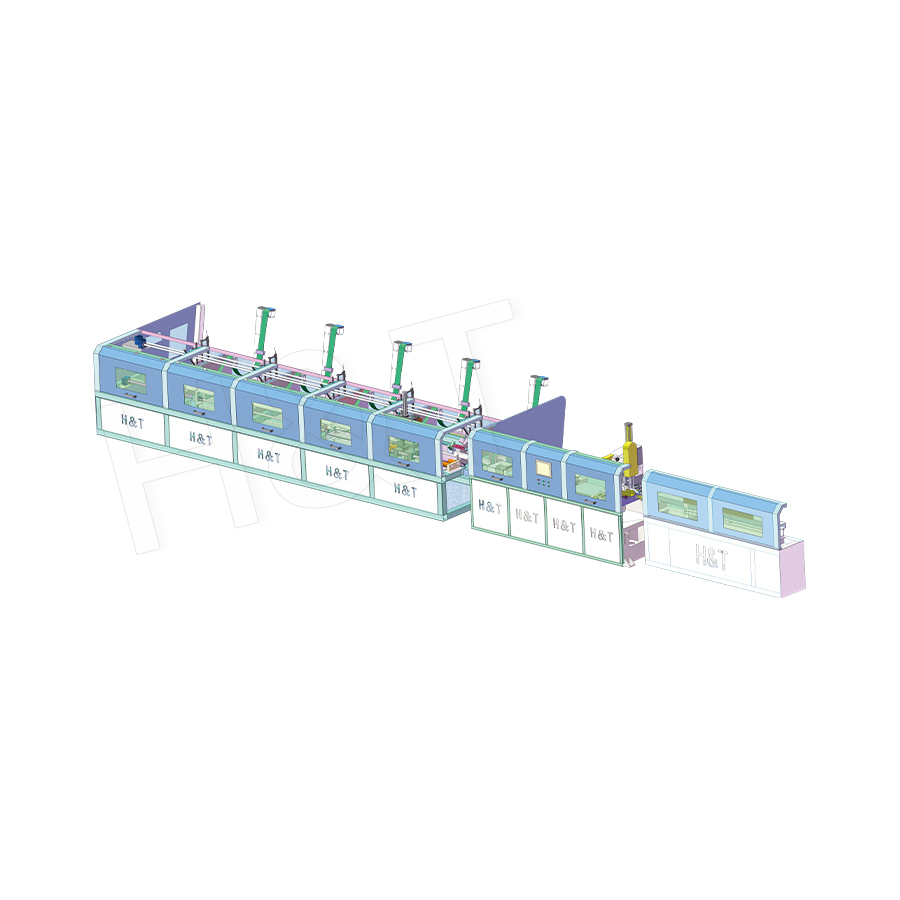
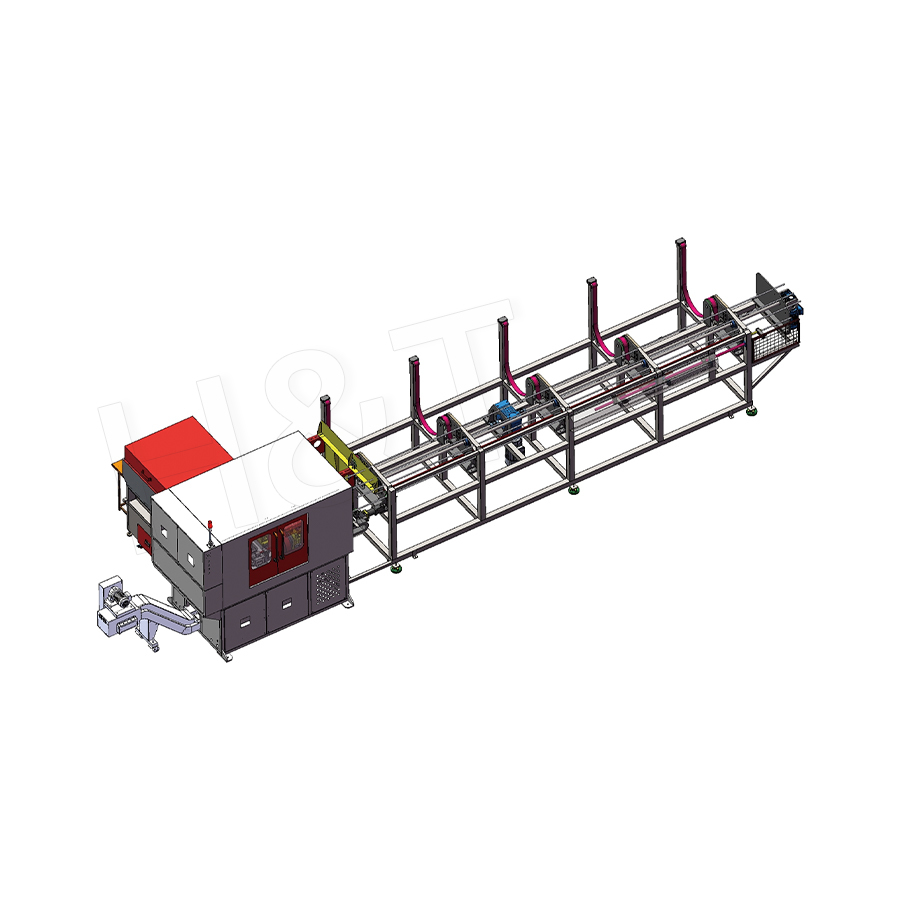
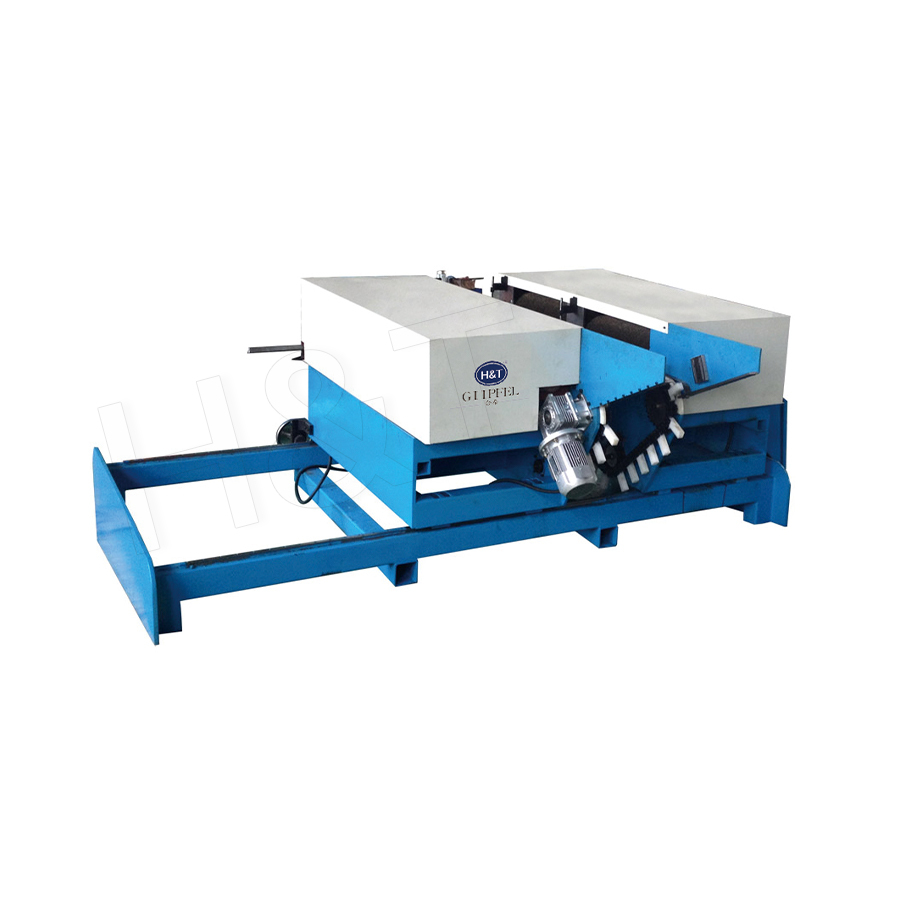
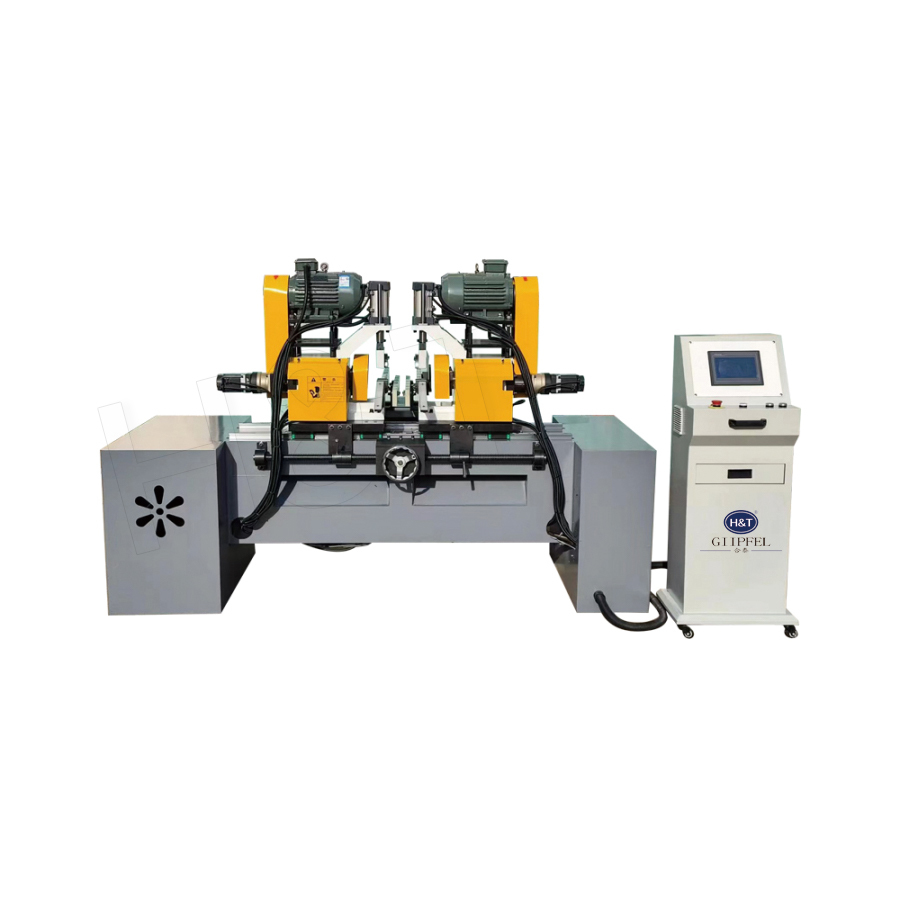
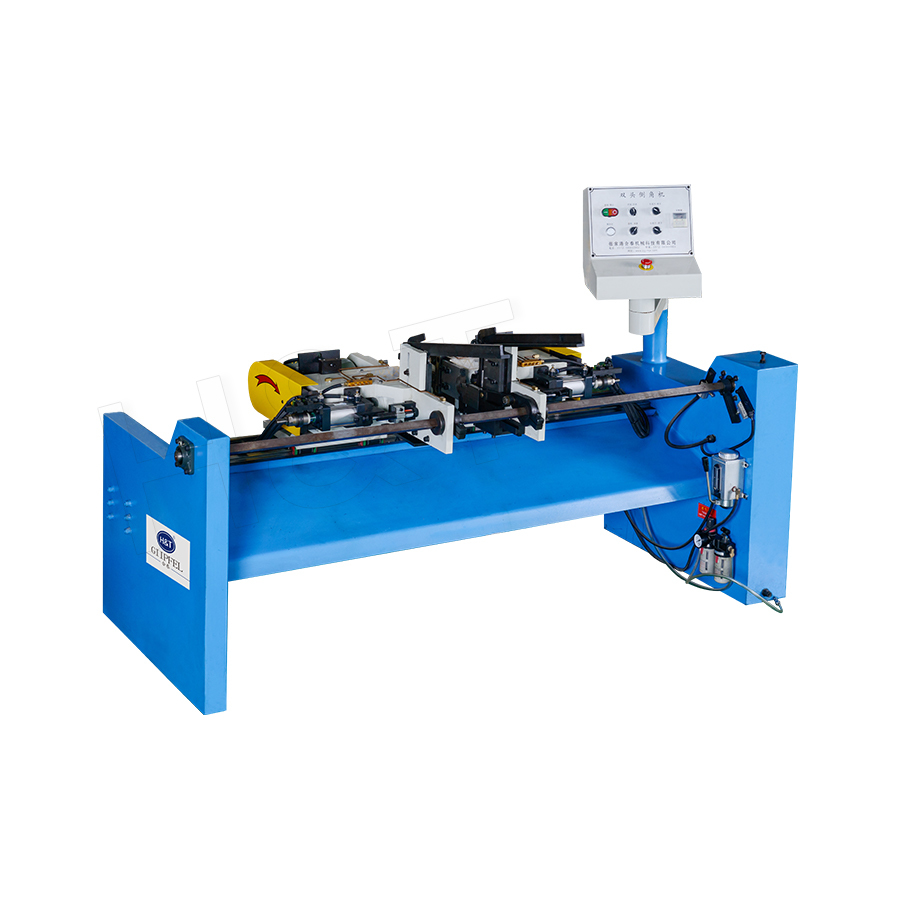
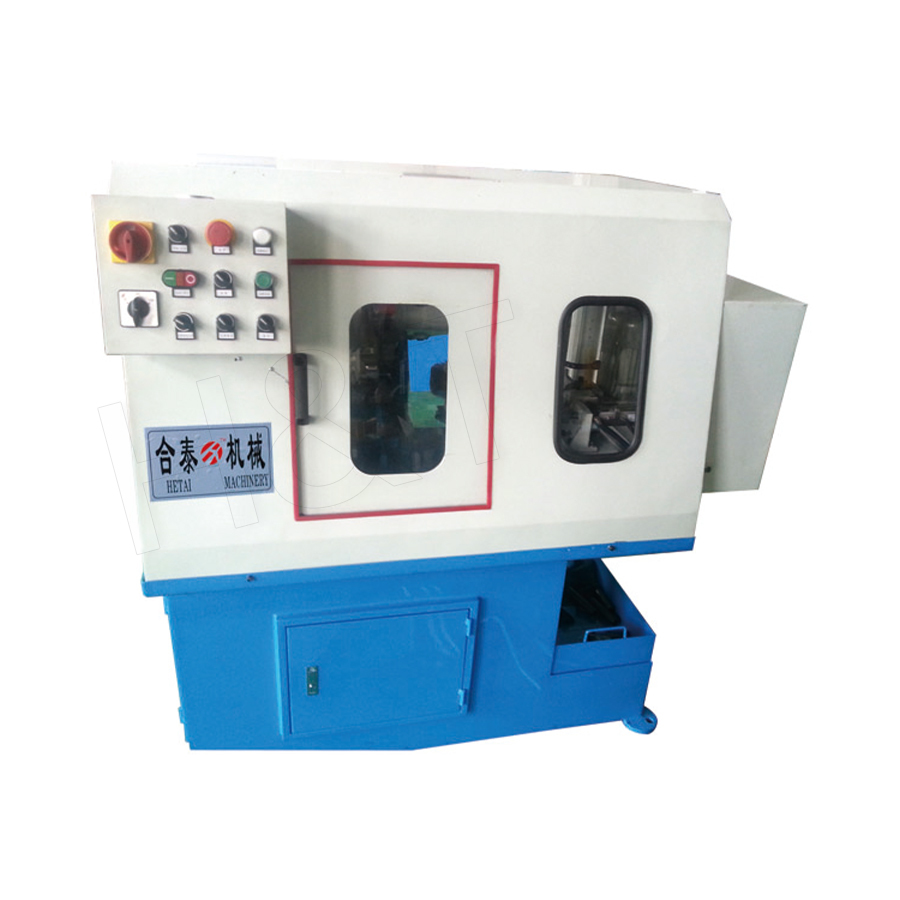
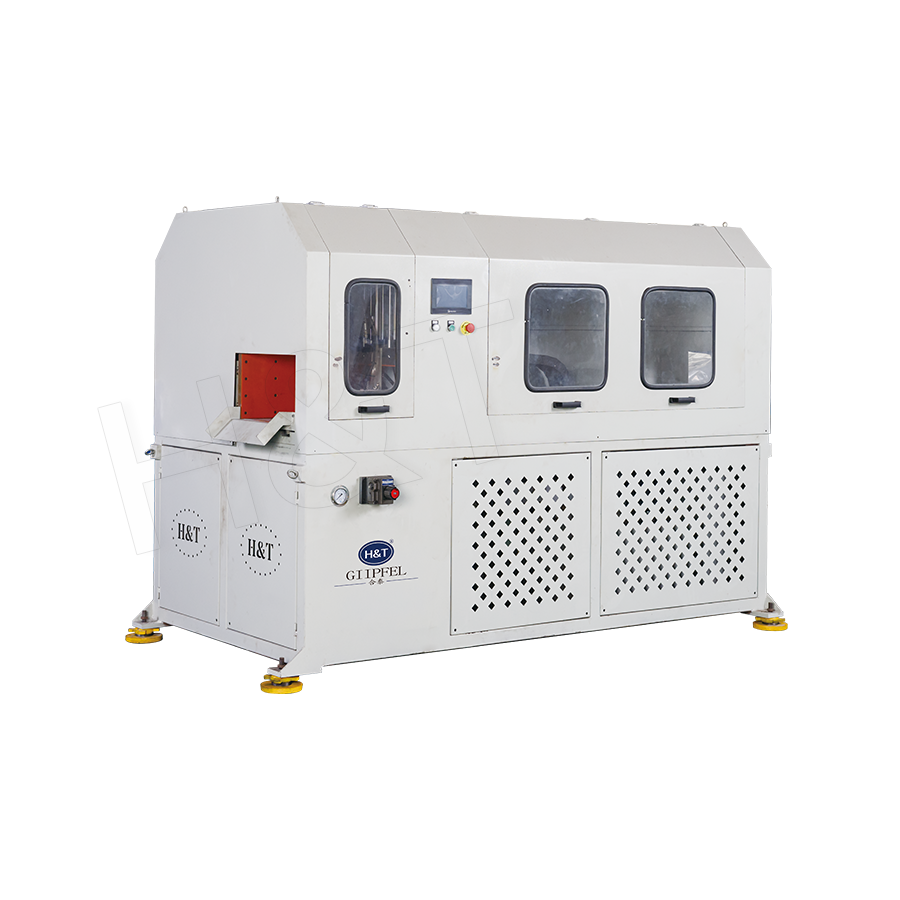
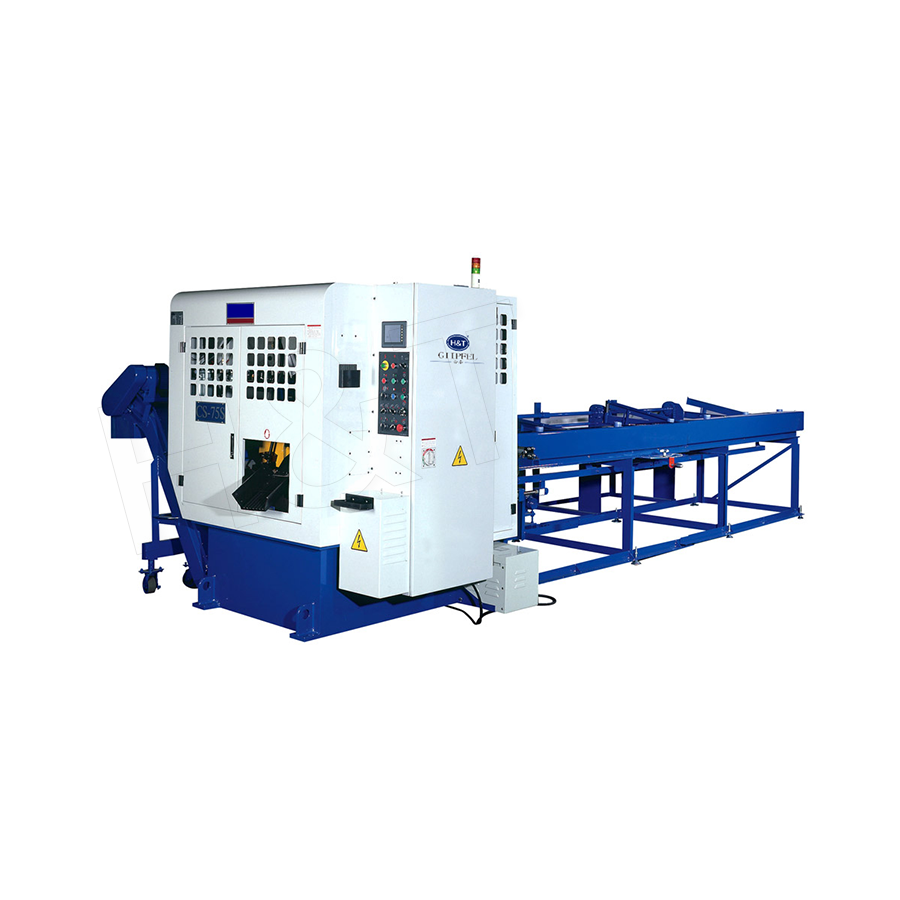
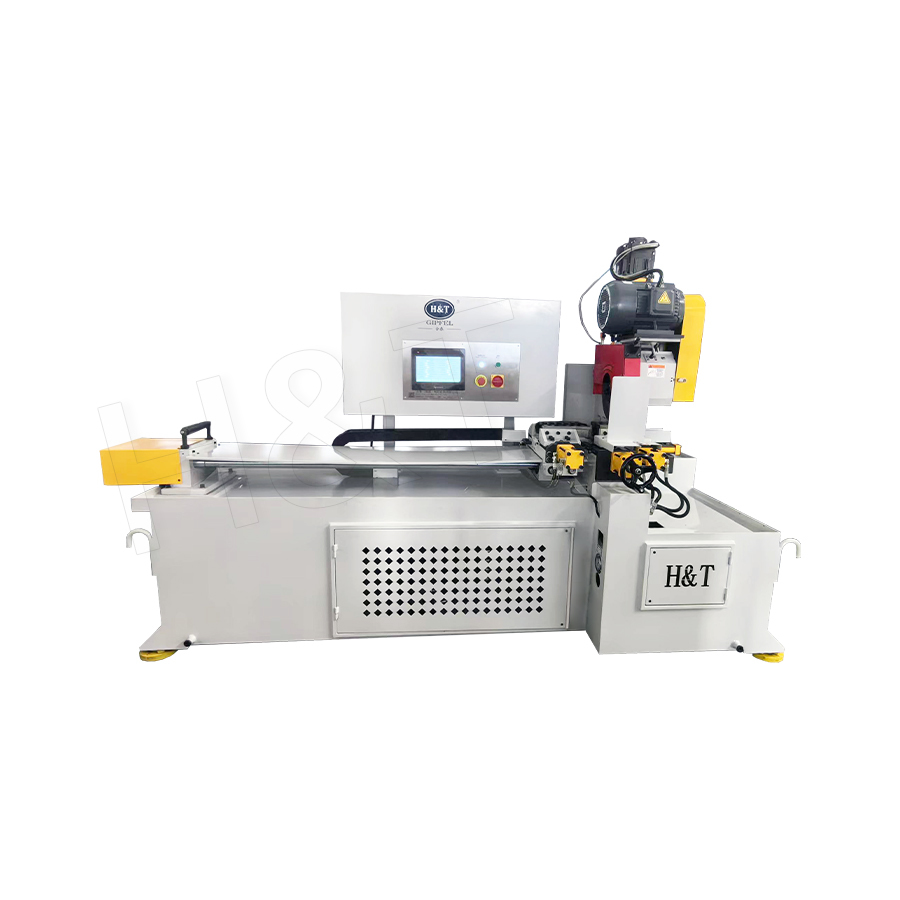
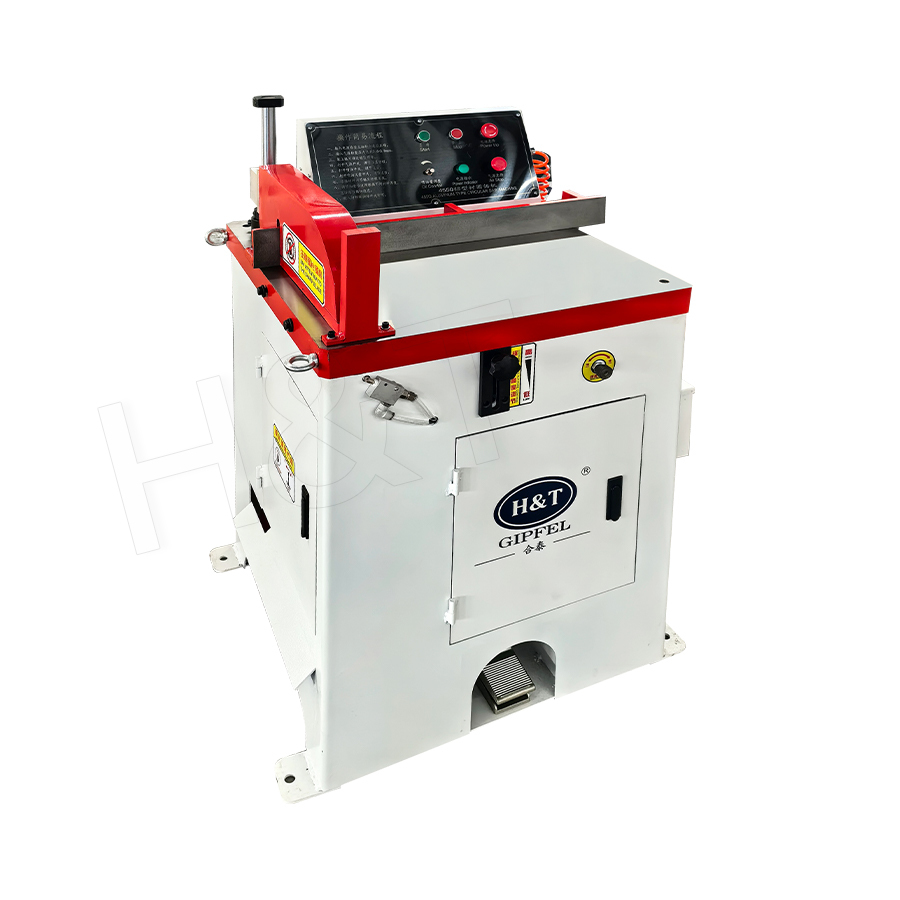
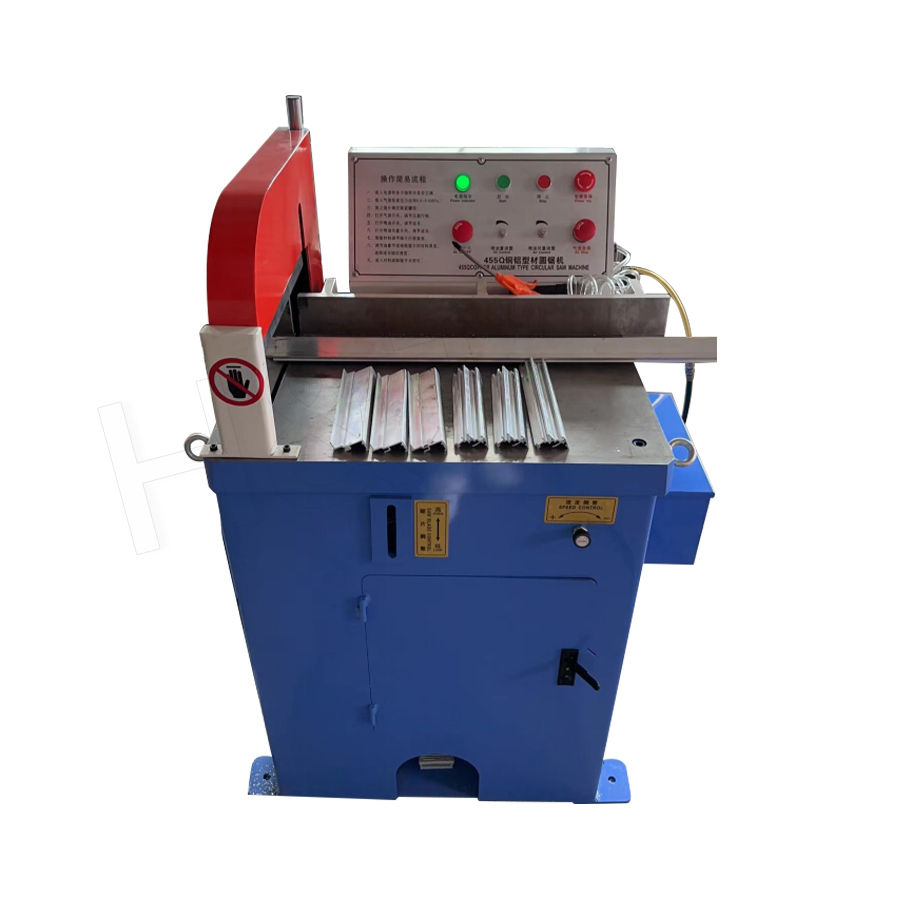
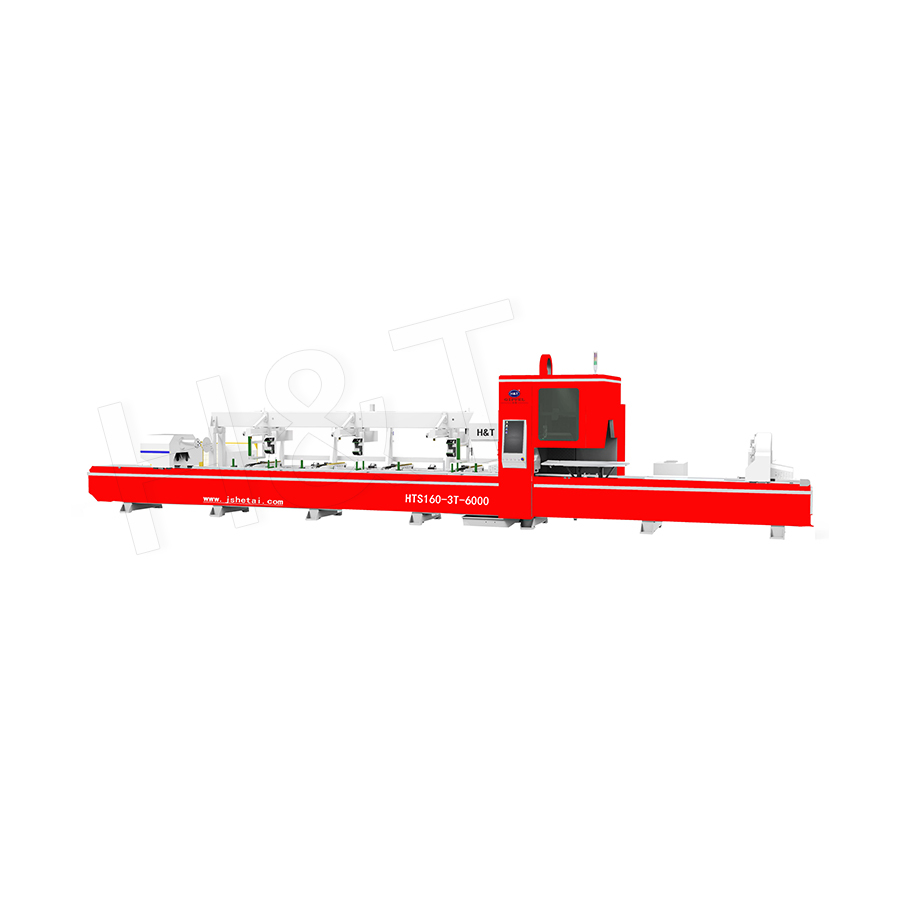
The Tube Cutting & Chamfering Series is an integrated smart manufacturing solution that combines high-precision tube cutting with automated edge chamfering (beveling and deburring) in a continuous, synchronized workflow. The series typically comprises three core modules: a fully servo circular saw for burr-free cutting, a chamfering machine for end-face processing, and an automated production line controller that sequences and connects both operations.
This system directly addresses the pain points of traditional manual cutting—including inconsistent cut angles, excessive burrs, safety hazards from rotating blades, and low hourly output—by delivering repeatable, high-quality results at throughput rates that manual methods cannot match. It is widely deployed in machinery manufacturing, automotive components, rail transportation infrastructure, and construction steel structures.
How the Cutting and Chamfering Process Works
Stage 1 – Tube Feeding and Positioning
Raw tubes—typically in lengths of 3–12 meters—are loaded onto an infeed conveyor or roller table. A servo-driven feed carriage grips the tube and advances it to the programmed cut position with length accuracy of ±0.2 mm. For high-mix production, the control system reads cut-list data from a central production management system and automatically adjusts feed length between orders.
Stage 2 – Fully Servo Circular Saw Cutting
The circular saw unit uses a servo-controlled feed axis to advance the blade into the tube at an optimized infeed rate matched to the tube wall thickness and material. Key technical characteristics include:
- Blade speed control: Variable spindle speed (typically 1,500–4,500 RPM) is automatically selected based on material grade (carbon steel, stainless steel, aluminum) to maximize blade life and cut quality.
- Cut-face perpendicularity: Servo control maintains squareness of the cut face to within 0.1°, eliminating the angular deviation common in manual or pneumatic saw systems.
- Minimal deformation: The cold-sawing process produces no heat-affected zone (HAZ) and negligible tube end deformation, preserving the material's mechanical properties and surface condition at the cut face.
- Short chip formation: Proper blade geometry and feed rate produce short, manageable chips rather than long spirals, reducing chip entanglement and the need for frequent chip clearance.
Stage 3 – Automated Transfer to Chamfering
Cut tubes are transferred automatically—via servo-driven conveyors, part pushers, or robotic pick-and-place—to the chamfering station. This eliminates manual handling between the two operations and ensures the cut tube maintains correct orientation for the chamfering process.
Stage 4 – Chamfering and Deburring
The chamfering machine processes one or both ends of the tube simultaneously (double-end chamfering). A rotating multi-blade chamfering tool or carbide insert cutter produces a precisely angled bevel (typically 30°, 45°, or custom angles), removes burrs from the tube bore and outer diameter, and blends the transition between the cut face and the tube wall. Face width and chamfer angle are programmable and repeatable to ±0.05 mm and ±0.5° respectively.
Performance Advantages Over Traditional Methods
| Performance Indicator | Automated Series | Manual / Abrasive Cutting |
|---|---|---|
| Cut Length Accuracy | ±0.2 mm | ±1–3 mm |
| Cut-Face Burr | Negligible / none | Significant; requires manual deburring |
| Heat-Affected Zone | None (cold sawing) | Present (abrasive/flame cutting) |
| Throughput (Ø50 × 3 mm steel tube) | 400–800 cuts/hr | 60–120 cuts/hr |
| Operator Safety Risk | Low (enclosed, guarded) | High (exposed blade, sparks) |
| Chamfer Angle Consistency | ±0.5° | ±3–5° (hand grinder) |
Applicable Materials and Tube Specifications
The Tube Cutting & Chamfering Series is engineered to handle a wide range of metallic materials and tube geometries. Matching machine parameters to material properties is critical for optimizing tool life and cut quality:
- Carbon steel and alloy steel (up to 1,000 N/mm²): The most common substrate. Standard carbide-tipped circular saw blades provide excellent tool life, typically 5,000–15,000 cuts per blade on thin-wall tube.
- Stainless steel (304, 316, 2205 duplex): Requires lower cutting speeds and higher-grade carbide blade coatings (TiAlN) to manage work-hardening. Cutting fluid with sulfur-free additives is recommended to prevent contamination of the cut face.
- Aluminum alloys: High cutting speeds (up to 4,500 RPM) and polished blade geometry prevent built-up edge. Chip clearance is more critical due to aluminum's tendency to smear.
- Copper and brass: Soft materials cut easily but require sharp blades and specific chip management to prevent re-welding of chips onto the cut face.
Typical machine capacity range: outer diameters from Ø10 mm to Ø220 mm, wall thicknesses from 0.5 mm to 20 mm, and cut lengths from 50 mm to 6,000 mm per piece, depending on machine configuration.
Industry Applications
Automotive Exhaust and Chassis Components
Exhaust pipes, chassis cross-members, and suspension tubes require precise cut lengths and burr-free ends to ensure proper assembly fit-up and weld joint quality. Automated cutting and chamfering lines support just-in-time delivery of cut tube sections directly to welding robots on automotive assembly lines, with batch traceability recorded automatically.
Rail Transportation Structures
Structural tubes used in rail car frames and track support structures must meet stringent dimensional tolerances and surface quality requirements. Cold-sawing eliminates the microstructural alterations caused by abrasive or flame cutting, preserving the fatigue resistance of high-strength steel tubes used in safety-critical rail applications.
Hydraulic and Pneumatic Tube Assemblies
High-pressure hydraulic lines require perfectly square, burr-free cut ends to ensure leak-free ferrule or compression fitting connections. A single burr or angular deviation at the cut face can cause seal failure under pressure, leading to costly field failures. The series' ability to hold cut-face squareness to 0.1° makes it a standard choice for hydraulic tube fabricators.
Construction and Structural Steelwork
Structural hollow sections for building frames, bridges, and industrial facilities are produced in large volumes with varying cut lengths. Automated production lines with programmable cut-list capability can execute multiple different lengths in a single shift without stopping for manual measurement or marking, maximizing uptime.
CNC Control and Production Management Integration
The automation controller that links cutting and chamfering modules provides more than simple sequencing—it acts as a production management hub:
- Cut-list import: Production orders are imported from ERP/MES systems as cut-list files (CSV or XML), and the machine automatically sequences cuts to minimize remnant offcuts and maximize material yield.
- Tool life tracking: The controller monitors cumulative blade cutting time and cut count, alerting the operator to planned blade changes before wear causes quality degradation—preventing out-of-tolerance production.
- Production reporting: Shift production reports (pieces cut, total length processed, downtime events, blade changes) are generated automatically and can be exported to quality management systems.
- Remote diagnostics: Ethernet connectivity allows remote access to machine status, alarm logs, and parameter settings, enabling faster troubleshooting by technical support teams without an on-site visit.
Common Questions About Tube Cutting & Chamfering Series
What is the difference between a circular saw cut and a band saw cut for tubes?
Circular saw cutting offers significantly higher speed and cut-face quality for tube applications. A circular saw can complete a cut on a Ø50 mm carbon steel tube in 3–8 seconds, versus 30–90 seconds for a band saw. Circular saws also produce narrower kerf widths (1.5–3 mm vs. 2–4 mm for band saws), reducing material waste. Band saws, however, are better suited for cutting very large-diameter thick-wall sections where circular blade size becomes impractical.
Can the chamfering machine handle both OD and ID chamfers simultaneously?
Yes. Modern combination chamfering tools process the outer diameter bevel, inner diameter bevel, and face simultaneously in a single plunge operation, typically completing both ends of a tube in 8–15 seconds total. This is critical for weld-prep applications where both the OD chamfer (for the weld groove) and ID deburring (for flow cleanliness) must be completed.
How quickly can the line be reconfigured for a different tube diameter?
With a quick-change clamping and guide system, diameter changeover typically requires 10–20 minutes, including chuck jaw replacement and chamfering tool adjustment. CNC-controlled adjustable guide rails on some systems allow diameter changes within the programmed range (e.g., Ø20–Ø100 mm) with a parameter input only, requiring no physical tooling change.
What is the typical blade life, and how does it affect cost per cut?
For a Ø180 mm carbide-tipped circular saw blade cutting Ø50 × 3 mm carbon steel tube, typical blade life is 8,000–15,000 cuts. At a blade cost of approximately $150–$300, the consumable cost per cut is under $0.03—a small fraction of the labor and quality cost associated with manual cutting and deburring.