

 简体中文
简体中文 English
 日本語
日本語 한국어
한국어 Español
 русский
No. 196, Lifa Avenue, Haian City, Nantong, Jiangsu Province, China

News Category
Product Category
Why a Multi-Stack CNC Tube Bender Improves Precision and Throughput in Tube Fabrication
When a tube fabricator quotes a part with four bends, three radii, and a 0.5 mm tolerance, the cost driver is rarely the bending cycle itself. It is the number of times the tube stops, the tooling changes, and the operator checks a new setup. A multi-stack CNC tube bender addresses that specific problem. Multi-stack tooling lets one machine hold several bend dies and tool sets at the same time, so a complex tube can run in one uninterrupted cycle instead of moving through two or three separate operations.
That conclusion matters because the alternative is rarely cheaper. Splitting a multi-radius part across several machines adds handling, queue time, and positioning error. Each transfer gives the tube a new chance to be scratched, ovalized, or loaded against a different datum. A multi-stack machine does not eliminate every setup issue, but it removes the most expensive ones from the critical path.
Content
What Multi-Stack Tooling Actually Changes
On a conventional CNC tube bender, the tool stack usually holds one bend die, one clamp die, one pressure die, and one mandrel assembly. If the part needs a second radius, the operator stops the machine, removes the tooling, installs the next set, and re-dials the program. On a multi-stack bender, two, three, or more tool sets sit on the same machine, often on independent axes or a stacked turret. The CNC controller selects the active tool set for each bend.
The practical effect is not simply faster bending. It is fewer decisions between bends. The machine keeps the tube in the same gripper, references the same zero point, and applies the same lubrication and mandrel strategy across the part. That continuity is what protects bend-to-bend relationships, especially when one radius must clear another bend or when a flange plane has to stay true.
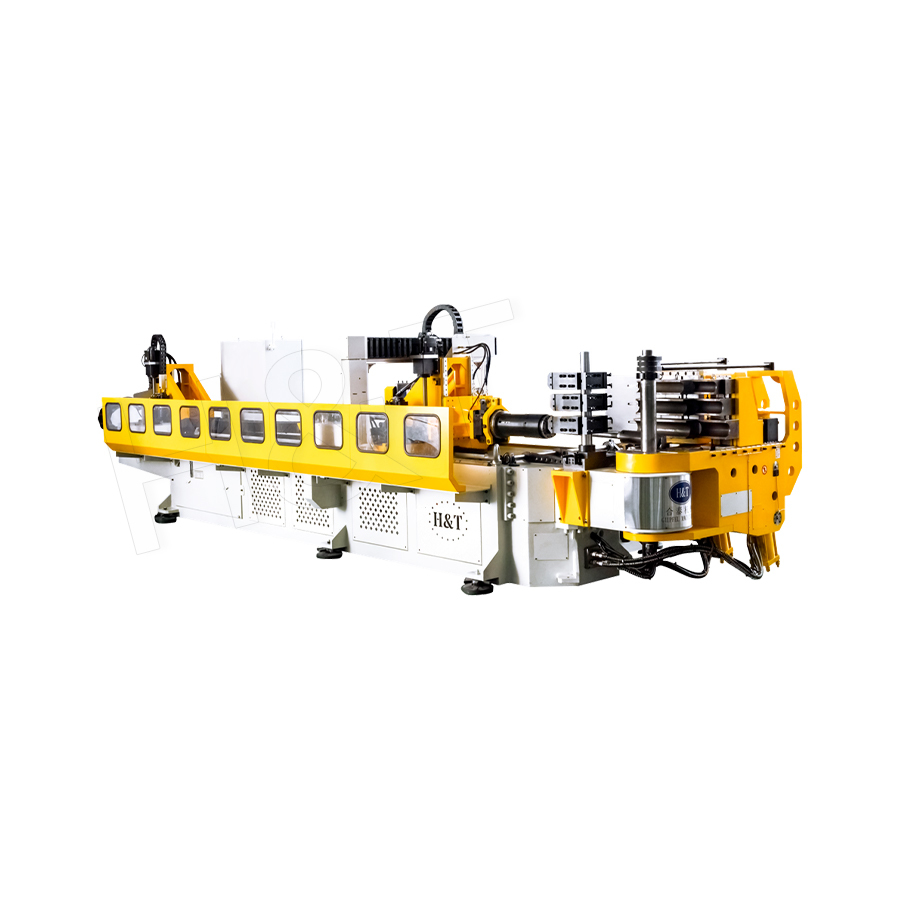 Gipfel Double/Three/Multi-Stack Die Tube BenderMulti-stack die tube bender supports up to 190° bends and multi-radius processing in one operation, reducing die changes for complex tube work.View Product →
Multi-stack tooling also changes what can be quoted. A shop that would have declined a part with five radii because the changeover burden was too high can now calculate a realistic cycle time. The machine becomes a capability, not just a capacity tool. If you need a refresher on the variables that affect bend quality, review this CNC bending overview.
Why One Setup Beats Multiple Machines
The strongest argument for multi-stack bending is economic, but not in the way most buyers expect. The savings do not come from bending faster in a single stroke. They come from removing non-value-added time around the bend. Every tooling change consumes labor, risks setup scrap, and consumes floor space with work-in-process. Every additional machine adds another fixture, another program, another operator touch, and another maintenance schedule.
| Factor | Single-stack tooling | Multi-stack tooling |
|---|---|---|
| Tooling changes per multi-radius part | One or more per radius | Usually none during the cycle |
| Datum continuity | Reset after each change | Held in one setup |
| Setup scrap risk | Rises with each change | Concentrated at first setup |
| Floor space for work-in-process | Higher | Lower |
| Operator skill demand | High for repeated dialing | High for programming and first setup |
| Best fit | Simple parts, low radius count | Complex parts, tight tolerance, mixed batches |
That does not mean a multi-stack machine is automatically more productive. If the part has one bend and a generous tolerance, a simple single-head bender will often deliver a better return. The decision turns on part geometry, batch size, and the cost of a setup error. A multi-stack machine earns its keep when the part has enough bends and radii that setup time is a meaningful share of the total cost.
Accuracy, Springback, and Multi-Radius Work
Springback is the reason multi-radius work gets difficult. Every material, wall thickness, and bend radius has its own springback behavior. When a part moves between machines, the second operation may compensate for springback with a different assumption than the first. The result is a part that meets each bend individually but fails at the assembly fixture.
A multi-stack CNC bender keeps the compensation model inside one controller. The software can store a separate springback value, bend allowance, and mandrel position for each tool set. When the part moves from radius A to radius B, the controller does not start from a generic default. It starts from the measured behavior of that material lot.
This is also where full-servo architecture matters. Electric axes can repeat a position without hydraulic drift, and they can make small corrections without changing the entire machine's thermal state. For 3D parts, where the plane of a bend rotates in space, that repeatability is the difference between a predictable process and a scrap bin full of almost-right tubes.
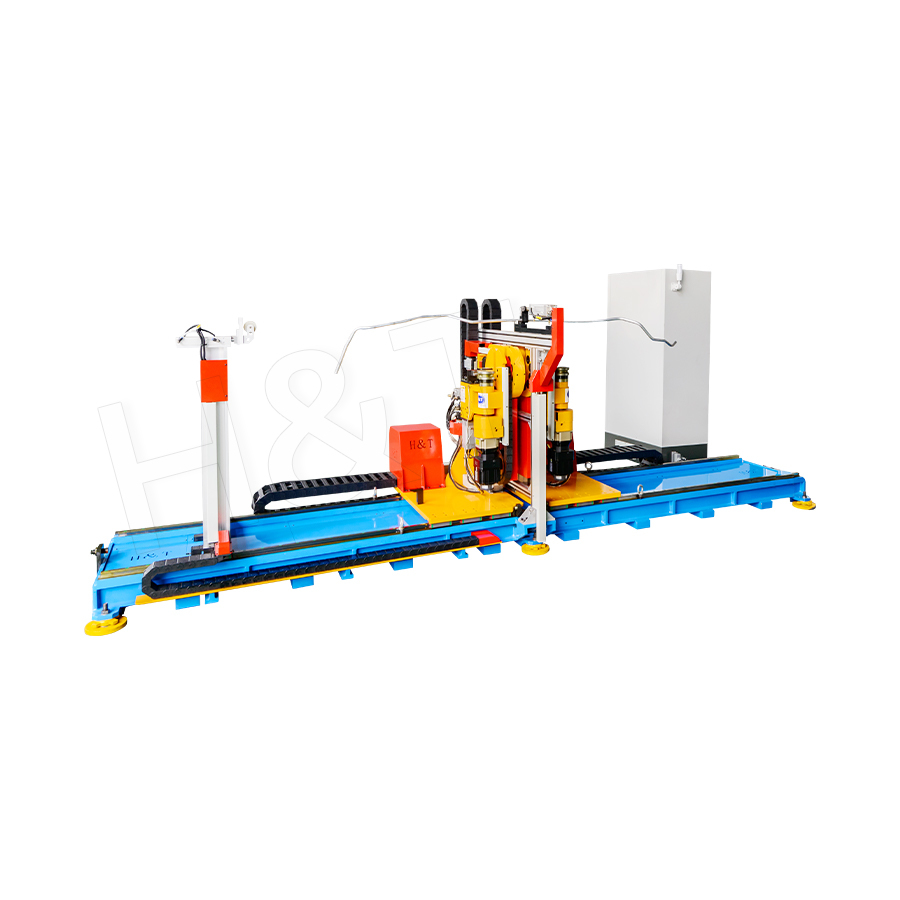 3D Double-Head Full-Servo Tube Bending MachineAll-electric double-head bender with servo repeatability and CNC control handles up to 180 mm pipes and 300 bend points per tube.View Product →
Multi-stack tooling and servo control are complementary. The tooling provides the mechanical capability to reach several radii without stopping. The control provides the numerical intelligence to make each radius correct on the first part and repeatable on the thousandth.
Changeover Time and Operator Skill
Tooling changeover is often measured in hours, not minutes. On a single-stack machine, a two-radius changeover may take 30 to 90 minutes depending on die weight, mandrel length, and the need to re-qualify the first part. A multi-stack machine can reduce that to a program selection and a quick verification. The operator still checks the first article, but the machine has already preserved the geometry relationship between tools.
There is a common misconception that multi-stack bending reduces the need for skilled operators. It changes where the skill is needed. The first setup and programming stage becomes more demanding because the engineer must plan tool sequencing, interference, and springback compensation across several radii. Once that plan is validated, the production stage is more forgiving. A competent operator can run the machine without becoming a tooling specialist for every changeover.
For shops that run high-mix, low-volume work, that shift is valuable. The bottleneck moves from the shop floor to the process planning office. That is usually a better place for it, because process planning can be simulated, standardized, and improved without stopping the machine.
Where Multi-Stack Bending Fits Best
Multi-stack CNC tube bending is not a universal answer. It fits parts where several radii, bend planes, or end features must be held to a common datum. Typical examples include fluid transfer lines with multiple bends, structural tubes with tight hole-to-bend relationships, and assemblies where a flange or fitting must align after bending. It also fits production cells that cannot afford a large work-in-process buffer between operations.
It is less compelling for single-bend parts, very long tubes that exceed the machine's tooling capacity, or jobs where the material is so inconsistent that each bend needs manual adjustment. In those cases, a simpler machine with a lower capital cost may be the better commercial choice.
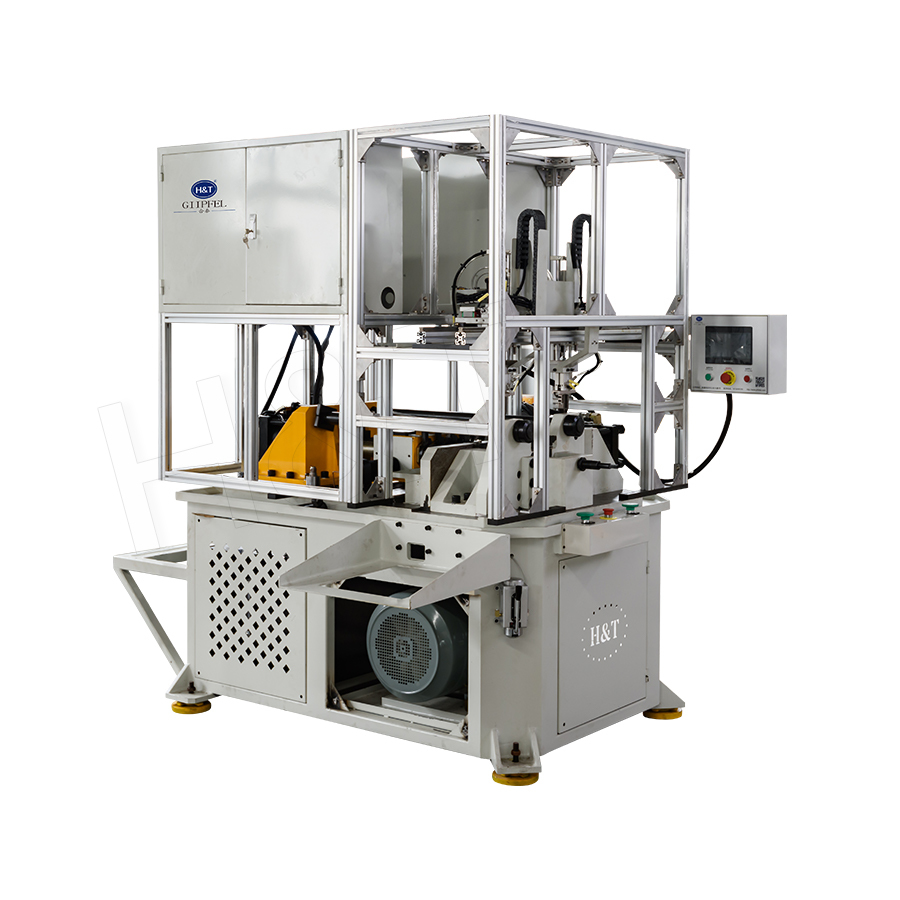
 Multi-Station Continuous Die Tube Bending MachineFully electric dual-head bender uses continuous multi-station dies for high-volume multi-bend tube production with PLC control and customizable stations.View Product →
A multi-station continuous die bender extends the same logic to higher volume. Instead of selecting between stacked tool sets, the part moves through a sequence of dies that form each bend in a controlled progression. That approach is common in parts with a stable design and a demand profile that justifies dedicated tooling.
How to Evaluate a Multi-Stack Machine
Buyers should start with the part, not the machine. List every bend radius, bend angle, bend plane, wall thickness, and material condition. Then ask how many tool sets must be active and whether the machine's stack capacity can hold them without interference. A machine that can theoretically hold four stacks may only be able to use three for a specific part because of clamp clearance or mandrel length.
Next, examine the controller. The software should allow independent springback compensation per tool, collision checking, and easy program duplication. It should also export setup data so the first article can be measured and fed back into the program. A multi-stack machine without that feedback loop is just a more expensive single-stack machine.
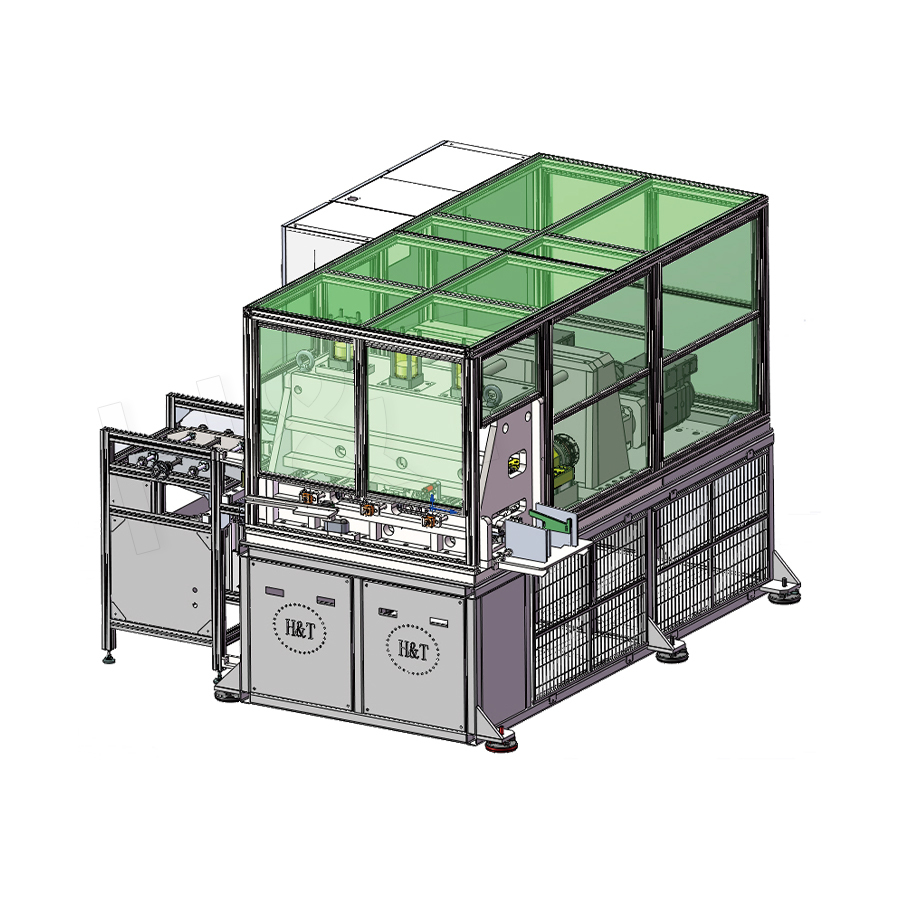
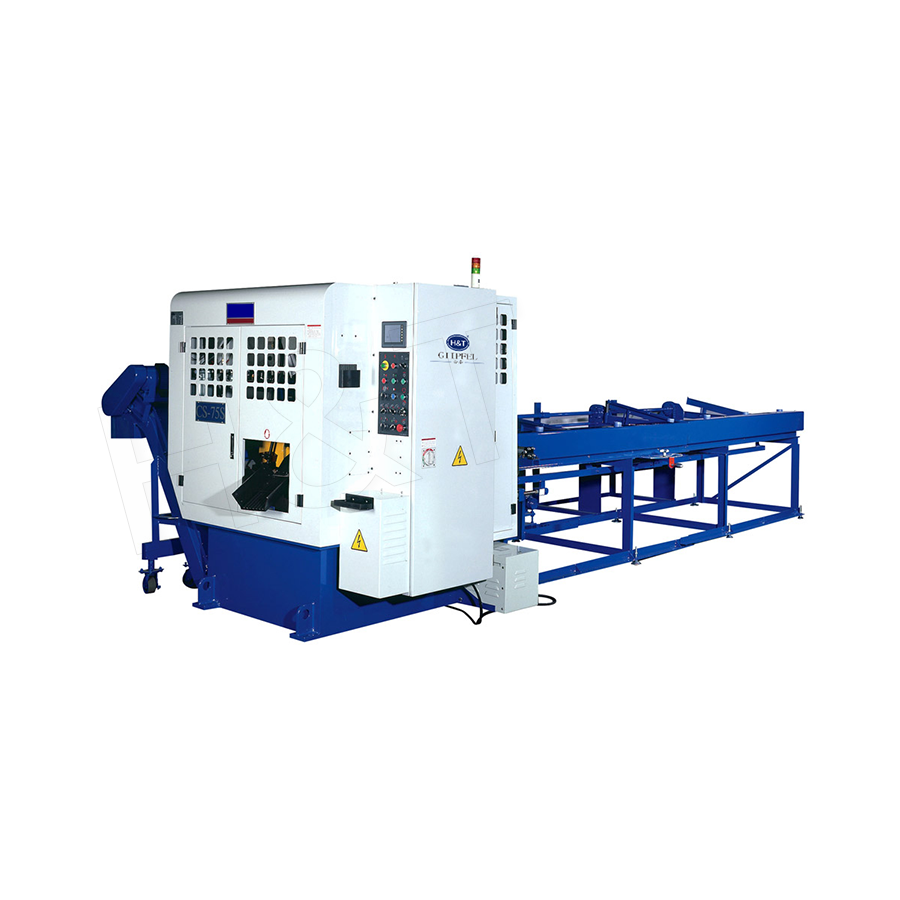
Finally, look at the builder's process capability. A machine is only as good as the alignment of its tooling axes, the rigidity of its frame, and the consistency of its assembly. Ask about factory acceptance testing, run-off procedures, and how the builder measures a multi-radius part. Gipfel Precision Machinery, operating as Nantong Gipfel, builds tube forming equipment with in-house machining, welding, assembly, and FAT/SAT testing. The company reports a 90 to 120 day delivery cycle and a research team that has developed more than 20 software packages and 50 national design patents. Those facts are worth verifying during a supplier audit, but they point to the right questions: who controls the geometry, and how do they prove it before the machine ships?
Common Misconceptions
- Multi-stack always means lower cost per part. It lowers cost only when setup and handling are a significant share of the total.
- More stacks are always better. Interference, clamp access, and mandrel support limit how many tool sets can work on a real part.
- Programming is simpler because the machine is more automated. The planning stage becomes more complex, not less.
- Multi-stack bending removes the need for first-article inspection. It reduces the number of setups to inspect, but the first part still has to be verified.
- Any CNC bender can be upgraded with stacked tooling. Stack capacity, axis configuration, and control software must be designed for it from the start.
The most expensive mistake is buying multi-stack capability for parts that do not need it. The second most expensive mistake is buying a single-stack machine for a part family that will never run profitably because of changeover time. The analysis should be based on real cycle data, not catalog specifications.
Final Thoughts
A multi-stack CNC tube bender is best understood as a setup reduction tool. It keeps several radii and tool sets available in one machine, preserves datum continuity, and lets the controller compensate for springback across the whole part. For complex, tight-tolerance tube work, that can turn an unquoteable job into a repeatable process. For simple parts, it can be an overinvestment.
The right decision comes from mapping the part family against changeover time, tolerance, and volume. If the numbers show that setup dominates, multi-stack tooling is worth a serious look. If they do not, a well-built single-stack machine will do the job with less capital and less programming complexity. To discuss your tube forming requirements, contact our team and bring the part drawings, material data, and target cycle time.
Featured Products
A Complete Range of Tube Processing Solutions
Precision Tube Bending
 Ready To Customise
Your Bent Tube Products?

Ready To Customise Your Bent Tube Products?
Proprietary software, smart control systems, and 50+ patents ensure more efficient and intelligent production at every step.
Copyright © 2025 by Gipfel Precision Machinery Co.,Ltd All Rights Reserved. Privacy Precision Tube Machinery Manufacturer | Pipe Forming, Cutting, End Forming Solutions
