

 简体中文
简体中文 English
 日本語
日本語 한국어
한국어 Español
 русский
No. 196, Lifa Avenue, Haian City, Nantong, Jiangsu Province, China

News Category
Product Category
Who Can Form with a CNC Pipe Bender: Materials, Operators, and Machine Limits
A shop supervisor holds a bent tube that missed its centerline by 1.5 mm. The CNC pipe bender did not alarm. The program ran. The operator followed the setup sheet. Yet the part failed inspection. The real question was not whether someone could press cycle start, but who could form that tube correctly with the tooling, material, and tolerances at hand.
The short answer: almost any trained operator can run a CNC pipe bender, but the ability to form a specific part depends on a team of people, a set of machine capabilities, and a material that cooperates. This article explains who can form what, and why the limits usually come from tooling and process knowledge rather than the machine controller.
Content
- 1 The Short Answer: Who Can Form with a CNC Pipe Bender
- 2 What a CNC Pipe Bender Can Actually Form
- 3 The People Behind the Machine
- 4 Machine Capabilities That Expand or Limit Who Can Form What
- 5 Industries Where CNC Pipe Bending Is Common
- 6 Procurement and Specification Considerations
- 7 Common Risks and How to Reduce Them
- 8 Final Thoughts
The Short Answer: Who Can Form with a CNC Pipe Bender
Trained machine operators, setup technicians, and process engineers can all form parts with a CNC pipe bender. In practice, the machine does not care about job titles. It cares about bend radius, wall thickness, material ductility, springback compensation, and tooling condition.
If you are asking who can form a particular tube or profile, the honest answer is: anyone who can answer four questions. What material is it? What wall thickness? What centerline radius? And what tolerance does the finished part require?
When those answers are clear, a competent operator can produce repeatable bends. When they are missing, even an experienced programmer will struggle, because the CNC controller can only compensate for variables that are known and measured.
What a CNC Pipe Bender Can Actually Form
CNC pipe benders form metal tubes and profiles by rotating a bend die while a carriage pushes the material forward. The process suits round tube, square tube, rectangular profile, and some extruded shapes. The material and wall thickness set the practical limits.
Materials That Bend Well
Mild steel, stainless steel, aluminum, copper, and brass are common. Titanium and some high-strength alloys can be formed, but they demand tighter process control and often require mandrel bending to prevent flattening or wrinkling.
| Material | Typical formability | Main risk |
|---|---|---|
| Mild steel | Excellent | Springback variation |
| 304 stainless | Good with mandrel | Work hardening and cracking |
| 6061 aluminum | Good | Surface marking and ovality |
| Copper | Excellent | Wall thinning on tight radii |
| Titanium | Moderate to difficult | Springback and tool wear |
Profiles and Geometries
Round tube is the most forgiving. Square and rectangular profiles need careful die support to avoid collapsing the sidewalls. Multi-radius and three-dimensional bends are possible when the machine has enough axes and the tooling can clear the part.
The People Behind the Machine
Four roles usually determine whether a CNC pipe bender forms parts successfully.
Operators
Operators load material, call programs, monitor bend quality, and make small adjustments. They need to recognize springback, ovality, and marks on the tube. A good operator catches a drifting bend before the whole batch is scrap.
Setup Technicians
Setup technicians change dies, set mandrels, adjust the carriage, and verify the first article. They translate the part drawing into a repeatable process. Their skill with tooling clearance and lubrication often matters more than the CNC control brand.
Programmers and Process Engineers
Programmers create the bend sequence and compensation values. Process engineers decide whether a part should run on a single-head machine, a double-head machine, or a fully automated line. They also set inspection frequency and tolerance limits.
If you want a deeper explanation of how the machine interprets these inputs, see this overview of CNC bending fundamentals.
Machine Capabilities That Expand or Limit Who Can Form What
A basic NC bender can form simple one-plane bends in light tube. A CNC bender adds servo control, multi-axis interpolation, and stored programs. That difference decides whether you can run complex parts without constant manual adjustment.
For one-plane work with consistent accuracy, a single-direction full-servo machine is often enough. It suits job shops that need fast changeover and repeatable angles without a large footprint.
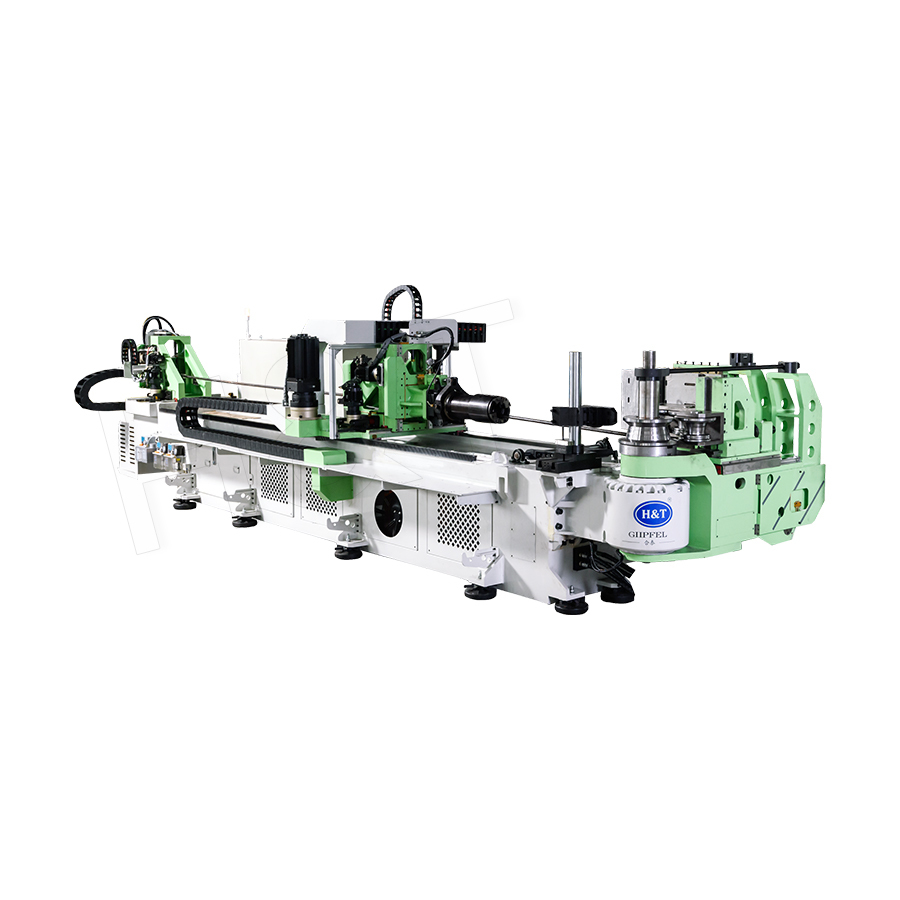 Gipfel Single Direction Full-Servo CNC Single-Head Pipe Bending MachineAll-electric unidirectional bender for high-precision pipes and profiles, with models from CNC15 to CNC220 and positioning accuracy up to ±0.05 mm.View Product →
When parts require two bends on different planes, or when you need to produce left and right bends without flipping the tube, a double-head machine with independent heads changes the workflow. It reduces handling and improves concentricity between bends.
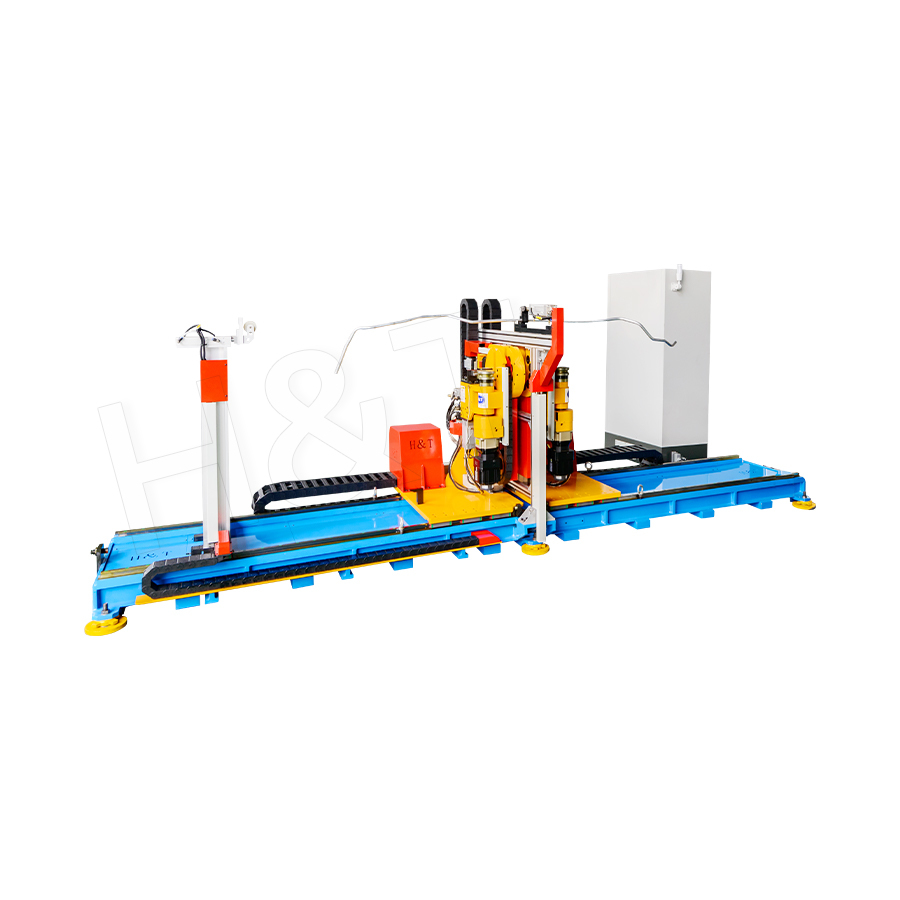 3D Double-Head Full-Servo Tube Bending Machine for Long Fine PipesAll-electric double-head synchronous bender for automotive, machinery, and air-conditioning tubes, supporting up to 180 mm diameter, 180° bends, and 300 bend points.View Product →
Heavy wall tube and large diameters push into another category. These parts need higher clamping force, stiffer machine frames, and tooling that can resist deflection. A heavy-duty bender is not just a stronger version of a light machine. It changes what wall thickness and radius combinations remain feasible.
Industries Where CNC Pipe Bending Is Common
CNC pipe bending appears wherever metal tube carries structure, fluid, or force. Common examples include automotive exhaust and chassis components, furniture frames, medical equipment carts, exercise machines, agricultural implements, and HVAC refrigerant lines.
Each industry brings its own tolerance culture. Automotive suppliers may work to plus or minus 0.5 mm on centerline distance. Furniture makers may accept plus or minus 2 mm but care deeply about surface finish. Medical and food equipment often require documented cleaning and material traceability.
The industry also affects who can form the part. A shop that runs thin-wall aluminum furniture tube may not have the tooling or experience for thick-wall stainless exhaust tube. The machine may be similar, but the process knowledge is not transferable without training.
Procurement and Specification Considerations
Buying a CNC pipe bender is not like buying a lathe. The machine is only half the system. Tooling, mandrels, wiper dies, and clamping jaws are part-specific. A machine quote without tooling scope can mislead you on total cost and lead time.
Ask these questions before you commit:
- What is the maximum wall thickness for the intended material at the required bend radius?
- Does the machine need a mandrel for the tightest bend, and is there space for it?
- How many axes are needed for the part geometry, including carriage and bend head rotation?
- What is the expected cycle time, including load and unload?
- What tolerances can the machine hold after springback compensation?
For thick-wall or large-diameter work, a heavy-duty tube bender with a rigid frame and high clamping force is usually the safer specification.
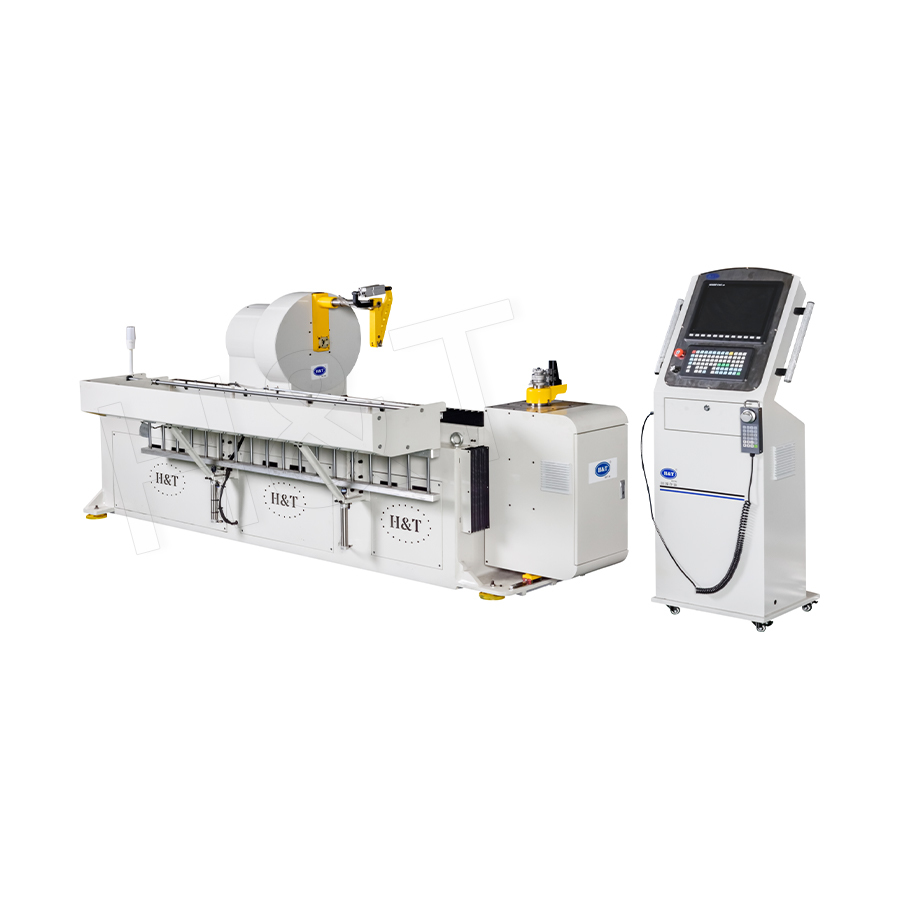
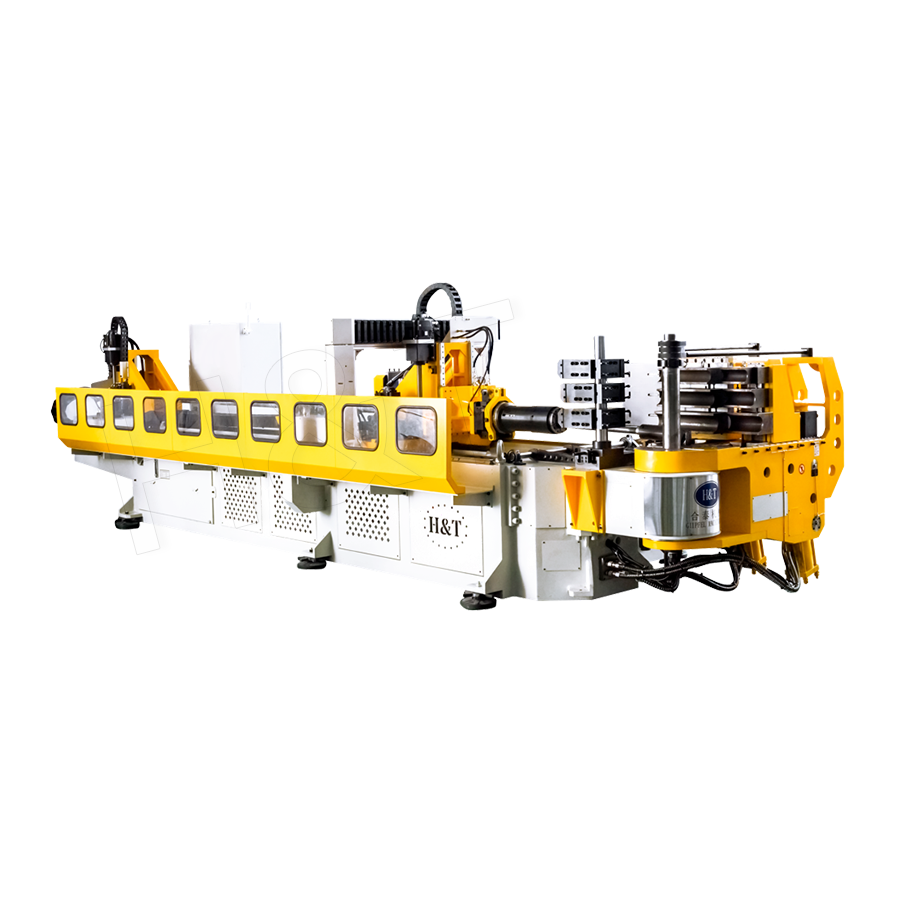 Heavy Duty CNC Tube Bending Machine for Thick-Wall Large-Diameter FormingFully servo-driven three-axis bender with HeTai6.0 CNC software, 3D preview, interference simulation, and 4 m maximum core length for large-span tubes.View Product →
Delivery and service also matter. Custom tooling can take weeks. A machine that arrives without verified tooling may sit idle. Ask for a first-article run on your material before shipment, and confirm that spare dies and mandrels are available.
Common Risks and How to Reduce Them
Most forming problems trace back to one of four causes. The material is outside the expected hardness range. The tooling is worn or mismatched. The springback compensation is based on a different heat lot. Or the operator was not trained on the specific part family.
Reduce risk by measuring incoming material, keeping a first-article sample for reference, and documenting the exact die set and mandrel position for each part number. A short setup sheet with photos prevents small changes from becoming large quality problems.
If a bend fails, do not immediately change the program. Check the tube wall thickness, the mandrel lubrication, and the die condition first. Those three checks solve more bending issues than controller adjustments.
Final Thoughts
Who can form with a CNC pipe bender? Trained operators, skilled setup technicians, and process engineers working together. The machine provides repeatability, but the people and the tooling decide whether a part forms within tolerance.
If you are evaluating a new tube bending project, start with the material, wall thickness, and bend radius. Then match those facts to the right machine class and tooling package. You can contact our team to review your part drawings and confirm whether a single-head, double-head, or heavy-duty CNC bender fits the work.
Featured Products
A Complete Range of Tube Processing Solutions
Precision Tube Bending
 Ready To Customise
Your Bent Tube Products?

Ready To Customise Your Bent Tube Products?
Proprietary software, smart control systems, and 50+ patents ensure more efficient and intelligent production at every step.
Copyright © 2025 by Gipfel Precision Machinery Co.,Ltd All Rights Reserved. Privacy Precision Tube Machinery Manufacturer | Pipe Forming, Cutting, End Forming Solutions
