

 简体中文
简体中文 English
 日本語
日本語 한국어
한국어 Español
 русский
No. 196, Lifa Avenue, Haian City, Nantong, Jiangsu Province, China

News Category
Product Category
0.3 mm to gauge: Applications, Selection Criteria, and Practical Guidance
A shop drawing arrives with a callout that reads 0.3 mm wire, 29 gauge. Purchasing orders 29 gauge, incoming inspection measures 0.286 mm, and the question becomes whether that 0.014 mm shortfall matters. For a display stand frame it does not. For a forming die running 0.02 mm clearance, it changes the whole setup.
Here is the short answer. 0.3 mm is not a gauge number in any standard system, because it falls between gauges everywhere. Round wire at 0.3 mm is closest to 29 AWG at 0.286 mm and to 31 SWG at 0.295 mm. Standard sheet steel at 0.3 mm is closest to 30 gauge at 0.305 mm. The sections below explain why those three answers differ, how to convert without a chart, and what the difference costs once material reaches the machine.
Content
- 1 The Short Answer: What Gauge Is 0.3 mm
- 2 Why Gauge Numbers Do Not Have One Fixed Meaning
- 3 How to Convert Millimeters to Gauge Without a Chart
- 4 What 0.3 mm Means on the Shop Floor
- 5 How to Specify 0.3 mm So Suppliers Cannot Guess
- 6 Measuring 0.3 mm Without Adding Error
- 7 Common Questions About 0.3 mm and Gauge
- 8 Getting 0.3 mm Right the First Time
The Short Answer: What Gauge Is 0.3 mm
Three gauge families cover nearly every 0.3 mm question. AWG handles round wire, SWG covers British wire and legacy references, and the US Standard sheet gauge is what steel mills print on a certificate. The nearest gauge in each system, and the thickness it delivers, is listed below.
| Material and standard | Nearest gauge | Nominal thickness | Difference from 0.3 mm |
|---|---|---|---|
| Round wire, AWG | 29 | 0.286 mm | 0.014 mm thinner |
| Round wire, AWG | 28 | 0.321 mm | 0.021 mm thicker |
| Round wire, SWG | 31 | 0.295 mm | 0.005 mm thinner |
| Round wire, SWG | 30 | 0.315 mm | 0.015 mm thicker |
| Sheet steel, US Standard Gauge | 30 | 0.305 mm | 0.005 mm thicker |
| Sheet steel, US Standard Gauge | 31 | 0.267 mm | 0.033 mm thinner |
| Aluminum sheet, Aluminum Association | 29 | 0.287 mm | 0.013 mm thinner |
Notice the pattern before reading further. One 0.3 mm request points to 29, 30 or 31 depending on which table is open, so a gauge number on its own is not a specification.
Why Gauge Numbers Do Not Have One Fixed Meaning
Gauge is an index, not a measurement. It carries no unit, and its value depends entirely on the table printed beside it. AWG, the American Wire Gauge, grew out of the Brown and Sharpe scale and is now the default for round electrical wire. SWG, the Standard Wire Gauge, is a British scale still quoted for wire and for some legacy tube references. Sheet metal adds a third layer, because steel, galvanized steel, stainless, aluminum, copper and brass each carry their own published values.
The systems are not interchangeable. SWG 30 is 0.315 mm while AWG 30 is 0.255 mm, a gap of 0.06 mm, or about 20 percent of the diameter. Swap standards on a 0.3 mm order and material can arrive a fifth smaller than expected.
Two rules hold everywhere. A higher gauge number means thinner material, and the steps are geometric rather than linear, so the millimeter gap narrows as the numbers climb. That is why gauge works as handy shorthand for thick stock and a risky one at 0.3 mm.
How to Convert Millimeters to Gauge Without a Chart
The AWG scale follows a fixed formula: diameter in millimeters equals 0.127 multiplied by 92 raised to the power of (36 minus n) divided by 39, where n is the gauge number. Two anchors make it usable at the machine. AWG 36 is 0.127 mm, and every six steps doubles or halves the diameter, so AWG 30 is 0.255 mm, AWG 24 is 0.511 mm and AWG 18 is 1.024 mm.
Working backward from 0.3 mm gives a fractional gauge near 28.6, which places the diameter between AWG 28 at 0.321 mm and AWG 29 at 0.286 mm, slightly nearer 29. Rounding to a whole gauge is a purchasing convenience, not a technical equivalence. If the application depends on cross sectional area, 0.286 mm carries roughly 9 percent less than 0.321 mm.
Sheet gauge has no formula. Read the table for the exact material and coating you ordered instead of assuming a steel figure transfers to aluminum.
What 0.3 mm Means on the Shop Floor
At this thickness the material form matters more than the gauge number, because wire, tube wall and sheet misbehave in different ways.
- Round wire, about 29 AWG. Feed rolls and straighteners need light pressure. A few kilograms of extra tension stretches the wire and changes its diameter before it reaches the bend.
- Tube wall, 0.3 mm. Springback is low in force but large in angle, the outer wall thins on tight radii, and a mandrel or wiper die is usually needed once the centerline radius drops below twice the tube diameter. The process basics are covered in this overview of CNC bending.
- Sheet, about 30 gauge steel. Laser cutting and shearing both leave a thin, sharp edge that burrs easily, and stepping from 30 to 31 gauge removes 0.038 mm, enough to change a hem or a fastener fit.
When wire and small tube run in the same cell, one platform can carry both and save a second setup. Gipfel builds a dual purpose bending platform for exactly this size range:
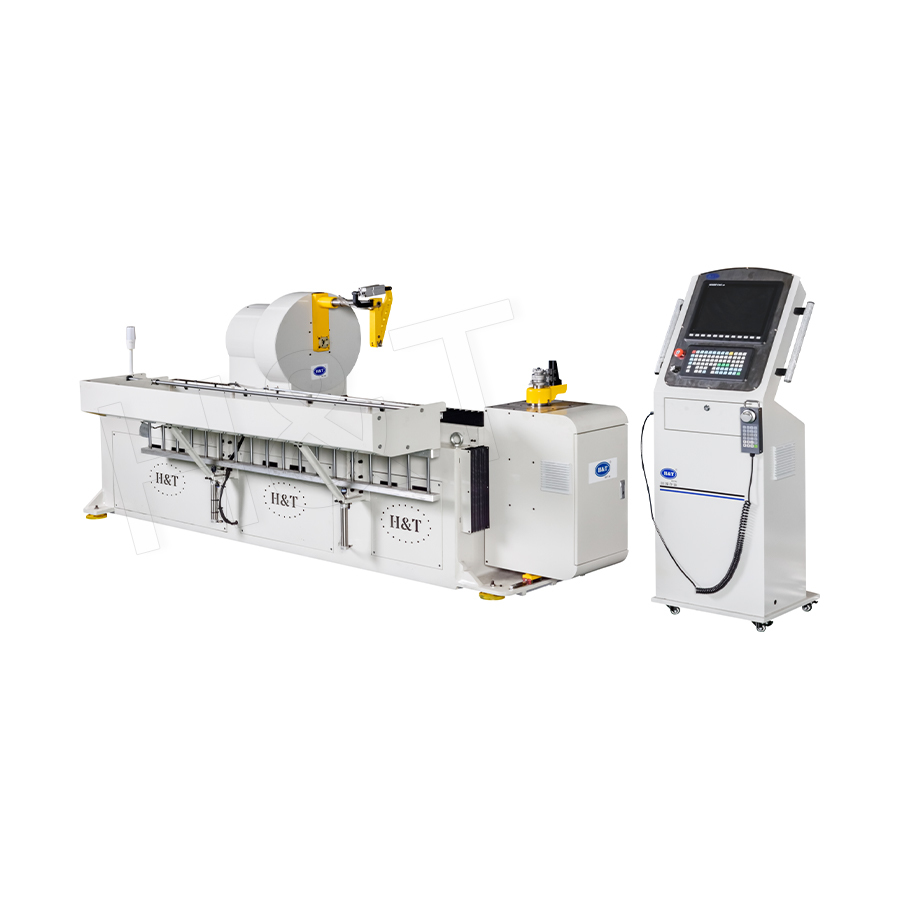 Pipe/Wire Dual-purpose CNC Bending MachineA dual-purpose CNC bending platform for pipes and wires, with automated loading, left/right bending, and adjustable radius to reduce separate setups.View Product →
Thin wall tube also punishes cutting methods that add heat or clamping force. A contact free laser cell holds the 0.3 mm wall round instead of crushing it:
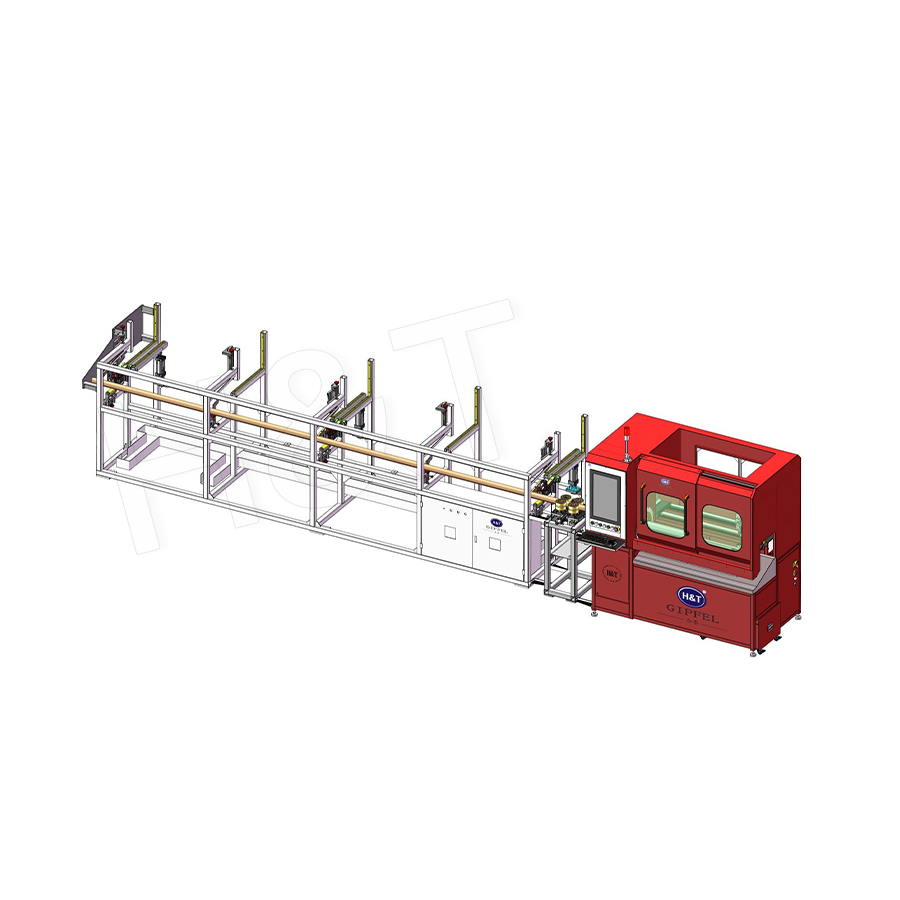 Fully Automatic 3D Tube Laser Cutting SystemA fully automatic 3D multi-axis tube laser cutting solution with modular chucks and software for beveling, grooving, and high-precision processing.View Product →
Every cutting method leaves an edge, and on a 0.3 mm wall a hand file is as likely to deform the end as to clean it. A controlled deburring step keeps the end square and the bore clear:
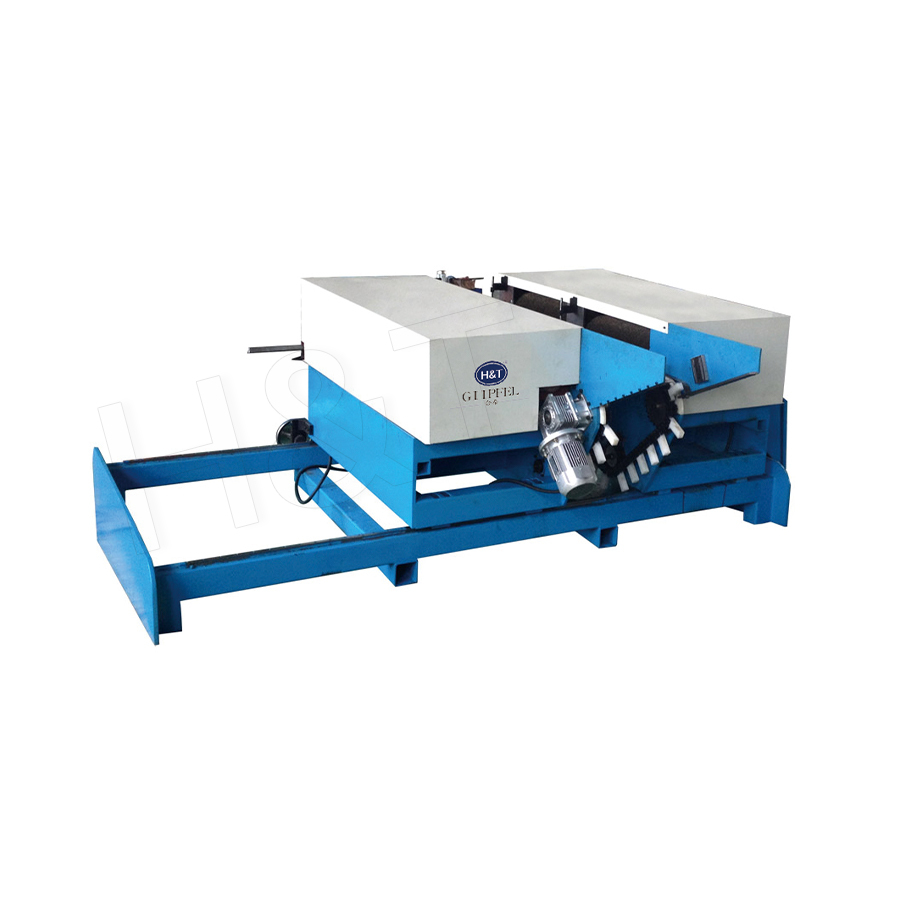 HT-100/HT-80 Tube and Pipe Deburring MachineA deburring machine for tube ends and fittings, with chain-driven nylon ramp and adjustable brush to protect surface finish in HT-100 and HT-80 models.View Product →
How to Specify 0.3 mm So Suppliers Cannot Guess
- Put the millimeter value first and the gauge second, for example 0.30 mm plus or minus 0.02 mm, approximately 29 AWG.
- Name the standard whenever a gauge appears. Write 30 gauge US Standard for steel rather than 30 gauge alone.
- State what is measured: wire diameter, tube outside diameter, tube wall or sheet thickness.
- State the coating condition. Hot dip galvanizing can add 0.05 mm or more per side, so a sheet ordered as 30 gauge may measure well past 0.3 mm after coating.
- State the basis, before or after forming, because a bent outer wall thins.
- Add the process requirement, such as laser cut and deburred, so the edge condition is agreed in advance.
Measuring 0.3 mm Without Adding Error
Calipers are the wrong tool at this range. A 0.01 mm resolution reading is easy to take and easy to get wrong, especially on soft wire. Use a micrometer with 0.001 mm resolution, take at least three readings along the length and across the width, and keep anvil pressure light. For production checks, a non contact laser micrometer removes deformation risk completely. Documentation helps as well: nominal AWG diameters are defined in ASTM B258, and steel sheet thickness tolerances are set in ASTM A568, so both the target value and the allowed band can be quoted on the same drawing.
Common Questions About 0.3 mm and Gauge
Is 0.3 mm the same as 30 gauge?
Only for certain materials. In US Standard sheet steel, 30 gauge is 0.305 mm, close enough for many jobs. In AWG round wire, 30 gauge is 0.255 mm, which is 15 percent thinner, and the nearest wire gauge to 0.3 mm is 29 AWG.
Which is thicker, 28 gauge or 30 gauge?
28 gauge is thicker. Higher gauge numbers always mean thinner material, so 28 AWG at 0.321 mm is about 12 percent larger in diameter than 30 AWG at 0.255 mm.
Can 29 AWG replace 0.3 mm wire?
Sometimes. At 0.286 mm it is 0.014 mm thinner, roughly 5 percent of the diameter and about 9 percent less cross sectional area. That is fine for decorative or low current work and usually unacceptable where current carrying capacity is specified.
Getting 0.3 mm Right the First Time
0.3 mm to gauge has three honest answers: 29 AWG for round wire, 31 SWG in the British scale, and roughly 30 gauge for standard sheet steel. None of them is exact, and that is the point. Treat the gauge number as a nickname, keep the millimeter value and its tolerance as the real requirement, and name the standard whenever the figure leaves your building. If a thin wall or small diameter part is heading for forming, cutting or end finishing, send the drawing through the contact page and have tooling clearance and process limits confirmed before the material is ordered.
Featured Products
A Complete Range of Tube Processing Solutions
-
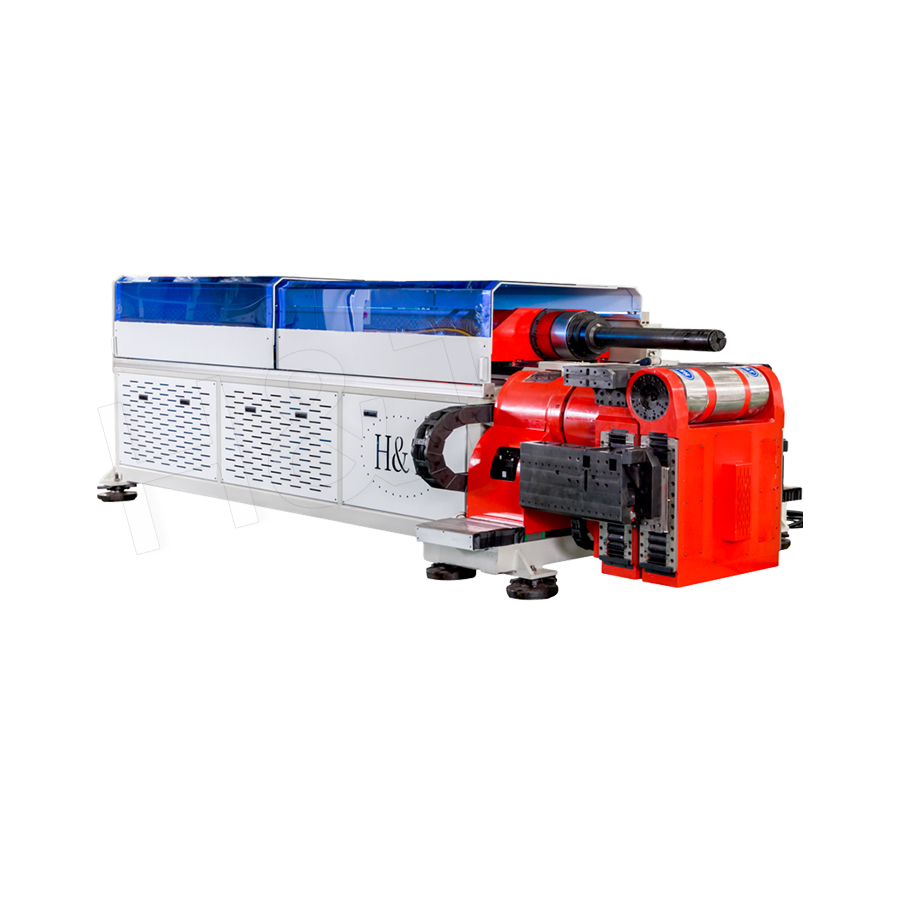 Single-head Right & Left Common sides Bending
-
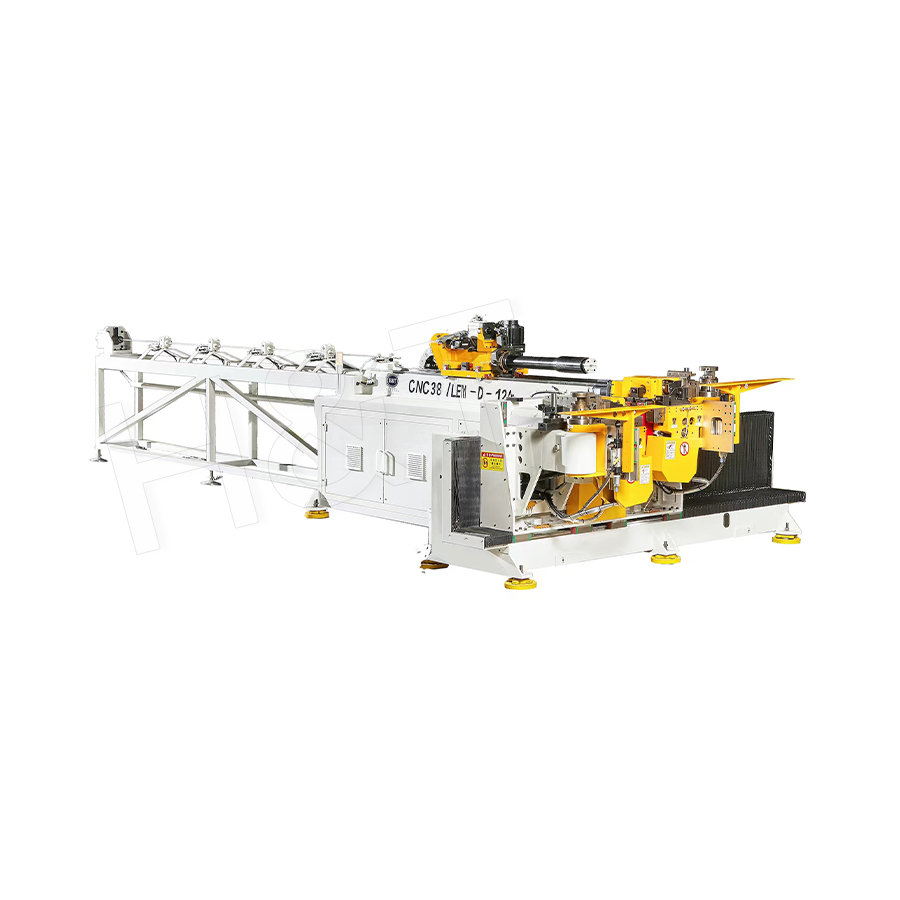 Double-head Right & Left Common sides Bending
-
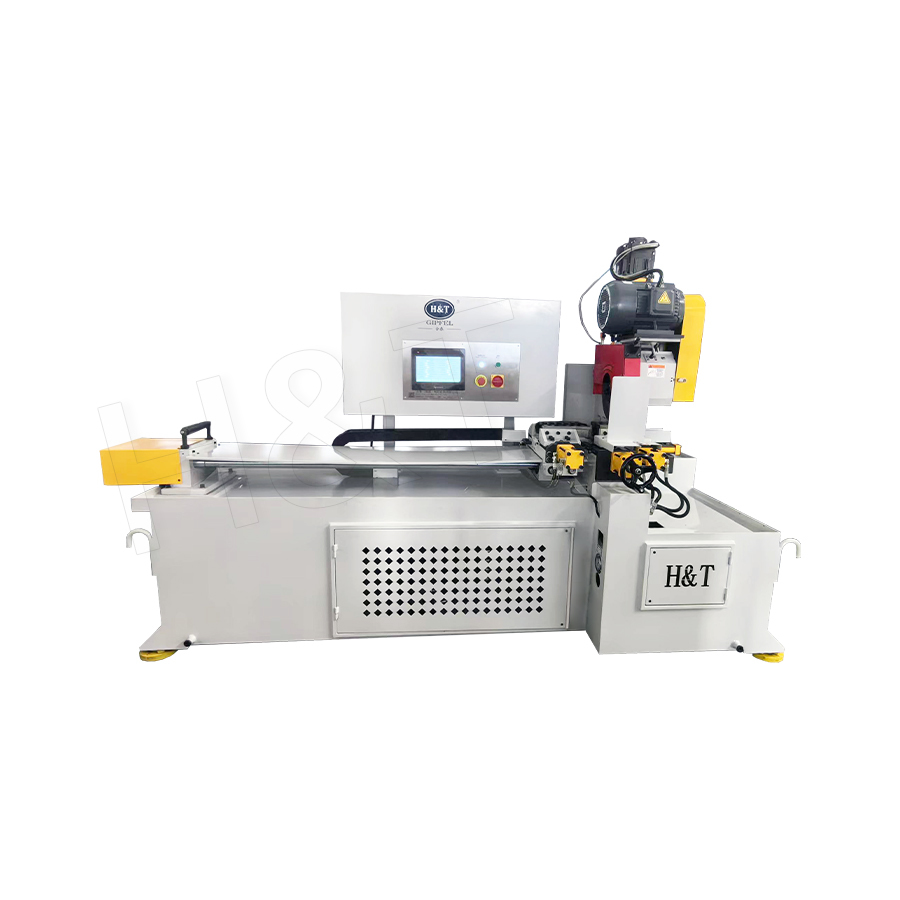 Metal Circular Saw Cutting Machine with Automatic Feeding
-
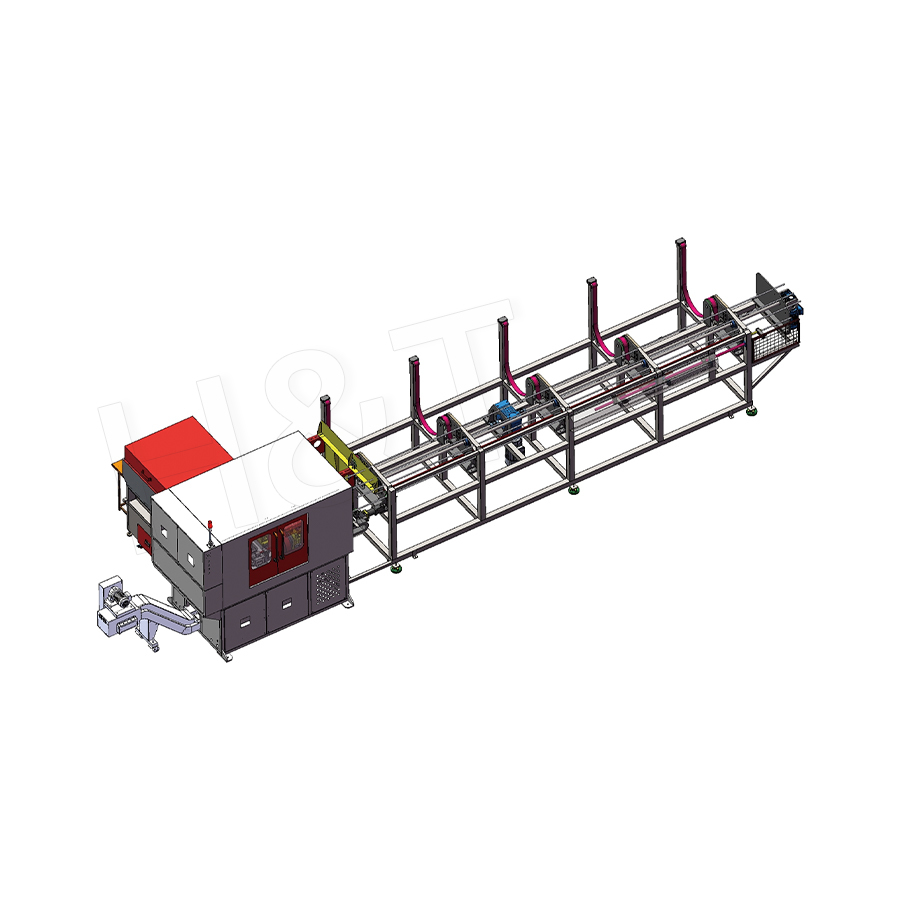 New Rotary Cutting & Chamfering Integrated Automation Line
-
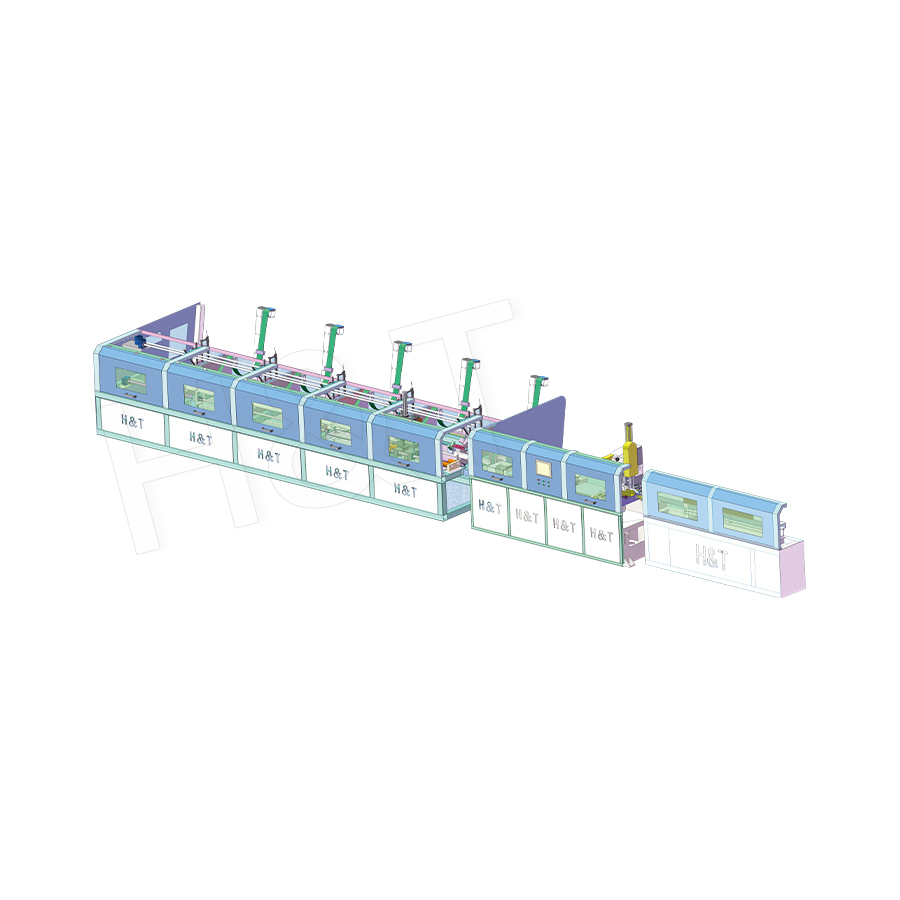 Circular Saw Cutting Automation Line
-
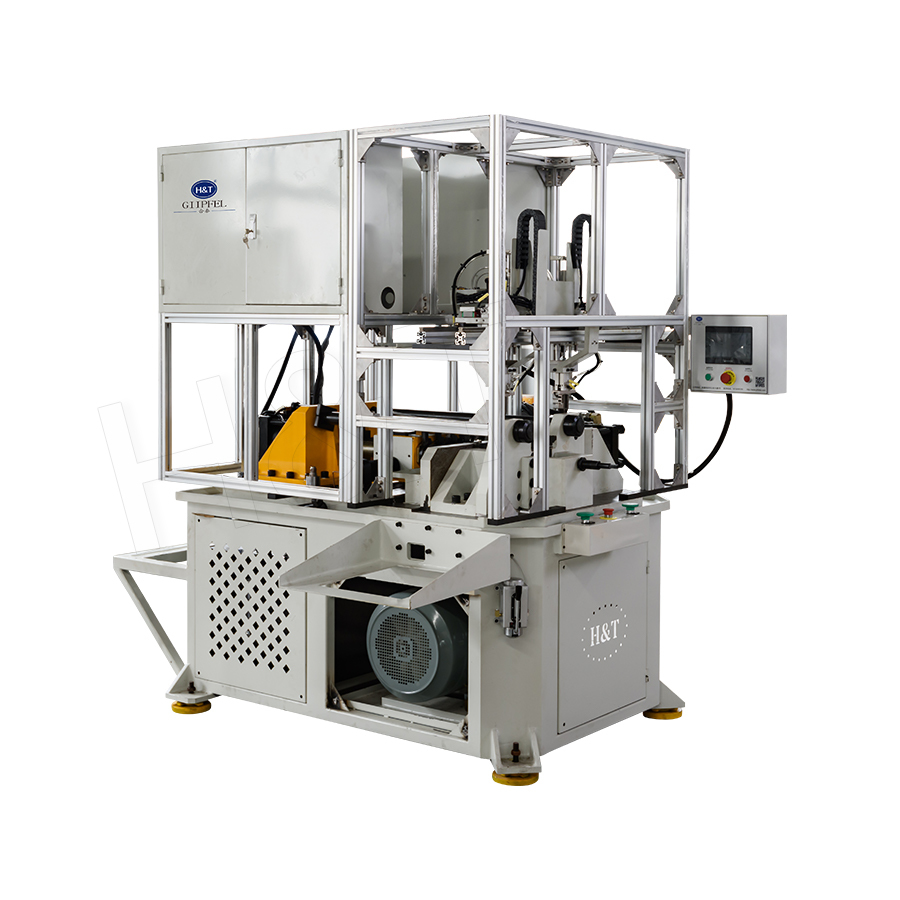 Cold Stamping Tube End Forming Single Machine Automated Unit
Precision Tube Bending
 Ready To Customise
Your Bent Tube Products?

Ready To Customise Your Bent Tube Products?
Proprietary software, smart control systems, and 50+ patents ensure more efficient and intelligent production at every step.
Copyright © 2025 by Gipfel Precision Machinery Co.,Ltd All Rights Reserved. Privacy Precision Tube Machinery Manufacturer | Pipe Forming, Cutting, End Forming Solutions
