

 简体中文
简体中文 English
 日本語
日本語 한국어
한국어 Español
 русский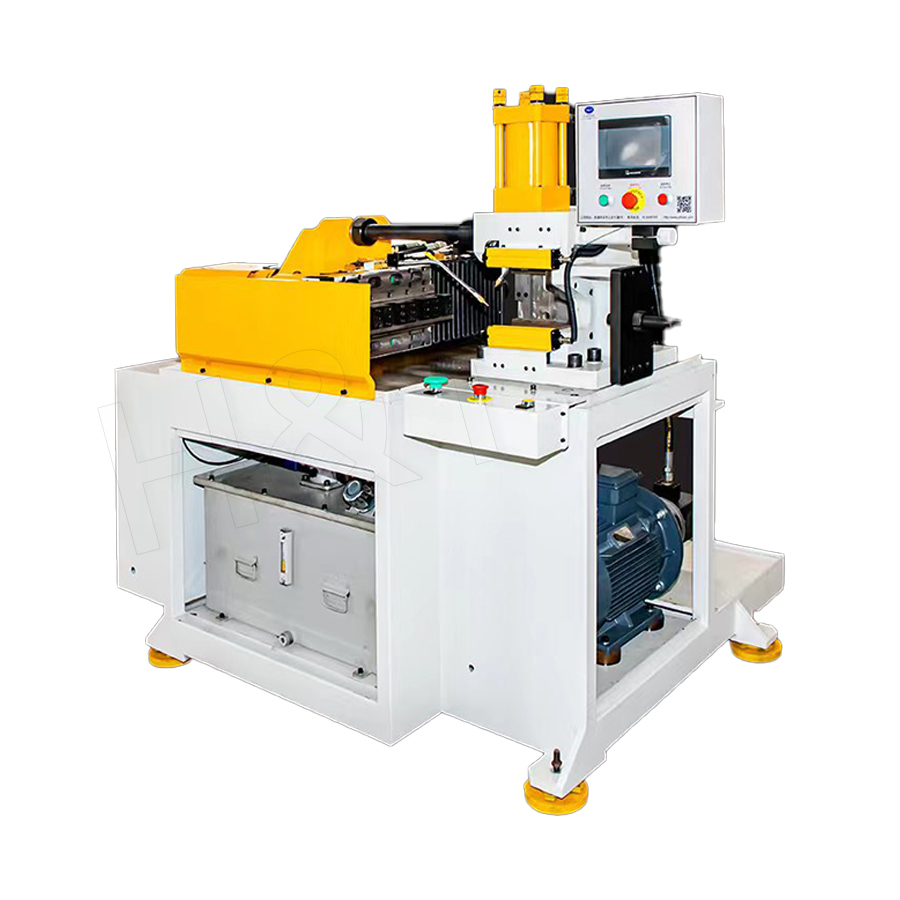
No. 196, Lifa Avenue, Haian City, Nantong, Jiangsu Province, China

News Category
Product Category
2mm to Gauge: Conversion Charts for Sheet, Wire, Tube and Needle Sizes
A shop drawing asks for a 2 mm wall on a bent steel tube. The mill confirmation says 14 gauge. The material arrives, the wall measures 1.9 mm, and the mandrel clearance calculated for a 2 mm wall no longer matches the tube on the machine. Nothing was ordered incorrectly on purpose. Gauge and millimeters simply do not describe the same thing.
The short answer: 2 mm is about 14 gauge for steel sheet, roughly 12 gauge for aluminum sheet, about 12 AWG for wire, and near 14 BWG for tube wall. Each number comes from a different gauge system built for a different material. Once you know which system applies to your part, the conversion takes seconds instead of a rejected first article.
Content
- 1 2 mm to Gauge: Quick Conversion Table
- 2 Why Gauge Has No Single Metric Equivalent
- 3 Sheet Metal: Where 2 mm Sits in Each Table
- 4 Wire: 2 mm Diameter Is Not 2 mm Squared
- 5 Tube and Pipe: Why 2 mm Is Safer Than a Gauge Number
- 6 Other Gauges That Meet 2 mm
- 7 What a 0.1 mm Difference Does on the Shop Floor
- 8 How to Convert 2 mm to Gauge Without Guessing
2 mm to Gauge: Quick Conversion Table
2 mm equals 0.0787 inch, or 78.7 mils. The table below shows the nearest gauge number in the main systems used for sheet, wire and tube, and how far each one sits from a true 2 mm.
| Material or product | Gauge system | Nearest gauge | Exact value | Deviation from 2 mm |
|---|---|---|---|---|
| Carbon steel sheet | US Standard Gauge for steel | 14 ga | 1.897 mm | -0.103 mm (-5.1%) |
| Stainless steel sheet | US Standard Gauge for stainless | 14 ga | 1.984 mm | -0.016 mm (-0.8%) |
| Galvanized steel sheet | US Standard Gauge, galvanized | 14 ga | 1.994 mm | -0.006 mm (-0.3%) |
| Aluminum sheet | Brown and Sharpe | 12 ga | 2.052 mm | +0.052 mm (+2.6%) |
| Wire, North America | AWG | 12 AWG | 2.053 mm | +0.053 mm (+2.7%) |
| Wire, UK and legacy drawings | SWG | 14 SWG | 2.032 mm | +0.032 mm (+1.6%) |
| Tube wall thickness | Birmingham Wire Gauge | 14 BWG | 2.108 mm | +0.108 mm (+5.4%) |
| Needle tubing | ISO 9626 needle gauge | 14 G | 2.109 mm OD | +0.109 mm (+5.5%) |
Read the last column carefully. 14 gauge means 1.897 mm on carbon steel sheet, 1.984 mm on stainless and 2.108 mm on tube, so a purchase order that says 14 gauge alone leaves more than 0.2 mm open to interpretation.
Why Gauge Has No Single Metric Equivalent
Gauge is a numbering habit, not a unit. Each system traces back to a trade that needed shorthand for ordering material by drawing rather than by measurement. The same number therefore means different thicknesses, and the step between adjacent numbers is not constant.
Four families cover almost every 2 mm case:
- US Standard Gauge for sheet and plate iron and steel, the default for carbon steel sheet in North America.
- Brown and Sharpe, used for aluminum, brass and other non-ferrous sheet.
- AWG and SWG, used for round wire and rod in North America and the UK.
- Birmingham Wire Gauge and mill tables, used for tube wall thickness.
A converter that returns a single number for 2 mm is only useful if you know which table produced it.
Sheet Metal: Where 2 mm Sits in Each Table
For carbon steel sheet, 14 gauge is 1.897 mm and 13 gauge is 2.278 mm, so a true 2 mm sheet falls between them and much closer to 14 gauge. When a drawing calls for 14 gauge and the mill supplies 2 mm, both sides usually accept the substitution, but the part is about 5 percent thinner than the nominal callout.
Stainless and galvanized sheet have their own 14 gauge values, 1.984 mm and 1.994 mm, both within 1 percent of 2 mm. Aluminum is the outlier. Under Brown and Sharpe, 2 mm is closest to 12 gauge at 2.052 mm, while 13 gauge at 1.829 mm is 8.5 percent light. Choosing 13 gauge aluminum for a 2 mm design is a design change, not a rounding difference.
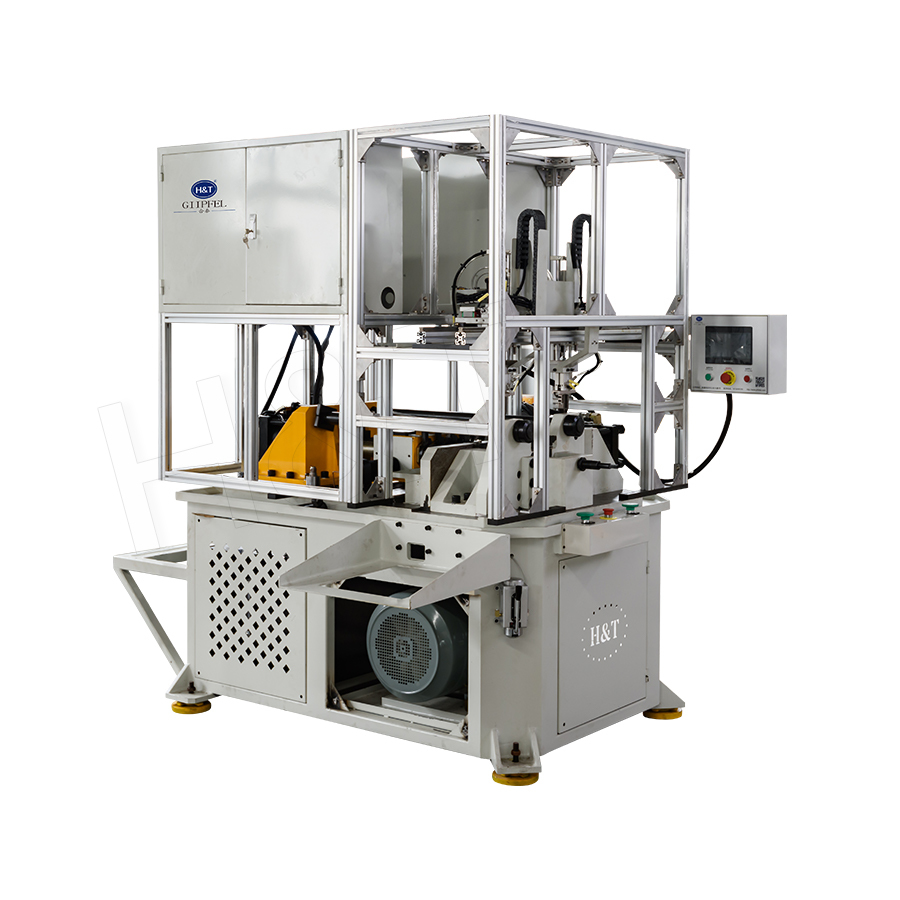
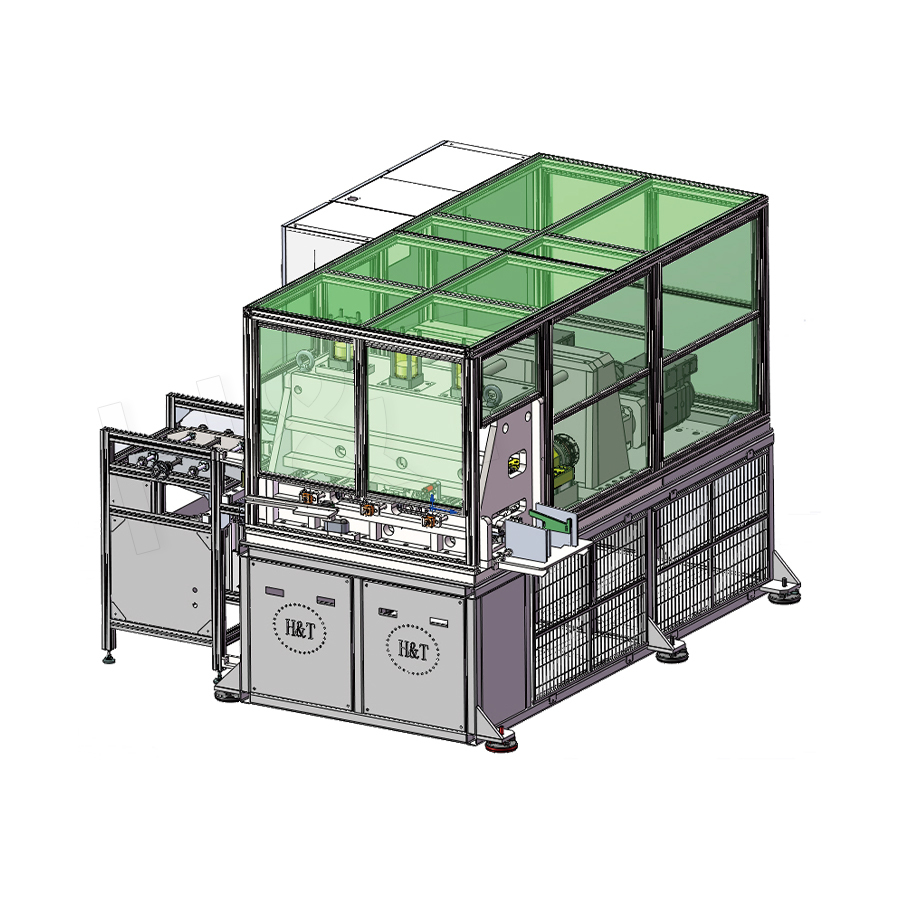
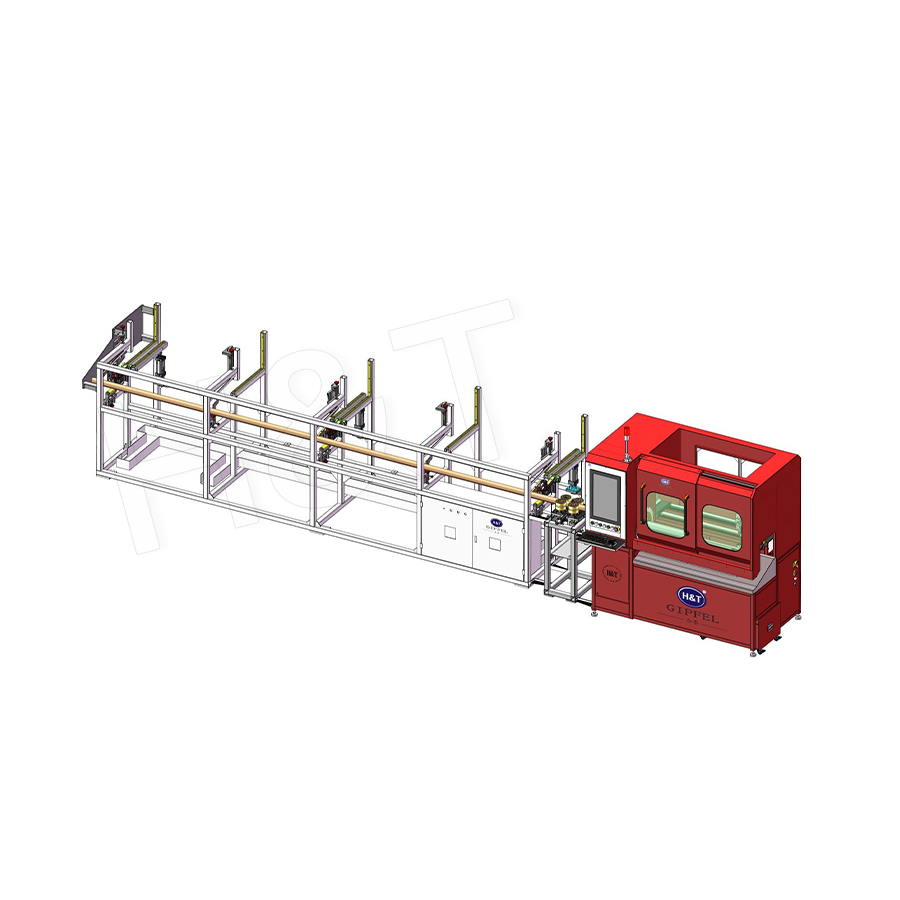 Gipfel Automatic Tube Laser Cutting and Chamfering SystemFully automated multi-axis tube laser cutting with switchable chucks supports high-precision pipe processing; relevant when thickness differences affect focus, gas, and edge quality.View Product →
Cutting is affected as well. Focus position, assist gas pressure and feed rate are set from measured thickness, and cutting a 1.897 mm sheet with a program written for 2 mm tends to leave dross or a rougher edge.
Wire: 2 mm Diameter Is Not 2 mm Squared
For solid round wire, 2 mm is 12 AWG in North America, where 12 AWG measures 2.053 mm, and 14 SWG in the UK, where 14 SWG measures 2.032 mm. The same wire carries two different gauge numbers depending on the standard behind the drawing.
Area and diameter are also easy to confuse. Electrical cable is sized by cross section, and a 2.0 mm squared conductor measures about 1.63 mm across, close to 14 AWG. A 2 mm diameter solid wire, by contrast, has a cross section of 3.14 mm squared. Ordering one when the drawing meant the other leaves you about 23 percent thinner in diameter, or 57 percent heavier for the same length.
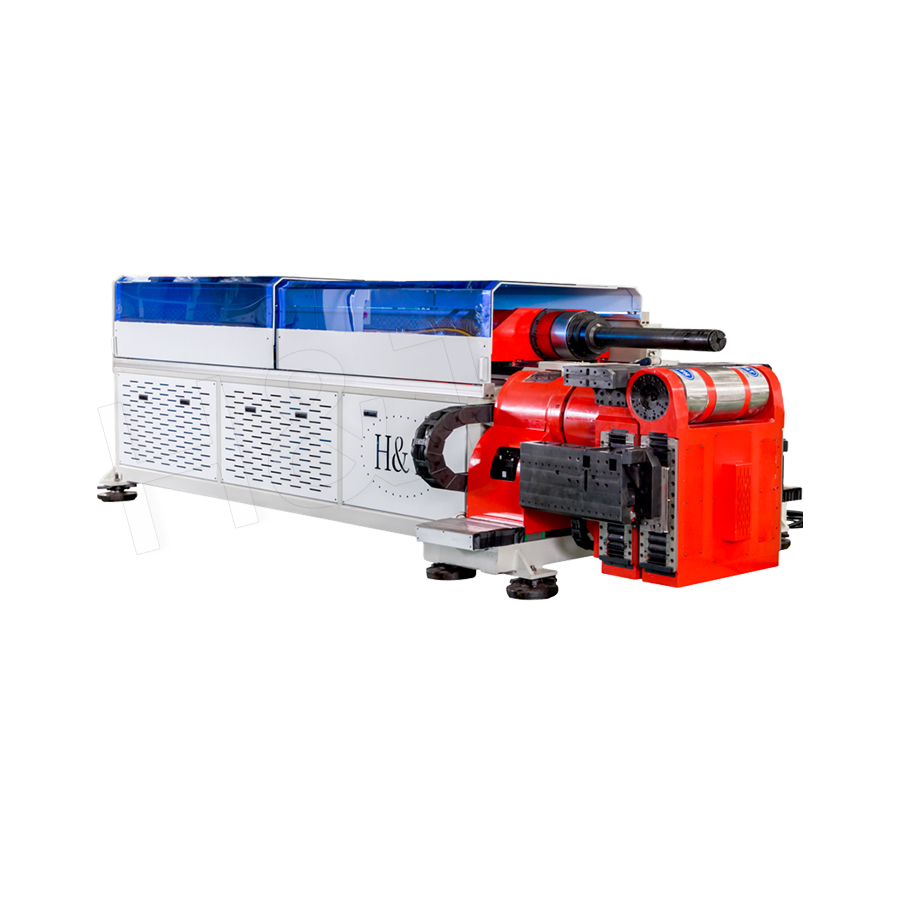
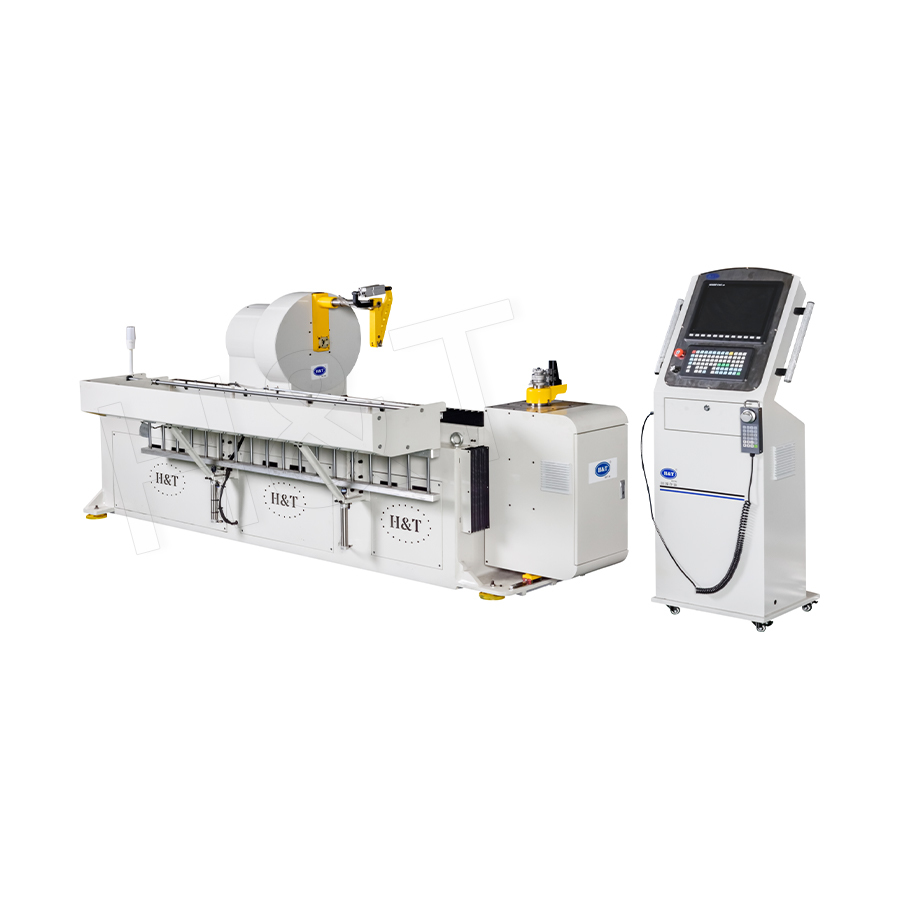 H&T Series CNC Pipe and Wire Bending MachineCNC bender for aluminum pipes, iron pipes, and metal wires with automatic loading and adjustable 10–60 mm bending radius; useful when wire diameter changes affect setup.View Product →
At the machine, wire diameter sets the feed roll groove, the bend radius available from the die and the springback compensation used to hit the final angle. A 1.9 mm wire in a program built for 2 mm relaxes differently and can drift past a 1 degree angular tolerance.
Tube and Pipe: Why 2 mm Is Safer Than a Gauge Number
Tube wall thickness causes the most trouble, because no single authority governs it. Some mills inherit numbers from sheet gauge and others follow Birmingham Wire Gauge. Under BWG, 14 gauge is 2.108 mm and 15 gauge is 1.829 mm, so a 2 mm wall sits between them, closer to 14 BWG.
| BWG gauge | Wall thickness | Difference from a 2 mm wall |
|---|---|---|
| 13 BWG | 2.413 mm | +0.413 mm (+20.7%) |
| 14 BWG | 2.108 mm | +0.108 mm (+5.4%) |
| 15 BWG | 1.829 mm | -0.171 mm (-8.6%) |
| 16 BWG | 1.651 mm | -0.349 mm (-17.5%) |
Wall thickness controls more than weight. The ratio of outside diameter to wall thickness decides whether a bend needs a mandrel and how much ovality appears at the tangent. Dropping from 2 mm to 1.829 mm raises that ratio by about 9 percent on a 25 mm tube, which is often the difference between a bend that holds its shape and one that flattens.
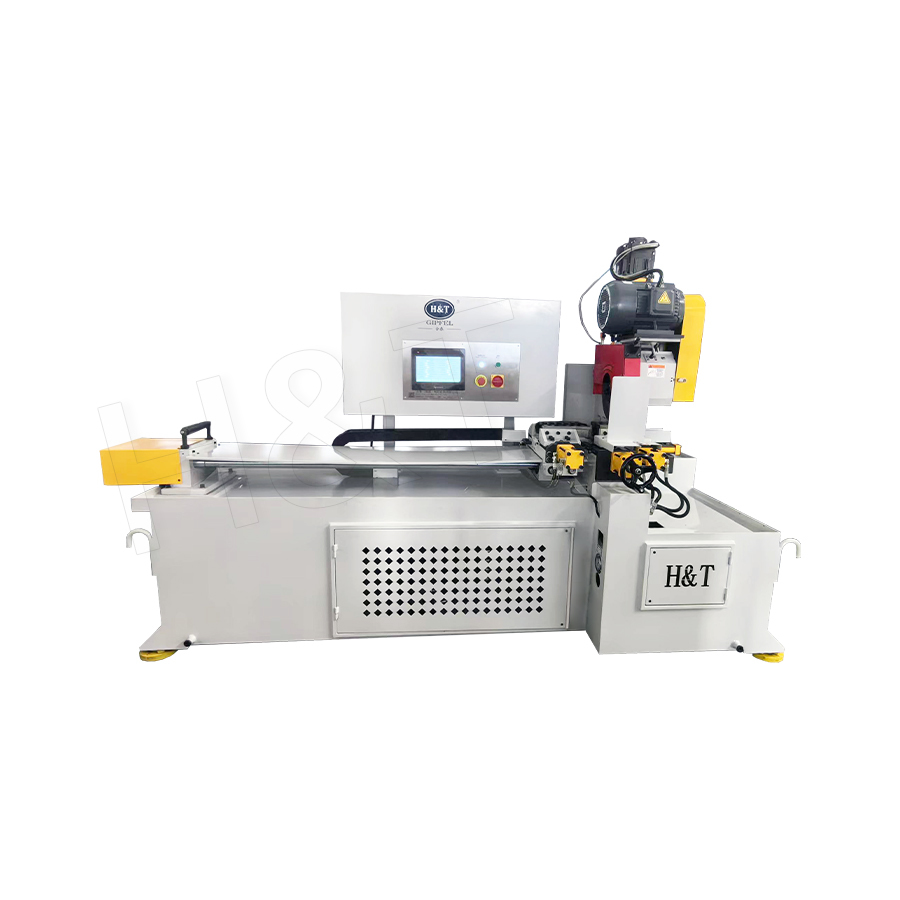
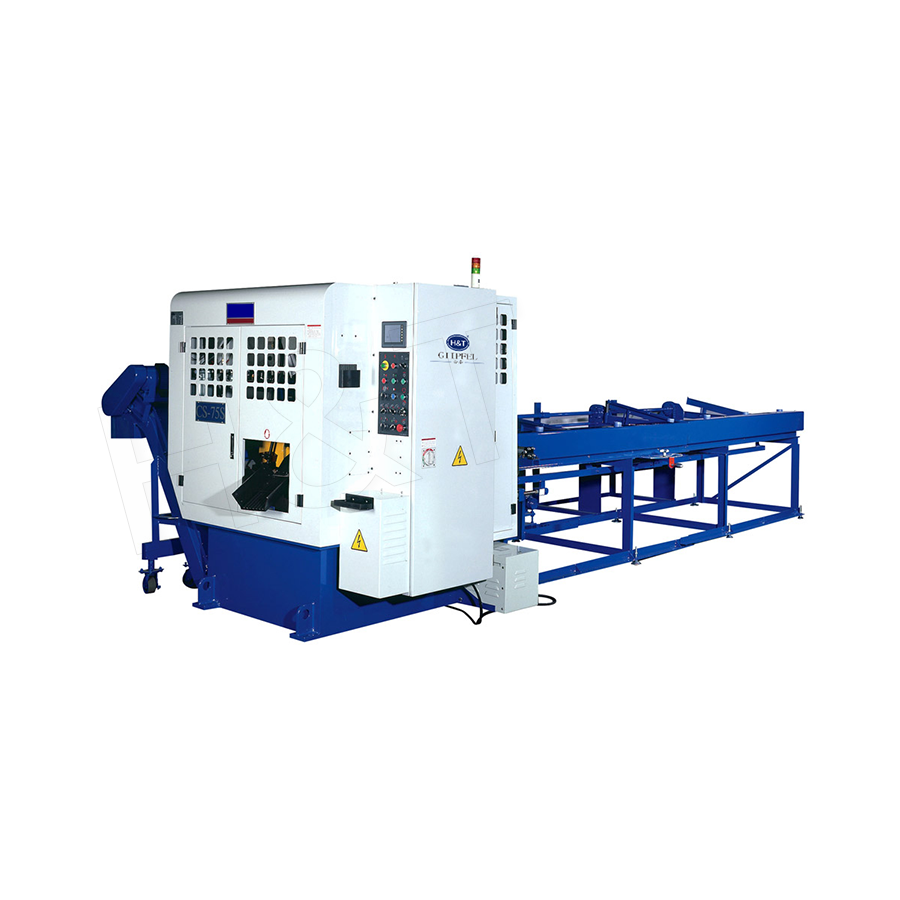 Precision Cold Saw Cutting Machine for Metal BarsFully automatic cold saw for round steel, pipes, aluminum profiles, and copper alloys, with servo feeding and carbide cutters; suits precise cuts when wall thickness varies.View Product →
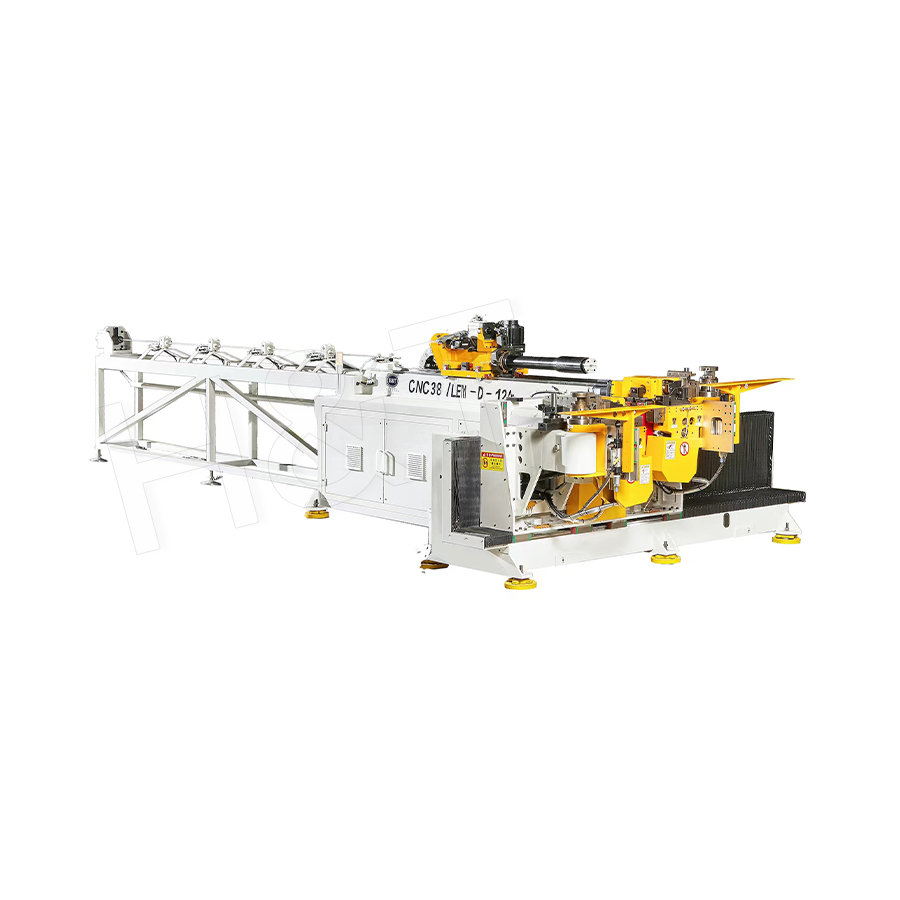
Cutting shifts too. A cold saw set for a 2 mm wall burrs differently on 1.8 mm material, and the chamfer and deburr stations downstream follow. Mixing nominal 2 mm tube with gauge numbered tube is best resolved before tooling is signed off. For the bending side of the same decision, see how CNC bending works.
Other Gauges That Meet 2 mm
Two more systems appear often enough to matter. Medical needle tubing is numbered by outer diameter under ISO 9626, where 14 G is 2.109 mm and 15 G is 1.829 mm, so a 2 mm needle tube is called 14 gauge. In film and foil work, thickness is quoted in mils or microns, and 2 mm is 78.7 mils or 2,000 microns. Because some film suppliers treat gauge as one thousandth of an inch and others as one ten thousandth, a number such as 100 gauge needs a written definition before an order is placed.
What a 0.1 mm Difference Does on the Shop Floor
A deviation of 0.1 mm sounds negligible until it reaches a real process. The usual consequences are predictable:
- Bending stiffness falls with the cube of thickness, so a 5 percent thinner wall loses roughly 15 percent of its resistance to flattening.
- Clamp dies, collets and feed rolls sized for 2 mm can slip or mark a 1.9 mm surface, especially on stainless.
- Springback shifts by a fraction of a degree, which accumulates across a multi bend part.
- Laser cut quality, saw burr height and chamfer appearance follow the measured wall, not the nominal one.
- Weight and cost follow thickness directly, so a 5 percent thinner sheet means about 5 percent less material paid for.
The quiet risk is purchasing. Three mills quoting 14 gauge may deliver 1.87 mm, 1.90 mm and 1.95 mm, all inside their own commercial tolerance. If the drawing states gauge only, the shop inherits the variation. Stating thickness in millimeters with an explicit band removes the argument.
How to Convert 2 mm to Gauge Without Guessing
A short checklist keeps the conversion honest:
- Confirm the material and the form: sheet, wire, tube, needle tubing or film.
- Identify the standard behind the drawing: US Standard Gauge, Brown and Sharpe, AWG, SWG or BWG.
- Convert the gauge value to millimeters before comparing it with 2 mm.
- Decide whether the callout is functional or nominal, and keep the millimeter value controlling if it is functional.
- Put a tolerance band on the purchase order, for example 2.0 mm plus or minus 0.05 mm.
- Check the mill certificate or measure the first delivery before releasing the tooling program.
Two minutes of verification at quotation is cheaper than a first article that fails on thickness.
2 mm to gauge comes down to one idea: 2 mm is a measurement, and gauge is a naming convention. Steel sheet is normally 14 gauge, aluminum sheet is closer to 12 gauge, wire is 12 AWG or 14 SWG, and tube wall sits near 14 BWG. The number is only reliable when the material and the standard are named beside it.
Gipfel builds tube and wire forming equipment around measured dimensions rather than gauge labels. Bending, cutting, chamfering and end forming programs are set from the wall thickness and diameter on the drawing, with FAT and SAT checks before shipment, so a 2 mm callout stays a 2 mm callout on the machine. If you are working through a conversion on a live project, send your drawings and wall tolerances to our engineers and we will confirm how the machine should be configured.
Featured Products
A Complete Range of Tube Processing Solutions
Precision Tube Bending
 Ready To Customise
Your Bent Tube Products?

Ready To Customise Your Bent Tube Products?
Proprietary software, smart control systems, and 50+ patents ensure more efficient and intelligent production at every step.
Copyright © 2025 by Gipfel Precision Machinery Co.,Ltd All Rights Reserved. Privacy Precision Tube Machinery Manufacturer | Pipe Forming, Cutting, End Forming Solutions
