

 简体中文
简体中文 English
 日本語
日本語 한국어
한국어 Español
 русский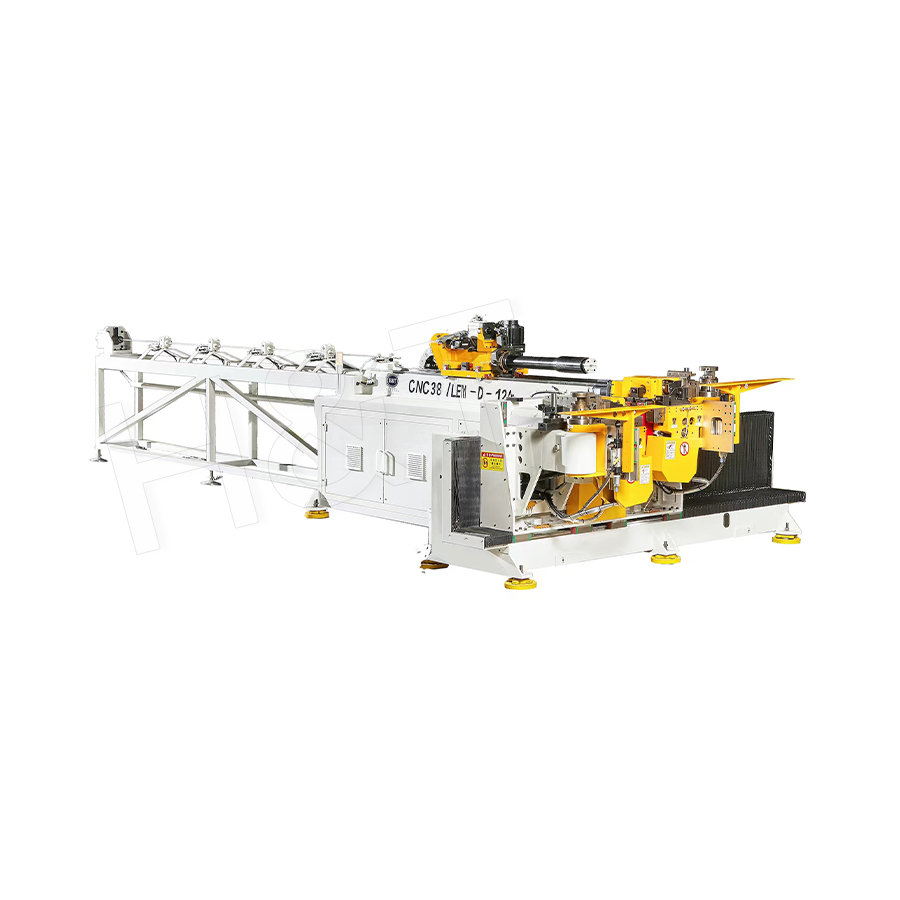
No. 196, Lifa Avenue, Haian City, Nantong, Jiangsu Province, China

News Category
Product Category
What Does a CNC Bending Machine Do? | Tube Bending Guide
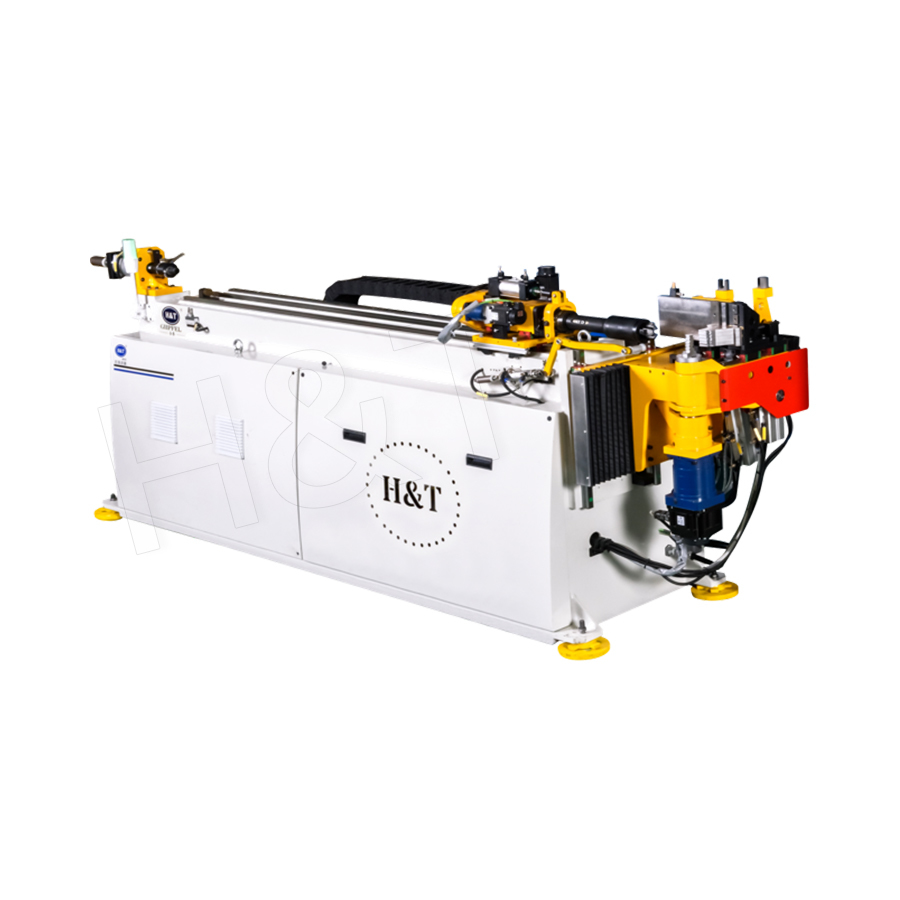
A CNC bending machine is a computer numerically controlled piece of equipment designed to shape metal tubes into precise angles and complex geometries. Unlike manual or semi-automatic benders that rely heavily on operator skill and physical adjustments, a CNC tube bender uses servo or hydraulic motors governed by digital commands. You program the bend angle, rotation, and feed distance into the control unit, and the machine executes those movements automatically.
It is critical to distinguish between tube bending and sheet metal bending. A large portion of online information mistakenly equates CNC bending with press brakes used for flat metal sheets. This article focuses strictly on tube and pipe forming equipment. The core purpose of a single-direction full-servo CNC benders is to pull a straight length of tubing through a set of tooling, wrap it around a bend die, and produce a specific radius with repeatable accuracy. For a broader look at the underlying technology, you can read our earlier guide to CNC bending fundamentals.
 Unidirectional All-Electric Pipe Bending Machine Supplier, OEM/ODM Factory - GipGipfel Precision Machinery Co.,Ltd is top China Unidirectional All-Electric Pipe Bending Machine supplier and OEM/ODM factory, our produc...View Product →
Content
How Does a CNC Tube Bending Machine Work?
The machine transforms a straight tube into a shaped part through a coordinated sequence of clamping, feeding, rotating, and bending. Understanding these steps clarifies why a CNC bender outperforms manual methods in both complexity and consistency.
Programming the Bend Sequence
Before any metal is loaded, the operator defines the part geometry in the CNC controller, often using a 2D or 3D graphical interface. The system maps out each bend by setting three key coordinates: the linear feed distance (Y-axis), the plane rotation between bends (B-axis), and the bend angle (C-axis). The software simulates the sequence to detect potential collisions between the tube and the machine body, ensuring that a multi-bend part can be produced without trial-and-error scrap.
Clamping, Feeding, and Rotating
Once the program loads, the machine grips the tube using a clamp die. Servo-driven carriages push the material forward to the exact point where the next bend should start. If the part has bends in different planes—say, a three-dimensional automotive fluid line—the chuck unit rotates the tube around its long axis before the next bend starts. This synchronized three-axis movement is what enables a single setup to produce a shockingly complex part.
Executing the Bend with Precision
The pressure die holds the tube against the bend die while a mandrel, inserted into the inside of the tube, supports the inner wall. This mandrel support is perhaps the defining technical advantage of a dedicated tube bending machine over makeshift bending methods. It prevents the tube from flattening or wrinkling at the tightest point of the radius. As the bend arm sweeps around, the machine constantly measures its position and applies springback compensation automatically, which means the final angle matches the design intent even if the metal tries to relax after forming.
https://www.tubebendingmachinery.com/htbending/water/image/20260109035616/020---CNC255-13A.jpg 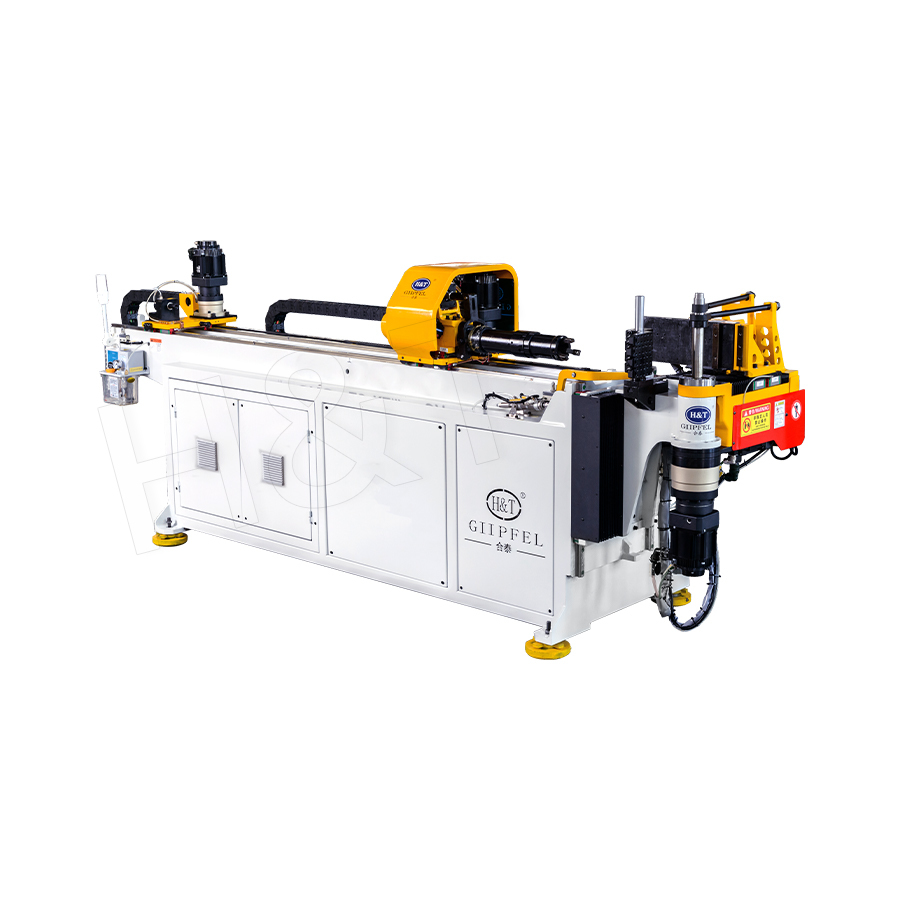
What Shapes and Parts Can a CNC Bending Machine Produce?
The output capability of a CNC tube bender moves far beyond simple right-angle elbows. Because the machine controls multiple axes simultaneously, it can layer multiple bends into a single continuous tube, greatly reducing the need for welding joints or assembly labor.
Common Bend Types
A typical workspace can produce L-bends, U-bends, S-curves, compound spirals, and fully three-dimensional geometries. Common real-world parts include structural roll cages, heat exchanger coils, hydraulic fluid lines, grab handles, furniture frames, and exhaust manifolds. The ability to run a tube through compound angles in one clamping eliminates alignment errors that stack up when multiple straight sections are joined manually.
Material and Size Capability
A well-built CNC tube bender handles carbon steel, stainless steel, aluminum, copper, and alloy tubing. The exact diameter and wall thickness capability depends on the machine model and tooling configuration. Generally, industrial CNC benders cover thin-wall precision tubing for medical devices up to heavy-wall structural piping. The minimum bending radius is typically a multiple of the tube outside diameter, a specification that varies by machine class and mandrel setup.
From Simple to Complex: Multi-Stack and Double-Head Machines
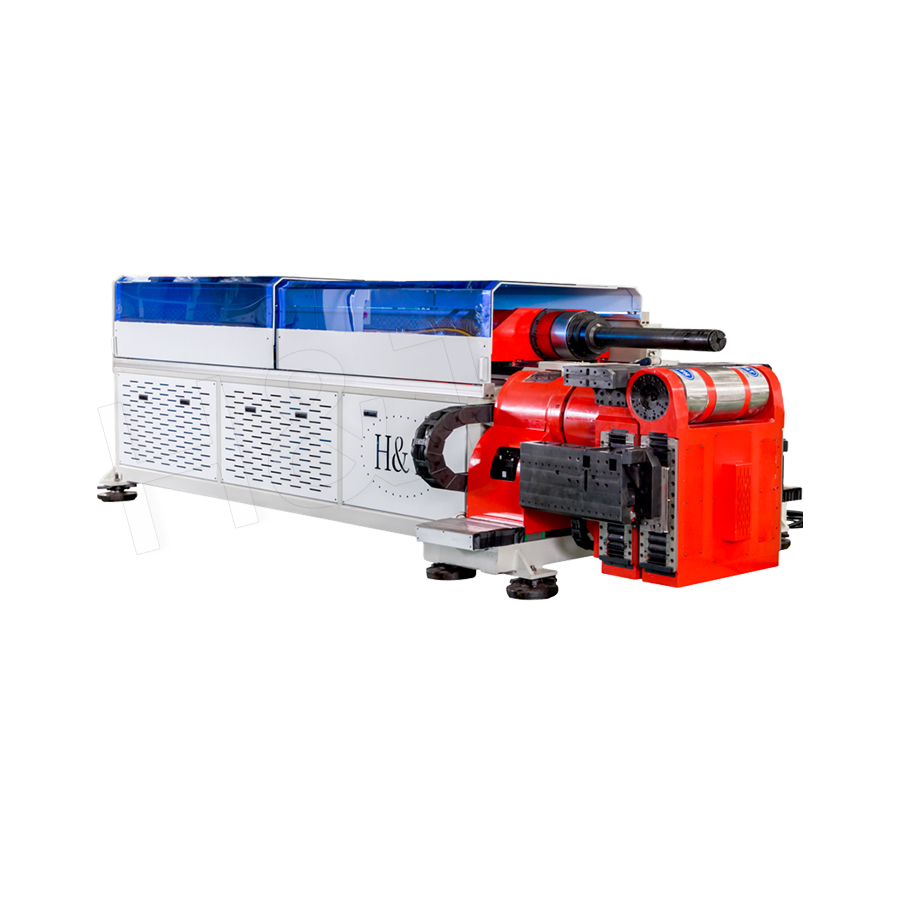
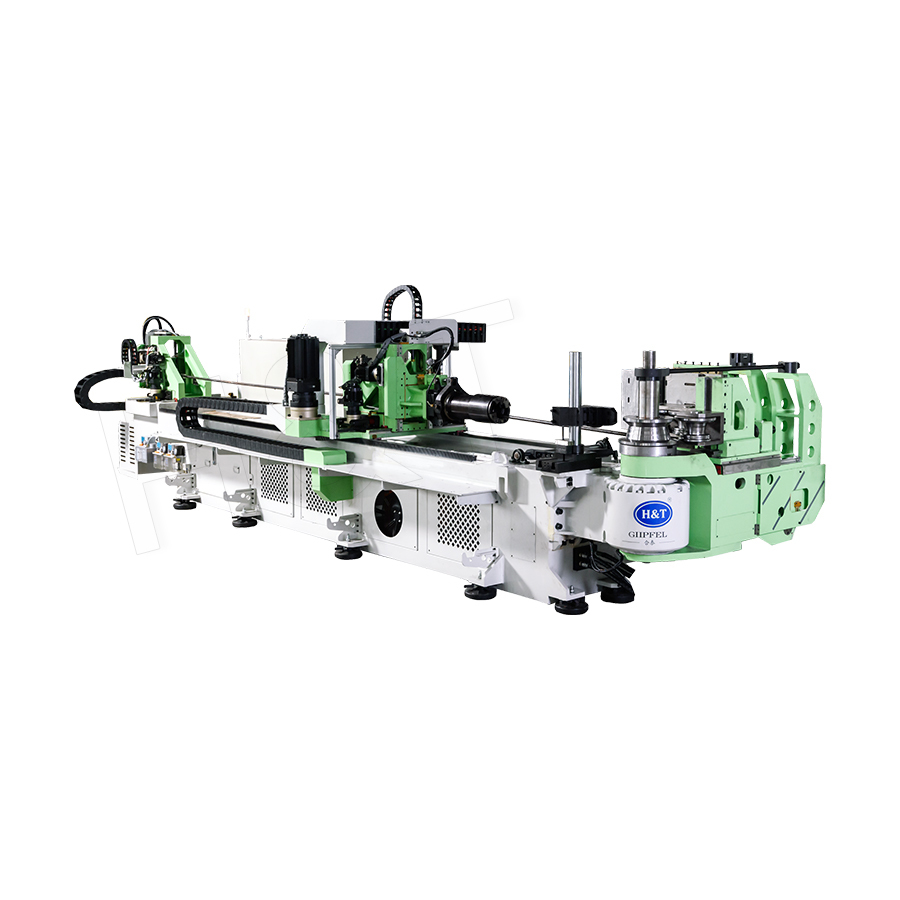
For parts that require multiple radii in a single tube, multi-stack die tube bending machines stack several bend dies on one spindle, allowing the controller to switch radius sizes without stopping to change tooling. For high-volume production environments, 3D double-head full-servo bending machines mount two bending heads on a shared bed, bending both ends of a tube or even two separate tubes simultaneously. This approach effectively doubles throughput for symmetrical parts like chair bases or tubular handles. You can explore our CNC bending machine series to see how different configurations match real production needs.
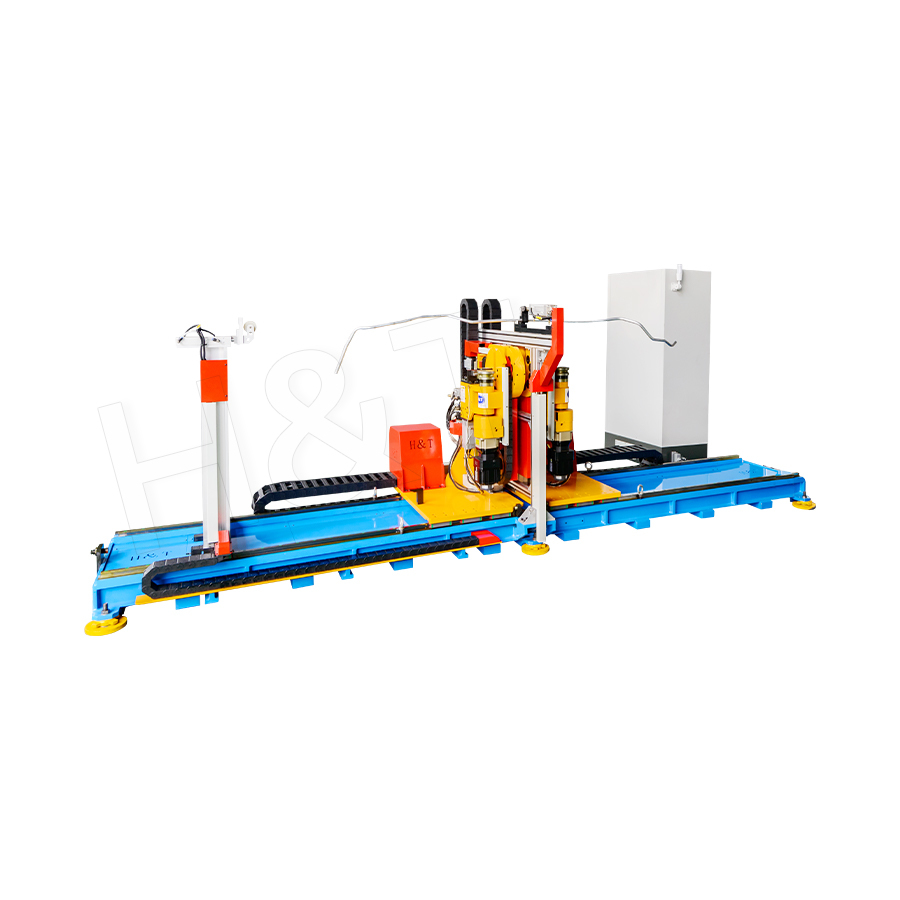
 3D Double-Head Full-Servo Bending Machine Supplier, OEM/ODM Factory - Gipfel PreGipfel Precision Machinery Co.,Ltd is top China 3D Double-Head Full-Servo Bending Machine supplier and OEM/ODM factory, our product is wi...View Product →
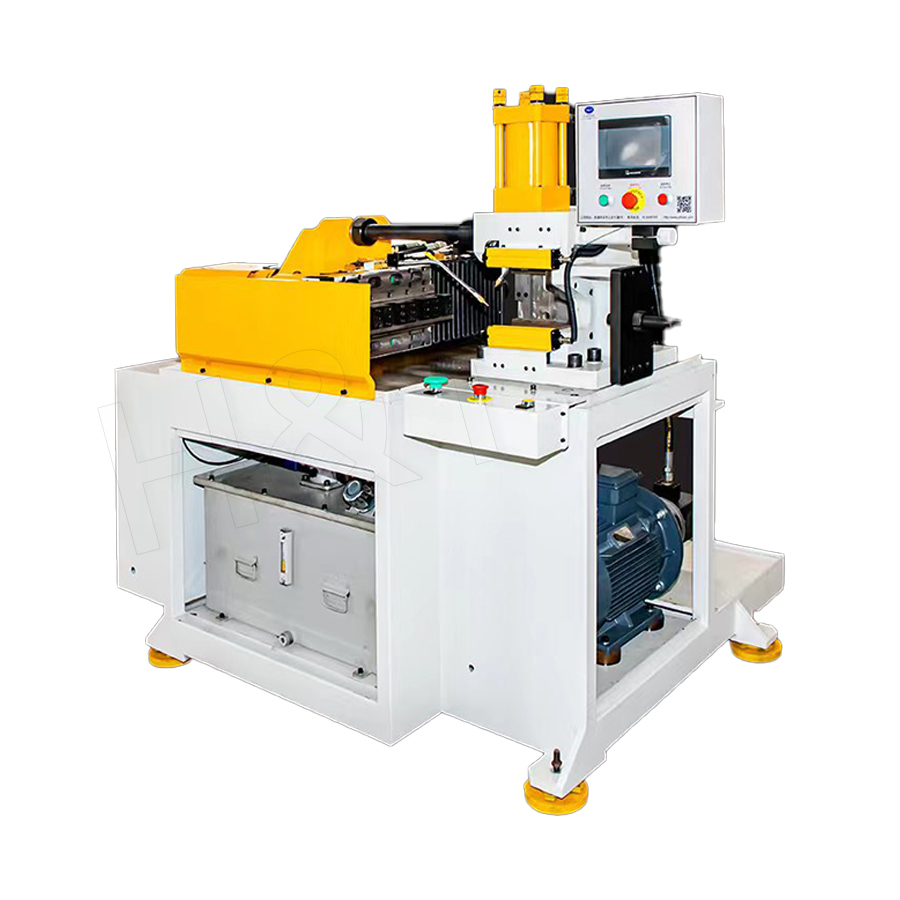
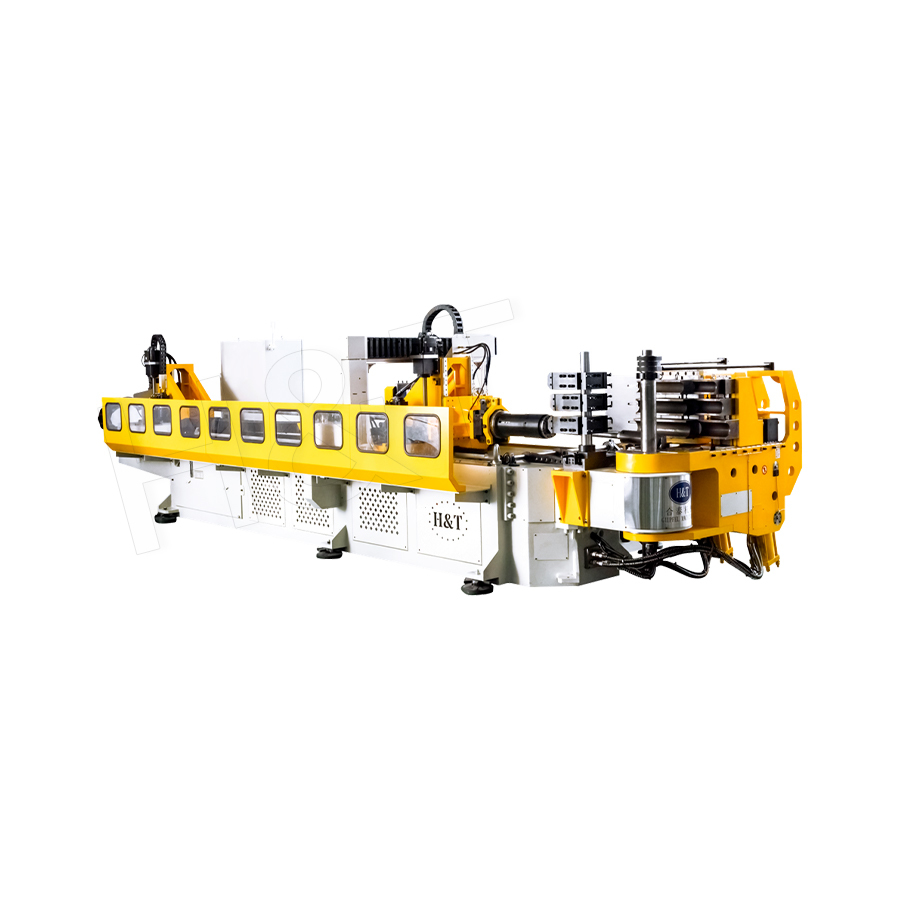 Double-Stack/Three-Stack/Multi-Stack Die Tube Bending Machine Supplier, OEM/ODM Gipfel Precision Machinery Co.,Ltd is top China Double-Stack/Three-Stack/Multi-Stack Die Tube Bending Machine supplier and OEM/ODM factor...View Product →
Why Use a CNC Bending Machine? Key Benefits
Manufacturers move to CNC bending not just to bend metal, but to control process risk and labor cost. The specific advantages show up in quality inspection, production scheduling, and material cost analysis.
Precision and Repeatability
A programmed CNC bender stores digital part recipes that produce identical parts from the first piece to the ten-thousandth. This repeatability is crucial when your downstream process, like robotic welding or automated assembly, requires consistent part geometry to function without jams. Unlike manual bending, there is no operator drift over a shift.
Complex Bends in One Setup
The elimination of intermediate material handling is where CNC pays for itself fastest. If a tube requires six bends in three different planes, a manual process might require repositioning the material six times, accumulating a tolerance stack that fails inspection. A CNC machine completes the entire sequence in one automatic cycle, keeping cumulative error very low.
Faster Changeovers and Higher Productivity
When switching from one part number to another, you simply call up the new program and swap the bending dies if necessary. The machine's automatic alignment and homing routines slash the setup time compared to a manual bender that requires physical adjustment stops and trial bends to dial in the angle. This makes CNC the sensible choice for job shops running small batches of many different parts.
Reducing Scrap and Material Waste
The simulation and springback compensation functions drastically cut the number of setup scraps generated during new product introduction. By accurately predicting how the metal behaves, the machine minimizes the "tune-in" phase that would otherwise waste precious tubing.
CNC vs. NC vs. Manual Bending: What's the Difference?
A common question from production managers is whether they truly need full CNC capability or if a less expensive technology will suffice. The answer lies in the complexity of your product mix and your tolerance requirements.
| Feature | Manual Bending | NC Bending | CNC Bending |
|---|---|---|---|
| Setup Method | Physical stops, manual leverage | Hard stops with limited program memory | Full digital programming, 3D simulation |
| Multi-Plane Bends | Requires repositioning by hand | Largely single-plane, manual rotation | Automatic multi-axis feed and rotation in one cycle |
| Batch Consistency | Variation between operators | Good for long runs of the same single bend | Excellent, with electronic springback correction |
| Best Fit | Prototyping, very low volume | High-volume, simple repetitive bends | Mixed production, short runs, complex geometries |
Manual benders are essentially mechanical leverage tools suitable for simple, low-precision jobs. An NC (numerical control) bending machine is a step up; it automates the bend angle but lacks the flexible multi-axis programming of a CNC. You might choose NC bending machines for high-volume, repetitive bends when your part is a simple elbow shape with minimal variation across product lines. Full CNC becomes necessary when you have to manage a product catalog that includes varied three-dimensional shapes or when you need statistical process control data from every part you make.
How to Choose a CNC Bending Machine
Settling on a specific CNC bending machine requires matching the machine architecture to your current and projected workload. The following dimensions separate a well-suited machine from an expensive mismatch.
- Maximum tube diameter and wall thickness: This is capacity-determining. You must map your hardest material (stainless steel, for example) and largest wall thickness to the machine's bending torque rating.
- Minimum and maximum bending radius: Tooling determines this, but the machine must have the spindle torque to pull tight radii in heavy-wall material without stalling.
- Number of servo axes: The standard is three axes (feed, rotation, bend), but additional servo-controlled axes for the pressure die or mandrel retraction can increase speed and tooling life.
- Multi-stack or double-head configuration: If your tube needs multiple distinct radii or if you make high volumes of symmetrical parts, the machine head configuration becomes a productivity multiplier.
- Automation readiness: Consider whether you will eventually integrate automated tube loading, unloading, or robotic part handling. A machine designed with communication interfaces and a modular structure is easier to retrofit.
This is not a generic purchase decision. The machine geometry, tooling strategy, and control platform must align with your specific part family. You can start aligning those specifications by reviewing standard configurations like single-head CNC benders for precise, repeatable tube bending.
Conclusion
A CNC bending machine takes a straight tube and systematically transforms it into a predictable, high-precision bent component, reliably and without manual guesswork. By combining multi-axis digital control with dedicated tube tooling and automatic material support, it handles everything from simple single-radius elbows to complex, three-dimensional multi-bend assemblies in a single automatic cycle. For operations where part accuracy, changeover speed, and material yield directly determine profitability, a CNC tube bender is a foundational piece of production capacity. To get more specific about how these machines match the requirements of your own parts, contact our team for application-specific guidance.
Featured Products
A Complete Range of Tube Processing Solutions
Precision Tube Bending
 Ready To Customise
Your Bent Tube Products?

Ready To Customise Your Bent Tube Products?
Proprietary software, smart control systems, and 50+ patents ensure more efficient and intelligent production at every step.
Copyright © 2025 by Gipfel Precision Machinery Co.,Ltd All Rights Reserved. Privacy Precision Tube Machinery Manufacturer | Pipe Forming, Cutting, End Forming Solutions
