

 简体中文
简体中文 English
 日本語
日本語 한국어
한국어 Español
 русский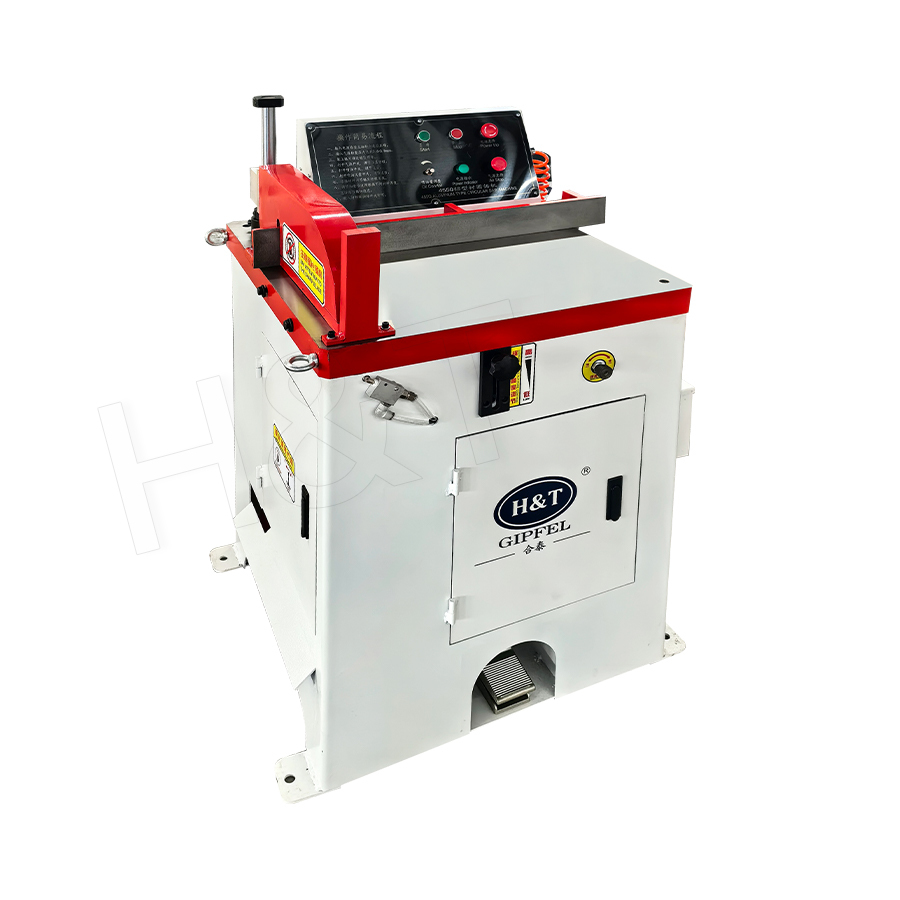
No. 196, Lifa Avenue, Haian City, Nantong, Jiangsu Province, China

News Category
Product Category
How Does a CNC Bending Machine Work? Components, Steps and Precision Explained
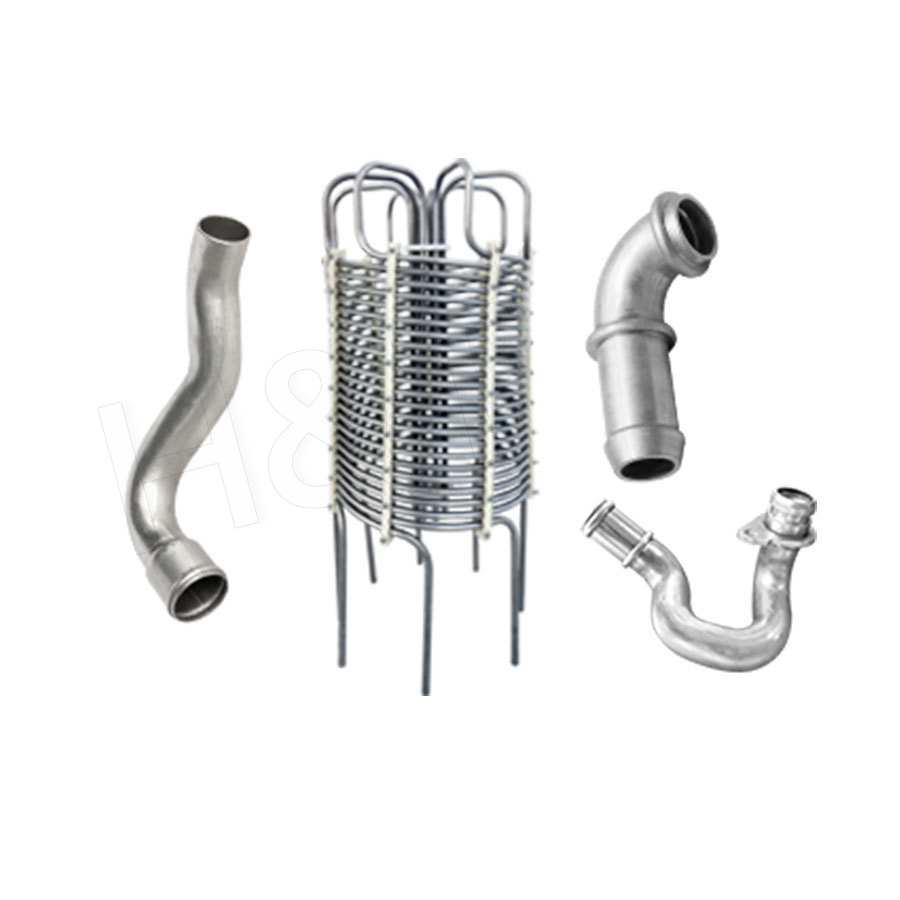
A single fuel line on a vehicle can carry three bends within 400 mm of tube. If the second bend lands half a degree off target, the line no longer meets its ports and assembly stops. That is the exact problem a CNC bending machine exists to solve. The short answer to how it works: the machine converts a programmed part file into coordinated servo motion. It feeds the tube to an exact length, rotates it to an exact orientation and bends it to an exact angle, while encoders report every axis position back to the controller in real time and the control system corrects for springback automatically. That closed loop of command, motion and measurement is why bend number ten thousand can match bend number one.
Content
- 1 The Working Principle: Three Coordinated Axes Under Closed-Loop Control
- 2 The Core Components That Do the Work
- 3 The Bending Cycle, Step by Step
- 4 Springback: Why the Machine Overbends on Purpose
- 5 Hydraulic, Servo-Electric or Hybrid: Choosing the Drive
- 6 What the Numbers Show: Accuracy and Capability
- 7 Throughput: What Changes on the Shop Floor
- 8 Matching the Machine to the Part
The Working Principle: Three Coordinated Axes Under Closed-Loop Control
Every bend on a tube is fully defined by three numbers: the distance the tube travels between bends, the rotation of the tube between bends and the bend angle itself. Machine builders label these axes Y, B and C, and the part program is simply a list of these values in sequence. The controller turns that list into motion commands for servo motors, the motors drive the carriage, the collet and the bend arm, and encoders on each axis report actual position thousands of times per second. Whenever actual position drifts from target position, the controller corrects it within the same cycle.
This closed loop is what separates CNC from NC and manual work. An NC machine reaches positions set by mechanical stops, and a manual bend depends on the eye and lever feel of the operator. A CNC machine measures, compares and adjusts on its own, so accuracy holds across the whole batch. The description below follows the rotary draw method used for tube and pipe, the equipment family we know best; a CNC press brake for sheet metal applies the same control logic with different tooling.
The Core Components That Do the Work
Controller and servo drives
The controller stores the part program as a sequence of bend records, each holding distance, rotation, angle and speed data. From there the drives take over. On a full servo machine, servo motors and ball screws position every axis, including the bend axis itself, so motion is smooth, measurable and repeatable. Hydraulic machines still use pumps and cylinders to deliver bending force, but encoders handle positioning feedback on every modern design. Full servo designs react faster, run cleaner and hold tighter repeat accuracy, which is why they dominate precision tube work.
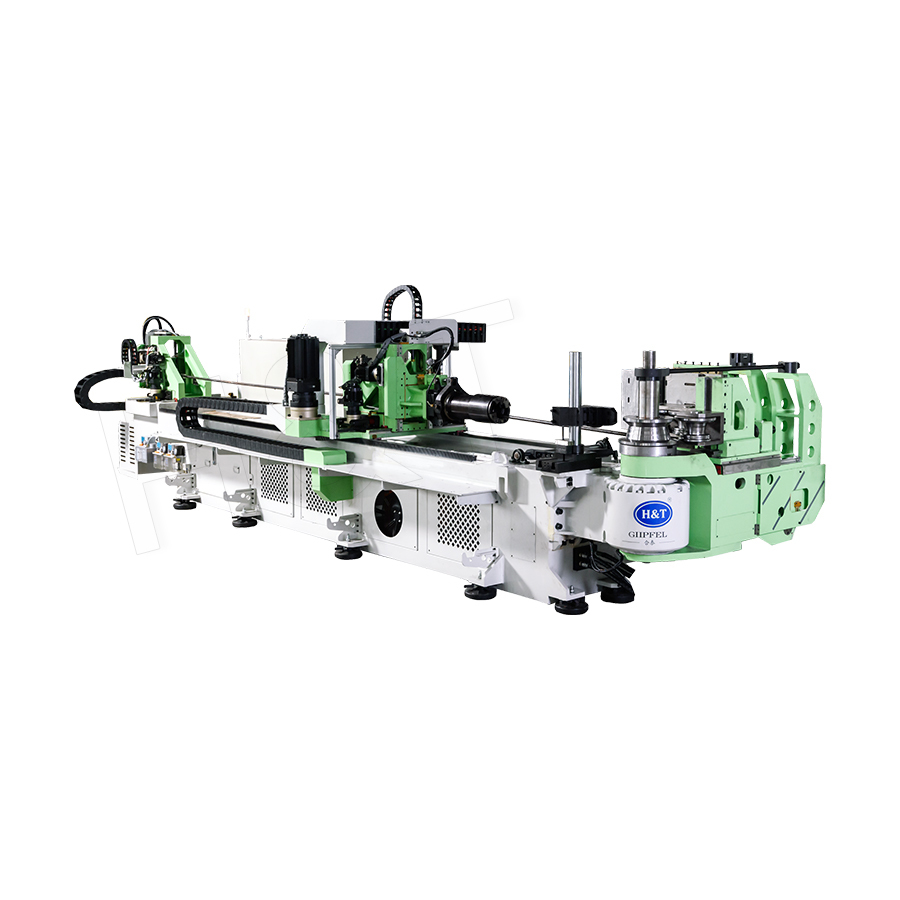 Single Direction Full-servoThe unidirectional all-electric pipe bending machine is the core product of H T's E-series. Utilizing all-electric drive technology, it achieves high-precision unidire...View Product →
The tooling set that shapes the bend
Five tools do the physical work. The bend die sets the bend radius and gives the tube its shape. The clamp die grips the tube against the bend die so the two rotate together. The pressure die rides along the outside of the bend and supports the straight leg. Inside the tube, the mandrel supports the bore so the bend does not wrinkle or collapse, and the wiper die sits at the tangent point to stop wrinkles forming on the inside radius. Tooling choice is where bending quality is won or lost, and multi stack die setups allow several radii in one part without a manual tool change.
Positioning and measurement
A measuring encoder on the carriage tracks exactly how far the tube has been fed, a rotary encoder records tube rotation, and an angle encoder tracks the bend itself. Higher specification machines add post bend angle measurement, which closes the last gap between the commanded angle and the achieved angle.
The Bending Cycle, Step by Step
On every part, the machine runs the same sequence:
- Program the part. The operator enters or imports the bend data: incremental distances, rotations and angles. The controller checks the program for collisions before anything moves.
- Load and clamp. The tube slides over the mandrel and clamps in the carriage collet against a rear stop.
- Feed. The carriage pushes the tube forward by the programmed distance.
- Rotate. The collet rotates the tube to the programmed orientation so the next bend lands in the correct plane.
- Bend. The clamp die grips the tube to the bend die, the pressure die advances, and the bend die rotates through the programmed angle while the mandrel and wiper die support the wall.
- Release and index. The dies open, the carriage feeds to the next bend position, and the sequence repeats until the part is complete.
Steps three to six run continuously, so a part with six bends and three rotations comes out in one handling. Machines with two bending heads work from both ends of long tubes at once, and 3D parts with bends in several planes are produced as single components instead of welded assemblies. If you want the wider terminology in one place, our guide to what is CNC bending covers the process at a higher level.
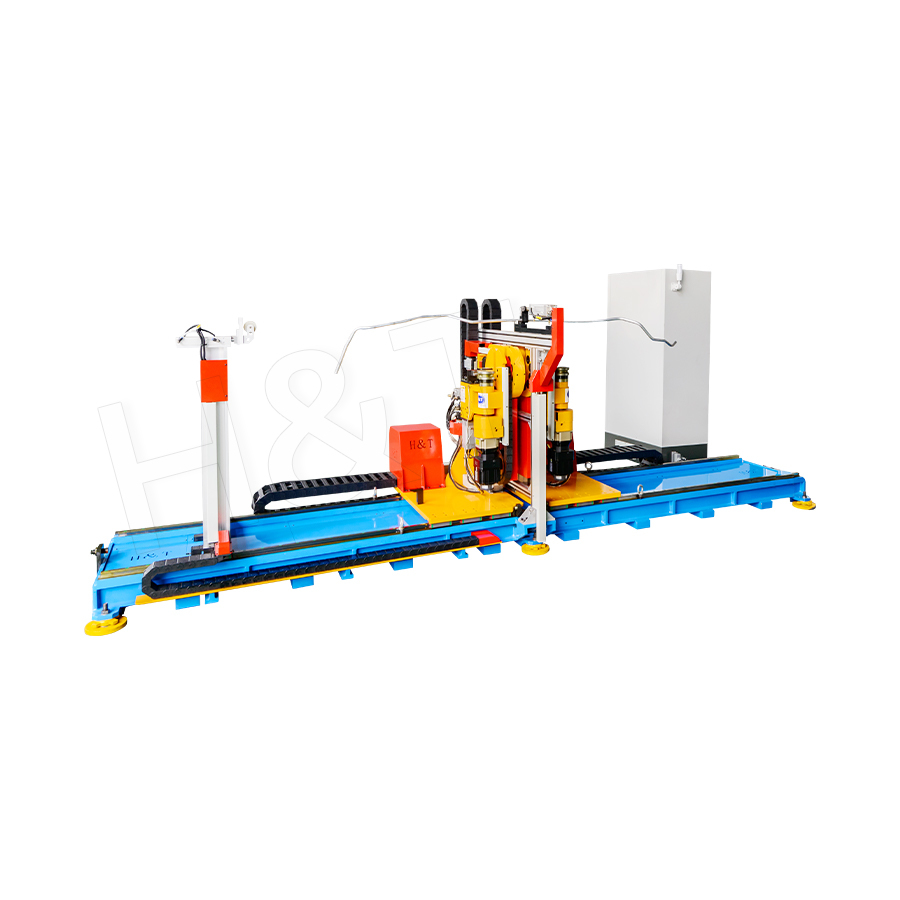 3D Double-head Full-servo BendingThe 3D Double-head Full-servo Bending is a high-precision automated processing equipment developed by Hetai specifically for ultra-long and ultra-fine pipes in the aut...View Product →
Springback: Why the Machine Overbends on Purpose
Metal is elastic. When the bend die releases the tube, the material springs back toward its original shape, typically by one to five degrees depending on the material, the wall thickness and the bend radius. A CNC bending machine answers this by overbending: the controller commands a slightly larger angle so the part lands on target after springback. Modern systems go a step further. An angle measuring system checks the finished bend, feeds the result back to the controller, and the machine refines its compensation from part to part without operator input.
Typical springback by tube material
The chart above shows typical springback values for common tube materials bent at a moderate radius. Softer materials such as copper recover less, while high strength low alloy steel can spring back more than five degrees. The exact value on any given machine also depends on the radius to diameter ratio, the wall factor and the condition of the tooling, so treat these figures as planning magnitudes rather than fixed constants. What matters most is what the control system does with the number. A CNC machine stores a compensation value for each part, applies it automatically, and refines it from measured results. That closed correction loop is how the machine holds a half degree window across an entire production run.
Hydraulic, Servo-Electric or Hybrid: Choosing the Drive
Both drive concepts answer the same question, how to apply bending force, but they suit different work. Hydraulic machines deliver very high force, which keeps them the default choice for thick wall and large diameter tubes. Servo-electric machines put a motor on every axis and win on cycle speed, energy use and cleanliness. Hybrids pair a hydraulic bend axis with servo positioning and are a common compromise on mid range equipment.
| Factor | Hydraulic CNC bending | Servo-electric CNC bending |
|---|---|---|
| Bending force | Very high force, well suited to thick wall and large diameter tubes | Strong, usually limited to small and medium diameters |
| Speed and cycle time | Fast on the bend stroke, slower on auxiliary axes | Fast on all axes, shorter cycles on complex parts |
| Energy consumption | Higher, the pump often runs between bends | Lower, motors draw power mainly during motion |
| Maintenance | Oil, filters and seals need scheduled service | No hydraulic oil on main axes, less routine servicing |
| Typical fit | Heavy wall structural parts, large diameters | High volume precision parts and tight tolerances |
What the Numbers Show: Accuracy and Capability
The clearest way to see what the CNC control actually buys is to put the three control generations side by side.
Typical bend angle tolerance by control type
Typical bend angle tolerance in degrees, lower is better
The bar chart compares typical bend angle tolerance across the three control generations, and lower is better. Manual bending depends on operator skill and setup quality, so a tolerance of around two degrees is a realistic production expectation. NC machines add mechanical stops and more consistent positioning, which brings the figure down to roughly half a degree. A CNC machine with servo axes and springback compensation commonly holds 0.2 degrees or better on repeat work. On a part with several bends, small angle errors compound, so the gap between 0.5 and 0.2 degrees shows up directly in downstream fit and finish. These are typical production values rather than guarantees, because tooling condition and material batches also play a role.
Capability comparison: manual, NC and CNC bending
CNC NC Manual
The radar chart scores the same three control types across six practical dimensions, using illustrative ratings from 0 to 10. CNC bending leads on precision, repeatability, complex shape capability and independence from operator skill, which is exactly what mission critical parts demand. Manual work still earns its place on very simple parts, short runs and one off repairs, where it wins on energy use and low investment. NC sits in the middle and remains a sensible choice for straightforward repeat bends when capital budget is tight. The right answer depends on your part mix, batch sizes and tolerance demands rather than on any single score. Use the chart as a screening tool, then confirm the decision with trial bends on your own tube.
Throughput: What Changes on the Shop Floor
Typical output per 8-hour shift for a three-bend steel tube part
The column chart compares typical output for a three bend steel tube part on an eight hour shift. Manual production reaches roughly 120 parts because the operator sets, checks and adjusts every single piece. An NC machine removes the angle setting work and lifts output to around 350 parts. A CNC machine with automatic feeding shortens the cycle further and runs with far less supervision, reaching around 700 parts in the same window. Real results vary with tube length, the number of bends, wall thickness and the level of loading automation around the machine. Treat the chart as an order of magnitude for capacity planning, then confirm it with a cycle time study on your own part.
Matching the Machine to the Part
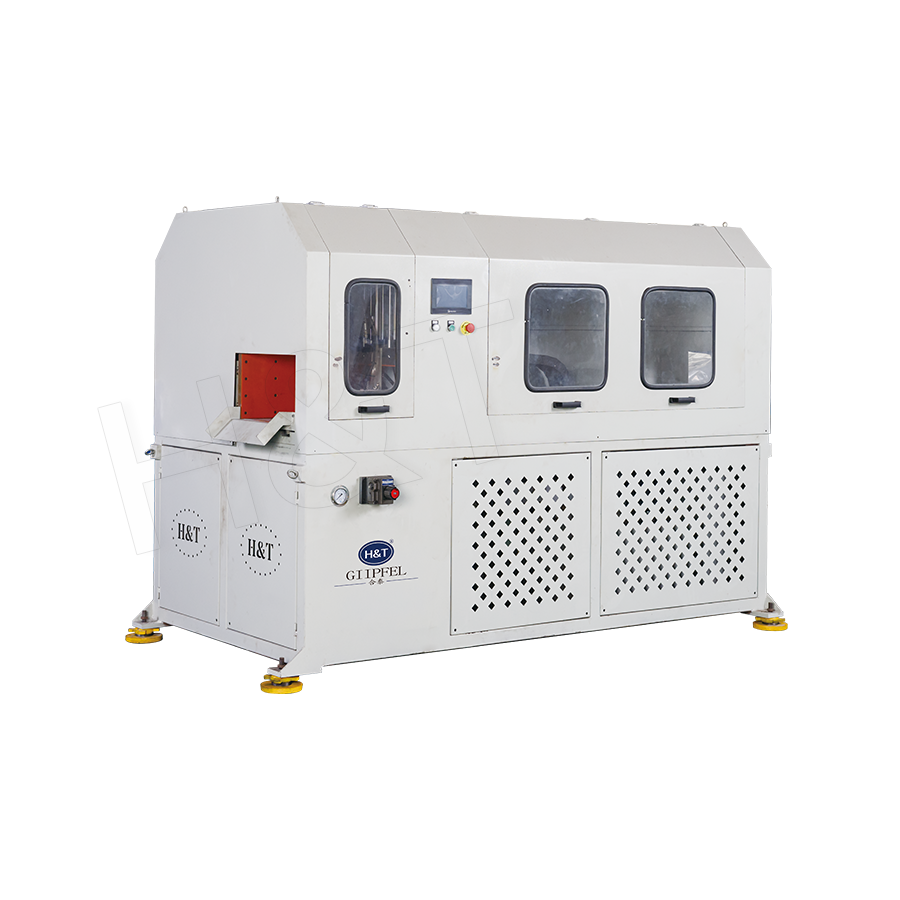
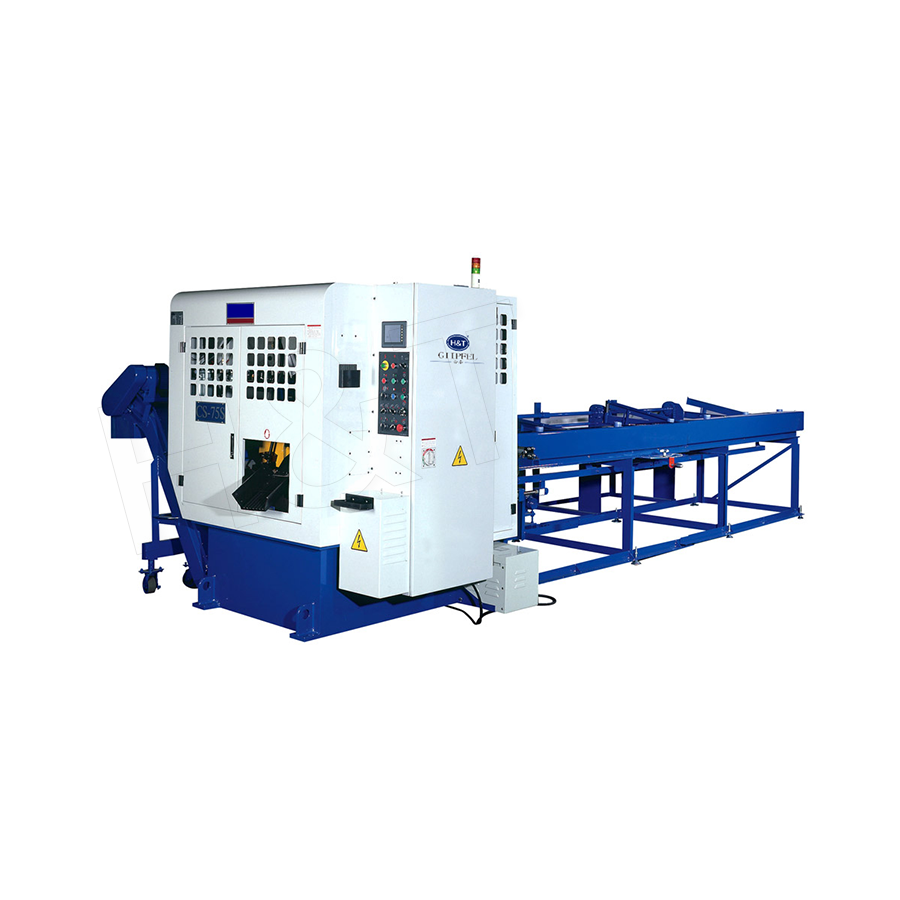
Specifying a CNC bending machine starts with the part, not the brochure. Fix the largest tube diameter and wall thickness you must bend, the tightest radius, and the number of bends and rotations per part. Heavy wall, large diameter work calls for a heavy duty frame and a powerful bend axis, while thin wall precision work calls for mandrel tooling and full servo axes. High mix production benefits from multi stack dies and fast changeover, and stable high volume parts justify feeding automation plus integration with cutting, chamfering and end forming upstream and downstream. One procurement detail buyers often skip: ask how the supplier verifies the machine before it ships. Factory and site acceptance tests, in house machining of critical parts and a predictable delivery window such as 90 to 120 days say more about the machine you will receive than any specification sheet.
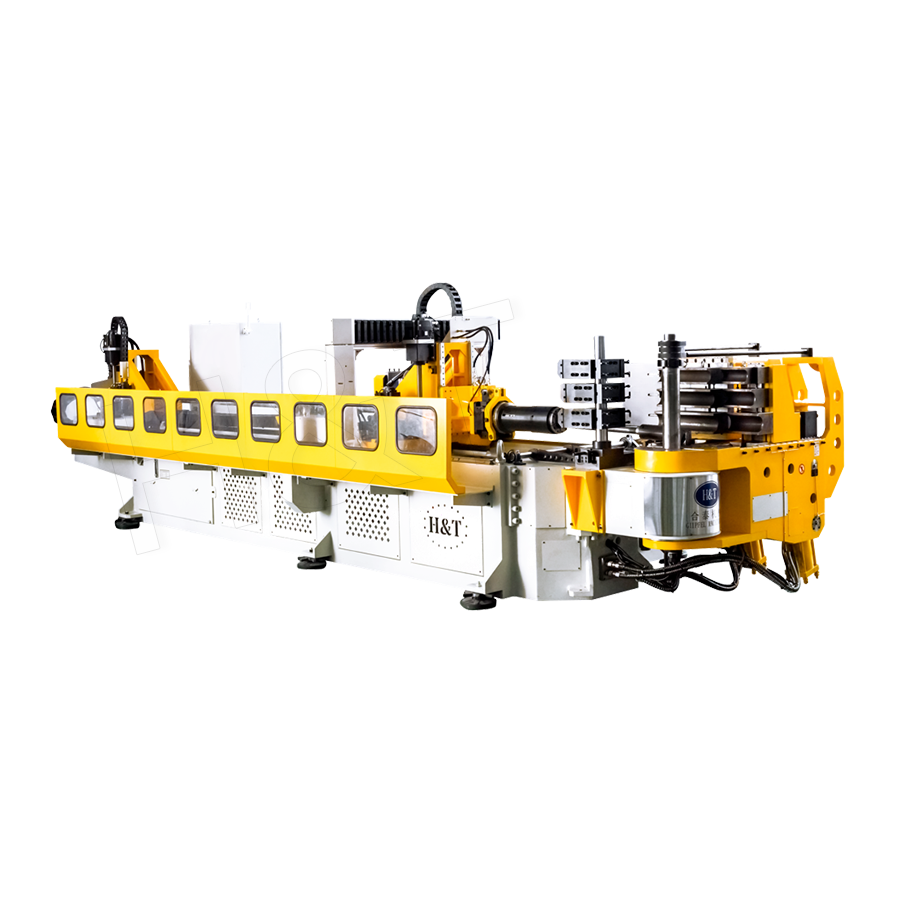 Heavy Duty tube bending machineThe heavy duty tube bending machine, model CNC65×E-9A, is a heavy-duty pipe forming equipment specifically developed for high-tech-intensive industries such as aviatio...View Product →
So, how does a CNC bending machine work? It reads a part program, drives three coordinated axes with servo precision, shapes the tube between a matched set of dies and measures its own results to beat springback. That loop of command, motion and measurement is what turns a length of tube into a repeatable precision component. If you are evaluating equipment for your own parts, send us your tube specifications and batch sizes and request a quote so our engineers can match the right configuration to your work.
Featured Products
A Complete Range of Tube Processing Solutions
Precision Tube Bending
 Ready To Customise
Your Bent Tube Products?

Ready To Customise Your Bent Tube Products?
Proprietary software, smart control systems, and 50+ patents ensure more efficient and intelligent production at every step.
Copyright © 2025 by Gipfel Precision Machinery Co.,Ltd All Rights Reserved. Privacy Precision Tube Machinery Manufacturer | Pipe Forming, Cutting, End Forming Solutions
