

 简体中文
简体中文 English
 日本語
日本語 한국어
한국어 Español
 русский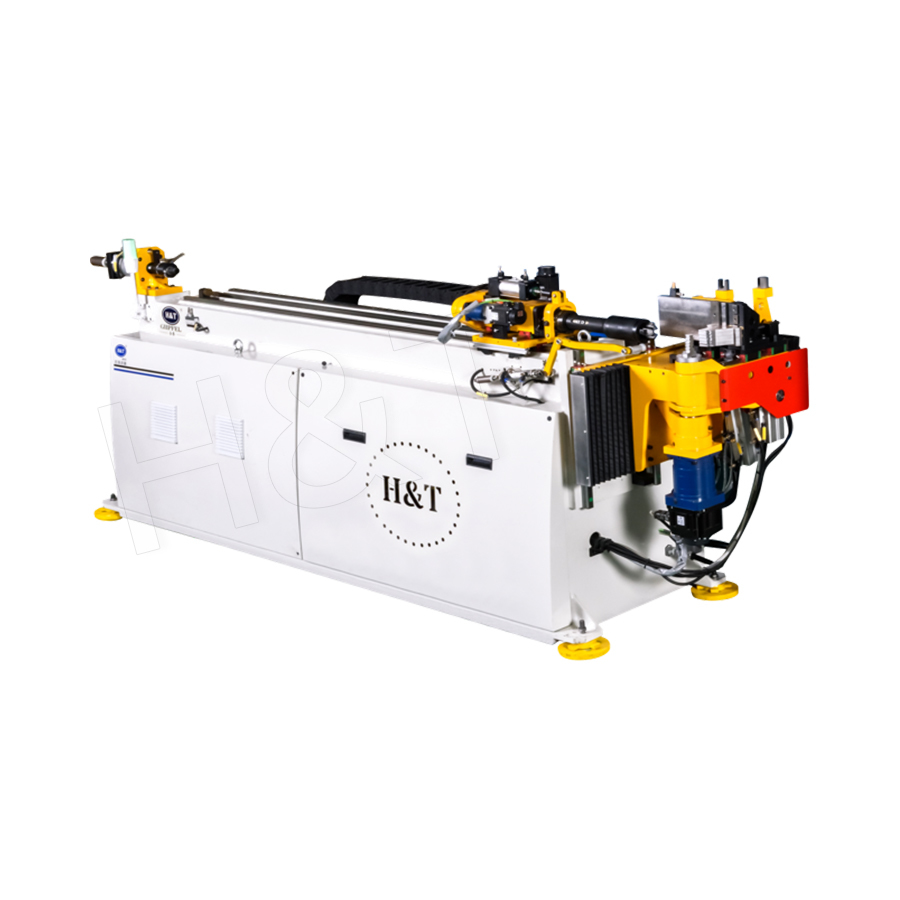
No. 196, Lifa Avenue, Haian City, Nantong, Jiangsu Province, China

News Category
Product Category
Why is CNC bending necessary?
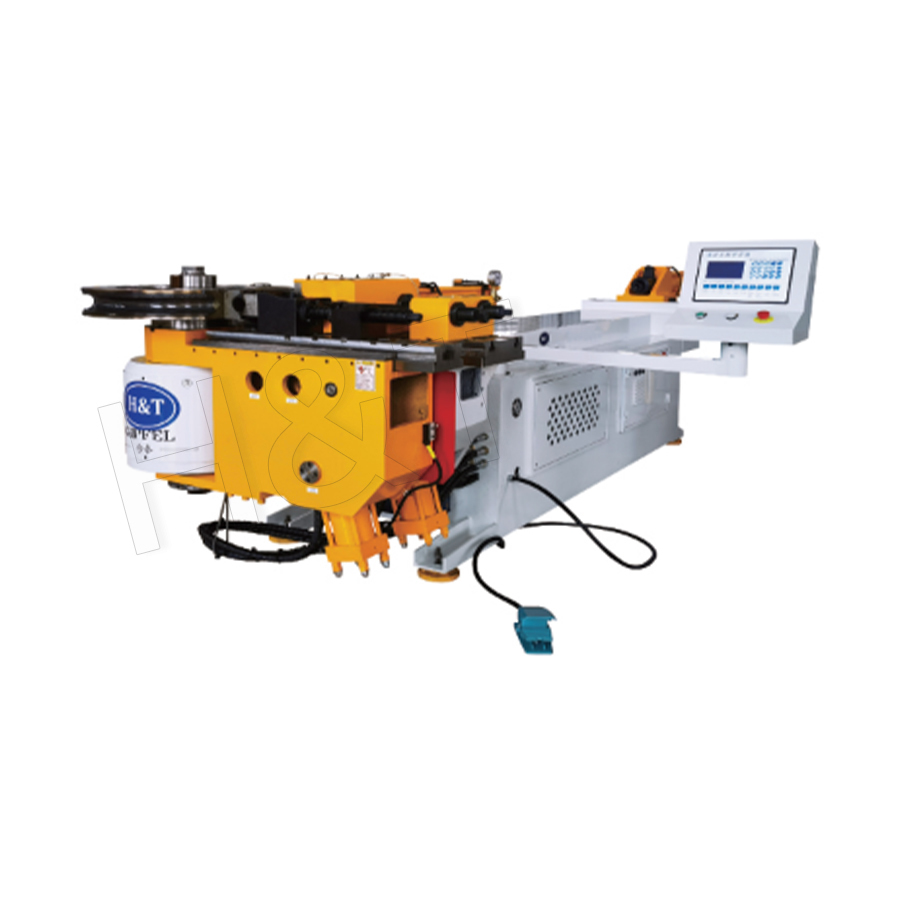
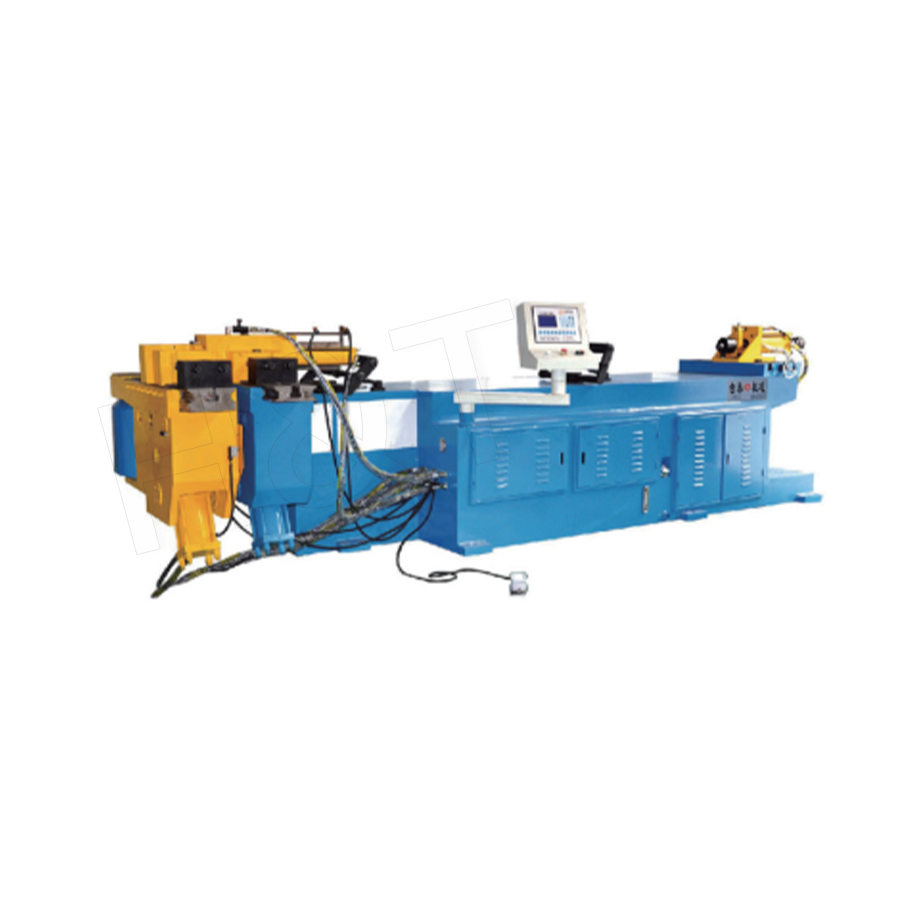
CNC bending is necessary because modern manufacturing increasingly demands tight dimensional tolerances, complex multi plane geometries, and consistent quality across large production volumes, none of which manual or semi automatic bending methods can reliably deliver at scale. As industries such as automotive, furniture, and HVAC push toward more compact, precisely engineered assemblies, equipment like CNC bending machines has become a practical requirement rather than an optional upgrade, since manual bending simply cannot keep pace with the accuracy and repeatability these applications require.
The sections below explain the specific pressures driving this necessity, from tolerance requirements and part complexity to production economics and quality control demands that make CNC bending the practical standard in many manufacturing settings today.
Content
- 1 Tolerance Demands That Manual Bending Cannot Meet
- 2 Complex Geometry That Requires Automated Precision
- 3 Production Volume and Speed Requirements
- 4 Quality Control and Traceability Needs
- 5 Material and Cost Efficiency Considerations
- 6 Industries Where CNC Bending Has Become a Practical Standard
- 7 Summary
Tolerance Demands That Manual Bending Cannot Meet
As assembled products become more compact and components more tightly integrated, the dimensional accuracy required from bent tube and profile parts has increased significantly.
Tight Fit Requirements in Assembly
Many bent components must fit precisely with other manufactured parts, such as brackets, connectors, or mating structures, where even a small angular deviation can prevent proper assembly or create stress concentrations at the joint. Manual bending, which relies on operator judgment and visual alignment, struggles to consistently achieve the sub degree tolerances that these applications increasingly require.
Cumulative Error in Multi Bend Parts
When a single part requires several sequential bends, small inaccuracies at each step can compound, resulting in a final part that deviates significantly from the intended geometry. CNC bending eliminates this cumulative error risk by executing each bend according to fixed programmed coordinates rather than incremental manual adjustment.

Complex Geometry That Requires Automated Precision
Product designs increasingly call for bent components with geometries that would be extremely difficult, if not practically impossible, to reproduce consistently by hand.
- Multi plane bends that change direction across different rotational axes along a single part
- Compound curves requiring variable bend radii within one continuous piece
- Tight radius bends near the structural limits of the material without wall thinning or collapse
- Parts that must navigate around other components within a densely packaged assembly space
These geometric demands are common in automotive exhaust routing and structural roll cage fabrication, where bent tube must follow a precise three dimensional path determined by the surrounding vehicle architecture, a task that is generally impractical to achieve reliably through manual methods.
Production Volume and Speed Requirements
Beyond precision, the sheer production volume many industries require makes CNC bending a practical necessity for maintaining competitive output.
| Production Factor | Manual Bending | CNC Bending |
| Cycle time per part | Slower, operator paced | Faster once programmed |
| Consistency across large batches | Variable | Highly consistent |
| Setup time for repeat orders | Requires re-measurement each time | Recalled from saved programs |
| Labor dependency | High, skill dependent | Lower once programmed |
For manufacturers producing hundreds or thousands of identical bent parts per week, this speed and consistency advantage becomes a direct factor in whether production schedules and delivery commitments can realistically be met.
Quality Control and Traceability Needs
Industries with strict quality requirements, such as automotive and structural fabrication, increasingly depend on documented, traceable manufacturing processes, which CNC bending supports more effectively than manual methods.
Digital Process Documentation
Because CNC bending programs store exact bend angle, length, and sequence data digitally, manufacturers can maintain detailed production records for each part run, supporting quality audits and traceability requirements that are often difficult to document consistently with manual bending logs.
Reduced Scrap and Rework
Consistent programmed accuracy reduces the frequency of out of tolerance parts reaching downstream assembly stages, which lowers scrap rates and the associated material and labor costs tied to reworking or discarding improperly bent components.
Material and Cost Efficiency Considerations
Reducing errors and material waste is another practical reason CNC bending has become necessary rather than optional in many production environments.
- Programmed simulation tools allow bend sequences to be verified before physical material is consumed
- Consistent accuracy reduces scrap generated from misjudged manual bends
- Faster setup and changeover between part programs reduces machine downtime between production runs
- Lower dependency on highly experienced manual bending operators reduces training time and labor cost variability
These efficiency gains compound over time, particularly for manufacturers running varied production schedules that require frequent switching between different bent part specifications throughout a given week.
Industries Where CNC Bending Has Become a Practical Standard
Across several sectors, the combination of tolerance demands, geometric complexity, and production volume has made CNC bending the practical default rather than a specialized option.
- Automotive manufacturing, where exhaust and chassis components require precise, repeatable geometry
- Furniture production, where consistent tubular frame dimensions affect both fit and finished appearance
- HVAC fabrication, where ductwork and piping must align accurately with fixed building layouts
- Architectural and handrail fabrication, where visible curved components demand a clean, consistent finish
Manufacturers in these industries evaluating new equipment often find that adopting systems such as CNC bending machines becomes necessary simply to keep pace with the tolerance and volume expectations set by their customers and industry standards, rather than being a purely optional efficiency upgrade.
Summary
CNC bending has become necessary because modern manufacturing consistently demands tighter tolerances, more complex bend geometries, and higher production volumes than manual bending methods can reliably support. From reducing cumulative angular error across multi bend parts to enabling faster changeovers and better quality documentation, the practical advantages of CNC bending address real production pressures that many manufacturers can no longer avoid if they want to remain competitive on precision, speed, and consistency.
Featured Products
A Complete Range of Tube Processing Solutions
Precision Tube Bending
 Ready To Customise
Your Bent Tube Products?

Ready To Customise Your Bent Tube Products?
Proprietary software, smart control systems, and 50+ patents ensure more efficient and intelligent production at every step.
Copyright © 2025 by Gipfel Precision Machinery Co.,Ltd All Rights Reserved. Privacy Precision Tube Machinery Manufacturer | Pipe Forming, Cutting, End Forming Solutions
