

 简体中文
简体中文 English
 日本語
日本語 한국어
한국어 Español
 русский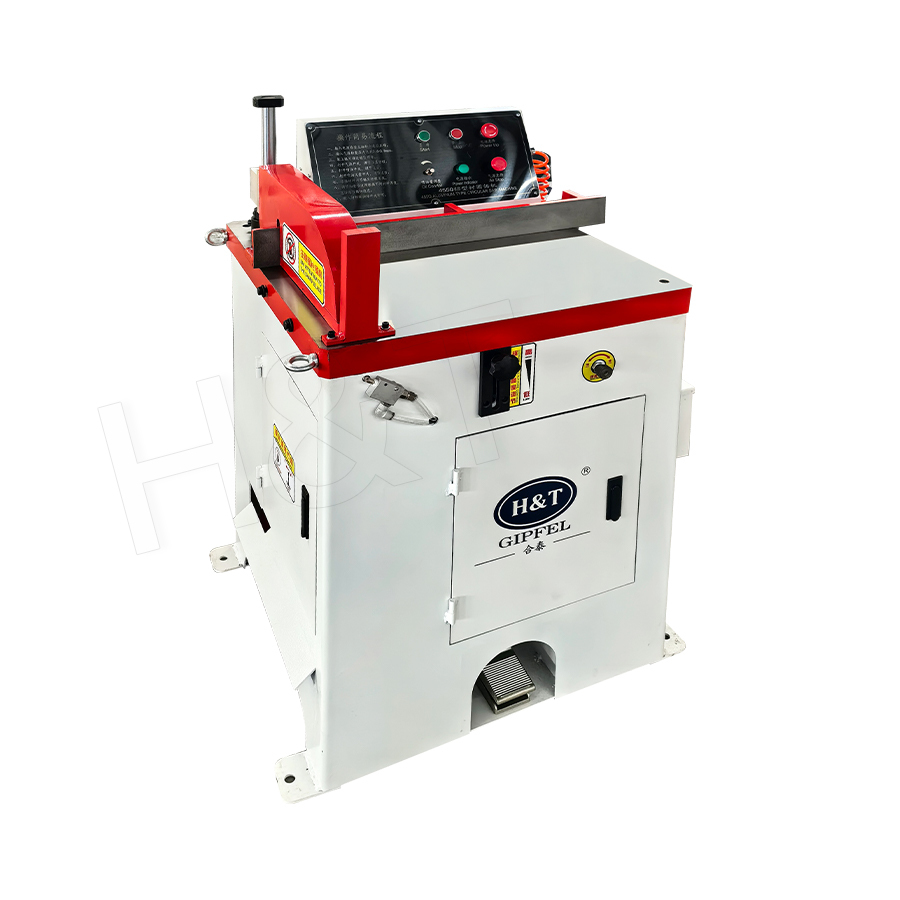
No. 196, Lifa Avenue, Haian City, Nantong, Jiangsu Province, China

News Category
Product Category
Precision Metal Cutting: Tolerances, Process Choice and Cut Quality Guide
A shop running 5,000 stainless tube parts at 4 mm wall thickness can lose a week to one number. If the cut end lands outside a 0.15 mm window, the bending station behind it cannot close the gap, and the parts travel back to a bench for hand filing. The saw was sharp, the program was correct, and the machine was only two years old. The loss came from treating cutting, chamfering and deburring as three separate decisions instead of one process chain.
Precision metal cutting is easier to manage when it is defined as four measurable outputs: dimensional tolerance, kerf width, burr height and heat input. Every cutting process holds some of those numbers easily and others only with extra handling. The useful question is not which machine looks most precise in a brochure, but which process holds the numbers your next operation cannot survive without.
Content
- 1 What Precision Metal Cutting Actually Controls
- 2 Tolerance Is Where Most Projects Are Won or Lost
- 3 Cutting Speed Falls Fast as Wall Thickness Rises
- 4 Mechanical Cutting Still Wins on Square Ends and Cost per Part
- 5 Burrs and Heat: The Hidden Cost of a Fast Cut
- 6 Matching the Process to the Part
- 7 Specifying a Cutting Machine Without Regret
What Precision Metal Cutting Actually Controls
Four outputs decide whether a cut is good enough, and each one is measured with a different instrument at a different point in the cycle.
- Dimensional tolerance: how far the finished face may sit from the print dimension, measured after the part has cooled to room temperature.
- Kerf width: the material the cut removes, which sets nesting efficiency and decides whether a single pass can finish the part to size.
- Burr height: the raised metal left on the exit edge, measured in microns, which determines whether the next station is a deburring machine or a hand file.
- Heat input: the size of the heat-affected zone, which shifts local hardness and can pull a thin tube end out of round.
The ranges below are typical production results rather than catalogue maximums, and they overlap more than most quotations suggest.
| Process | Typical tolerance | Kerf width | Heat-affected zone | Where it fits |
|---|---|---|---|---|
| Fiber laser | plus or minus 0.05 mm | 0.2 to 0.5 mm | 0.1 to 0.3 mm | Thin wall tube and complex profiles |
| Precision cold saw | plus or minus 0.10 mm | 1.5 to 3.0 mm | None | Square ends on tube, bar and profile |
| Waterjet | plus or minus 0.13 mm | 0.8 to 1.2 mm | None | Heat-sensitive alloys and thick sections |
| Plasma | plus or minus 0.25 mm | 1.5 to 4.0 mm | 1.0 to 3.0 mm | Heavy plate and rough blanks |
| Abrasive saw | plus or minus 0.30 mm | 2.0 to 4.0 mm | Moderate | Low-volume utility cutting |
The column that usually decides a project is not tolerance but the heat-affected zone, because a hardened cut face behaves differently at the bending die even when the dimension is perfect.
Tolerance Is Where Most Projects Are Won or Lost
Ask three suppliers to quote the same stainless tube and the tolerance numbers will look close on paper. Placed on one scale, they are not close at all.
Figure 1. Achievable tolerance bands by cutting process on 1 mm to 6 mm mild and stainless steel, taken from production trials rather than from catalogue maximums.
The bar chart shows that the spread between the tightest process and the loosest one on the same tube is roughly twenty to one. Fiber laser cutting holds a window near plus or minus 0.05 mm on thin stainless, which is why it usually feeds directly into a bending or end-forming station without an intermediate operation. Precision cold sawing sits at about plus or minus 0.10 mm and reaches that figure with no heat input, so the cut face stays metallurgically unchanged. Waterjet lands close to the saw on tolerance while adding the ability to cut stacked sheets and thick sections in one pass. Plasma, at plus or minus 0.25 mm and wider on 4 mm material, is a productive process for structural work and an expensive one when a second operation has to correct the cut. The practical rule is to specify the tolerance the tightest downstream operation can accept, then choose the process that holds it without hand work.
Cutting Speed Falls Fast as Wall Thickness Rises
Speed is the first number buyers compare and the one that ages fastest once the material mix changes.
Figure 2. Typical cutting speed for three processes as wall thickness increases on stainless steel, with each line showing the same material grade held constant.
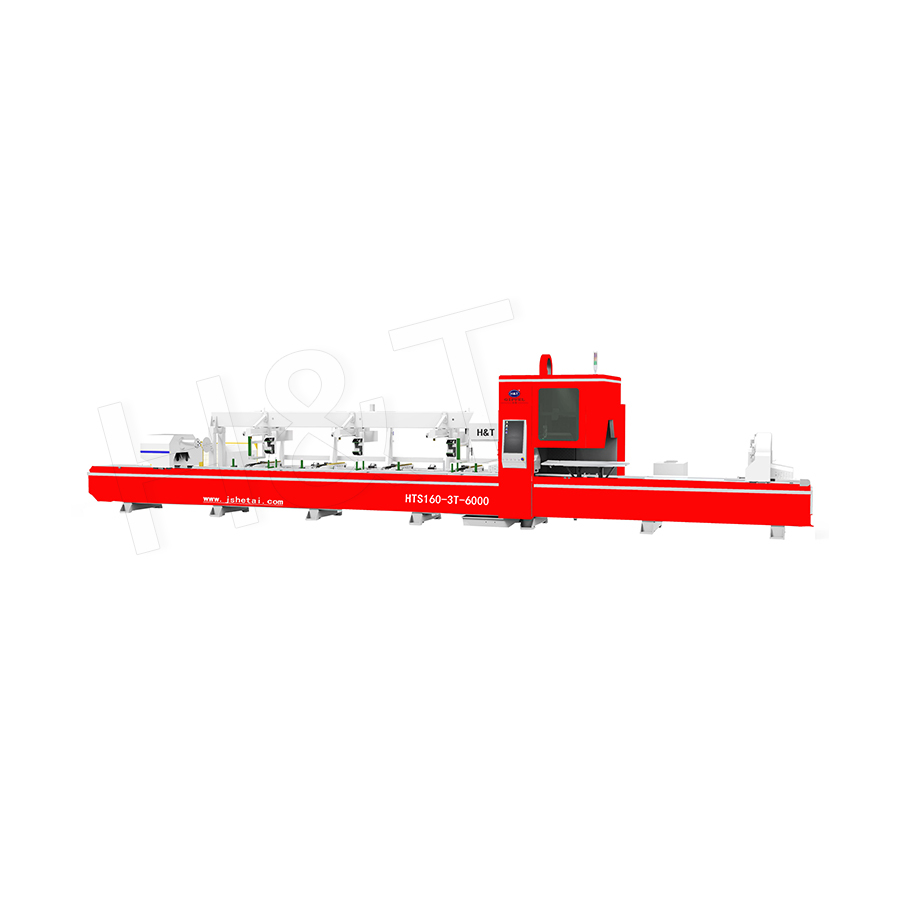
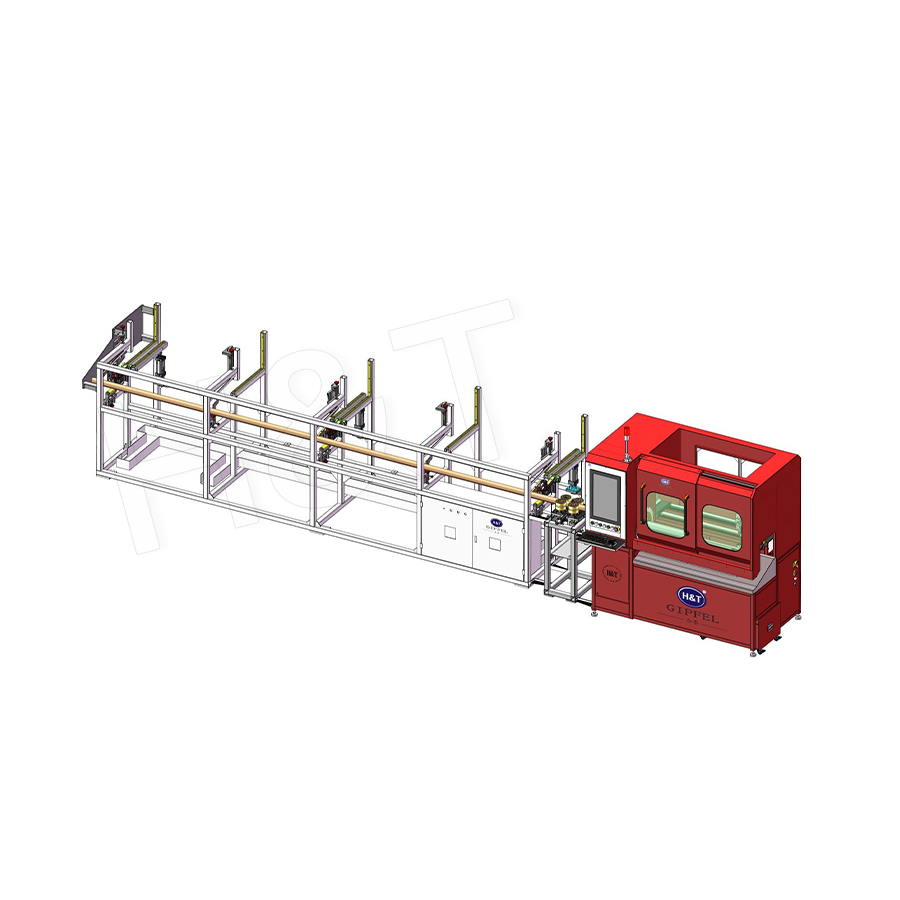 Laser CuttingHetai Machinery's fully automatic high-speed Laser Cutting utilizes fully automated, 3D multi-axis laser, and modular chuck technologies as its core technologies. Comb...View Product →
The line chart makes a point that equipment brochures tend to bury: laser cutting loses speed quickly as wall thickness increases, because the beam has to remove a larger volume of material at every pass. At 1 mm the laser line starts far above the others, and by 5 mm it has fallen to roughly a quarter of its thin-wall rate, with plasma nearly catching up. Waterjet sits low and almost flat, so its relative disadvantage is smallest on thick, hard or heat-sensitive material. That crossing point, rather than the headline speed, decides which machine earns its floor space. When most work sits below 3 mm wall, laser keeps cycle time short; when the mix runs at 5 mm and above in stainless or aluminium, a saw or a waterjet often finishes the part sooner once second-pass handling is counted. On an automated line the effect compounds, because a slow first station sets the takt for every station behind it.
For tube and profile work the cut edge matters as much as the cycle time, since a narrow heat-affected zone is what keeps an end-formable face intact. The mechanics behind that edge are covered in our guide to what laser cutting does to the cut edge.
Mechanical Cutting Still Wins on Square Ends and Cost per Part
A precision cold saw does not need a beam or a garnet stream to hold plus or minus 0.10 mm on tube, and for many parts that figure is enough. It also produces a square, burr-light end that a bending or end-forming station can accept without a second machine.
- Blade selection: carbide-tipped blades hold size on stainless tube, while cermet or coated blades suit harder alloys and higher production volumes.
- Clamping: a tube that shifts 0.05 mm during blade entry will produce a taper that no downstream adjustment can remove.
- Feed and speed: running too fast burns the blade edge and increases burr height, so the parameters matter more than the blade brand.
- Length stop: a servo-controlled feed holds repeat length far better than a manual stop, especially on parts over 1,500 mm.
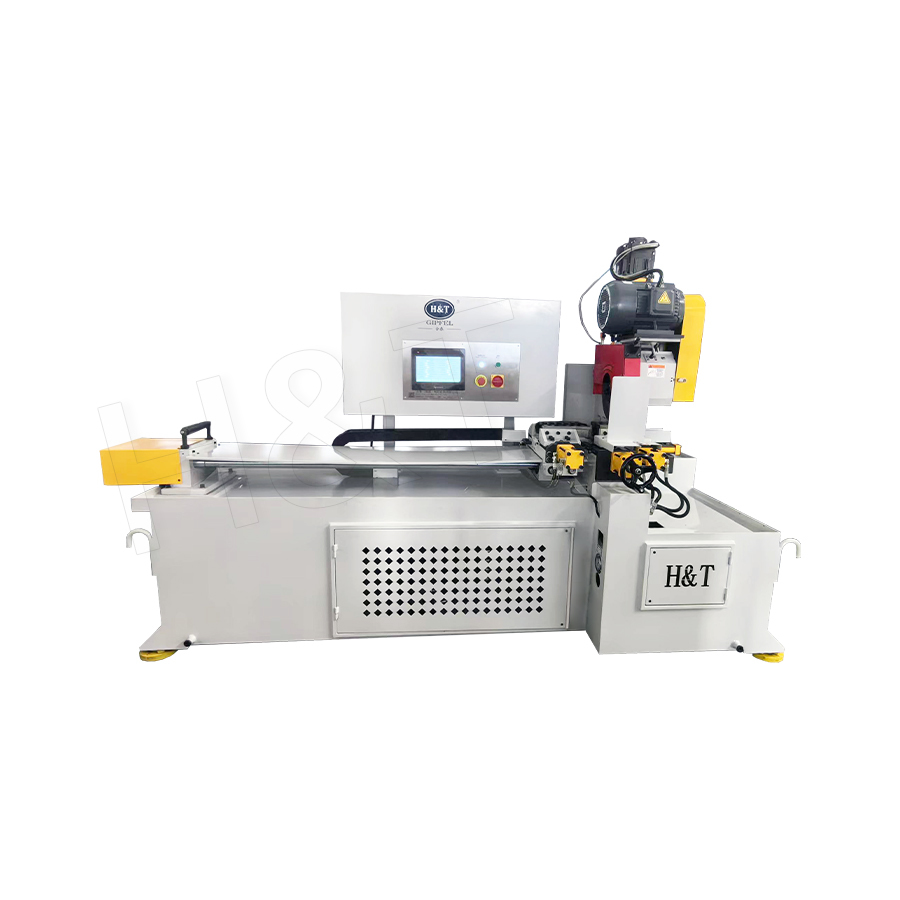
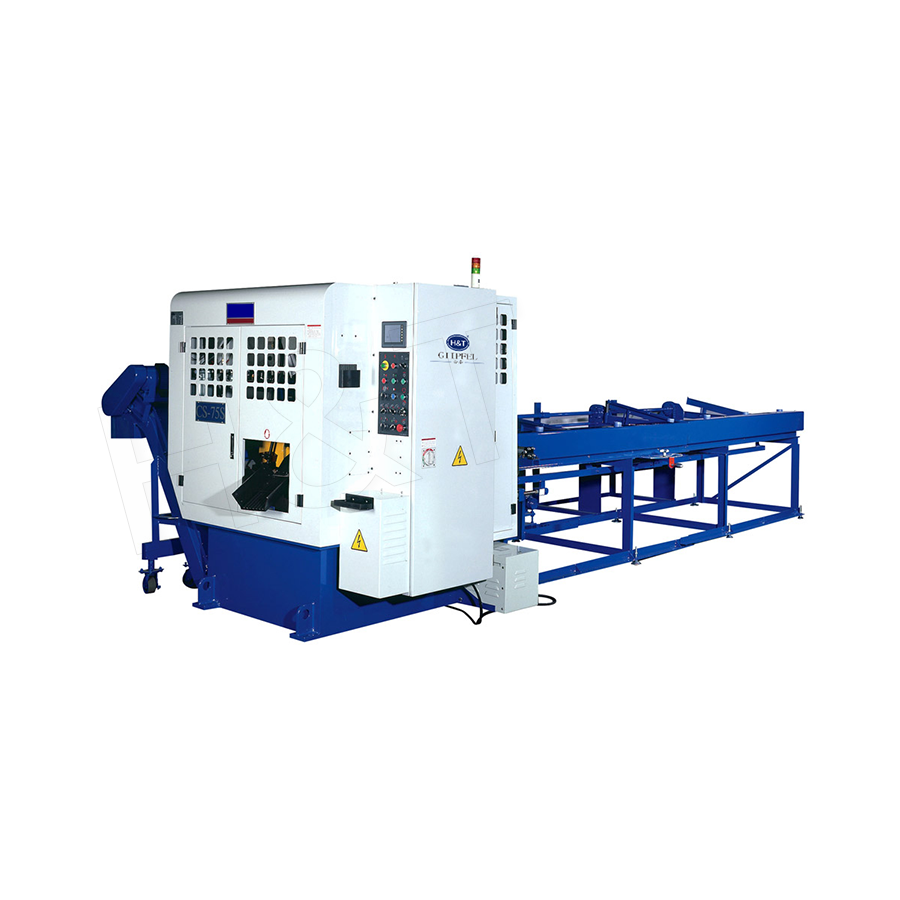
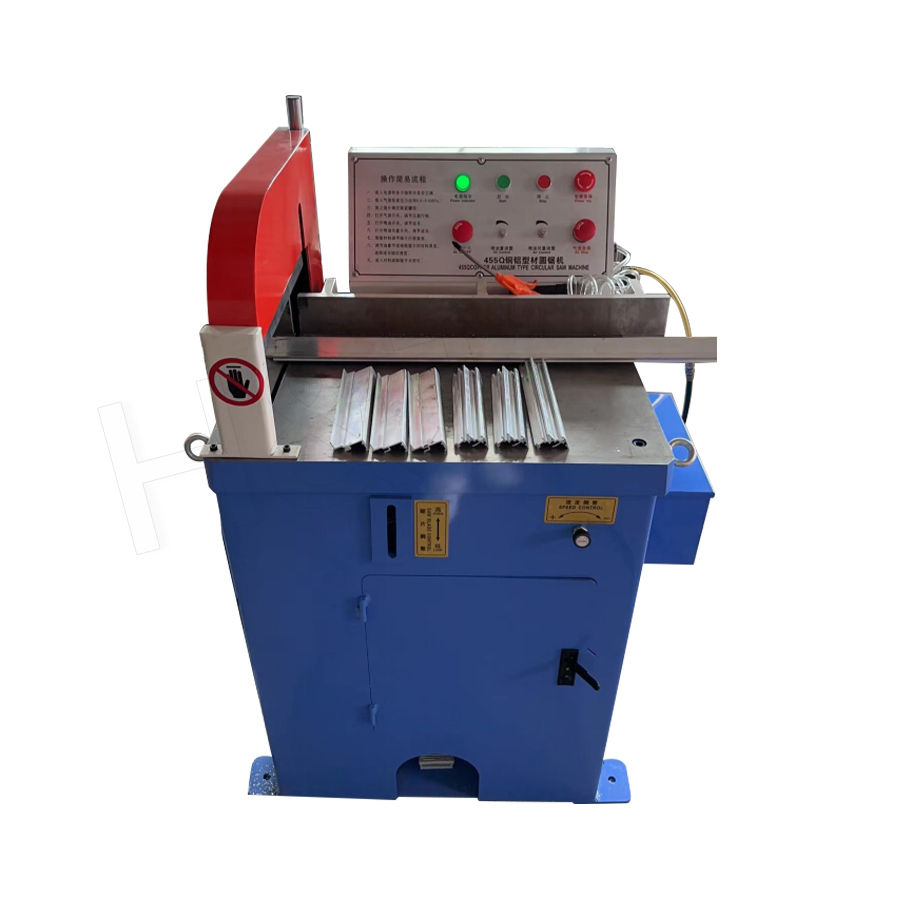
 Precision Cold Saw CuttingThe Precision Cold Saw Cutting Machine is a fully automatic cold saw for ultra-hard metal bars, designed for high-speed, precision cutting of irregularly shaped materi...View Product →
The trade-off is kerf. A saw removes two to three millimetres of material per cut, which matters when the raw tube is expensive, so nesting and remnant planning belong in the same conversation as the machine choice.
Burrs and Heat: The Hidden Cost of a Fast Cut
A cut that meets the print can still fail the cost target if every part needs manual cleanup before assembly.
Figure 3. First-pass yield measured as the share of cut parts that leave the cutting station with no manual rework, sampled across a full production week.
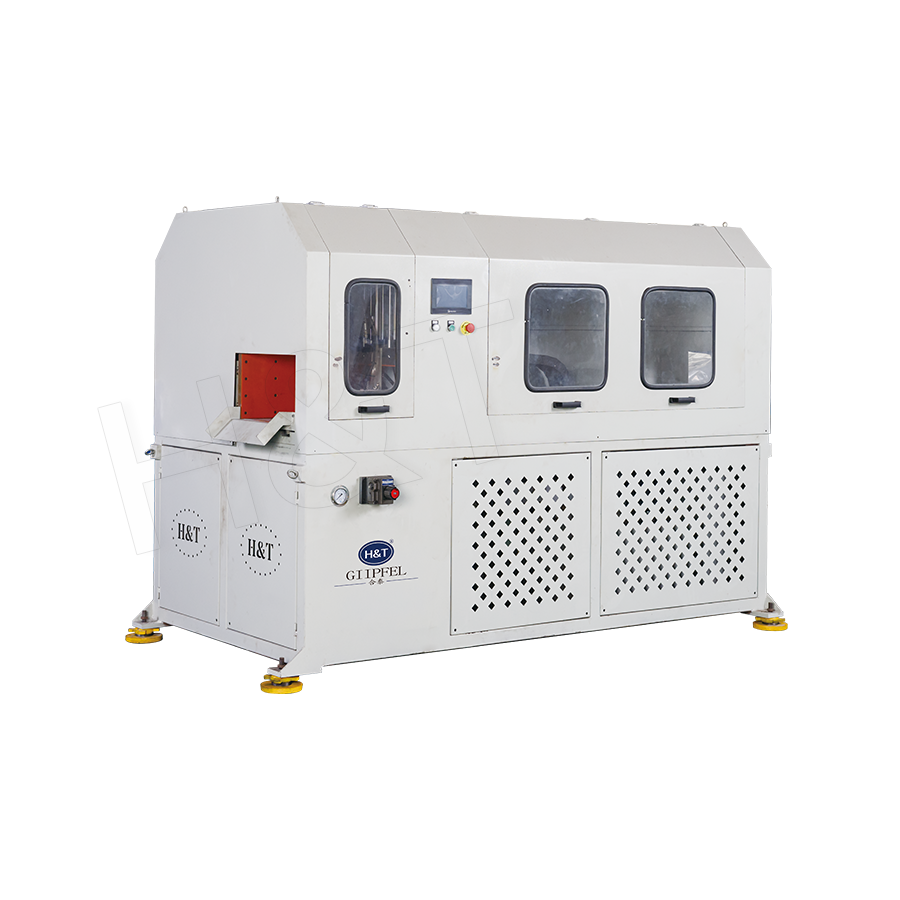
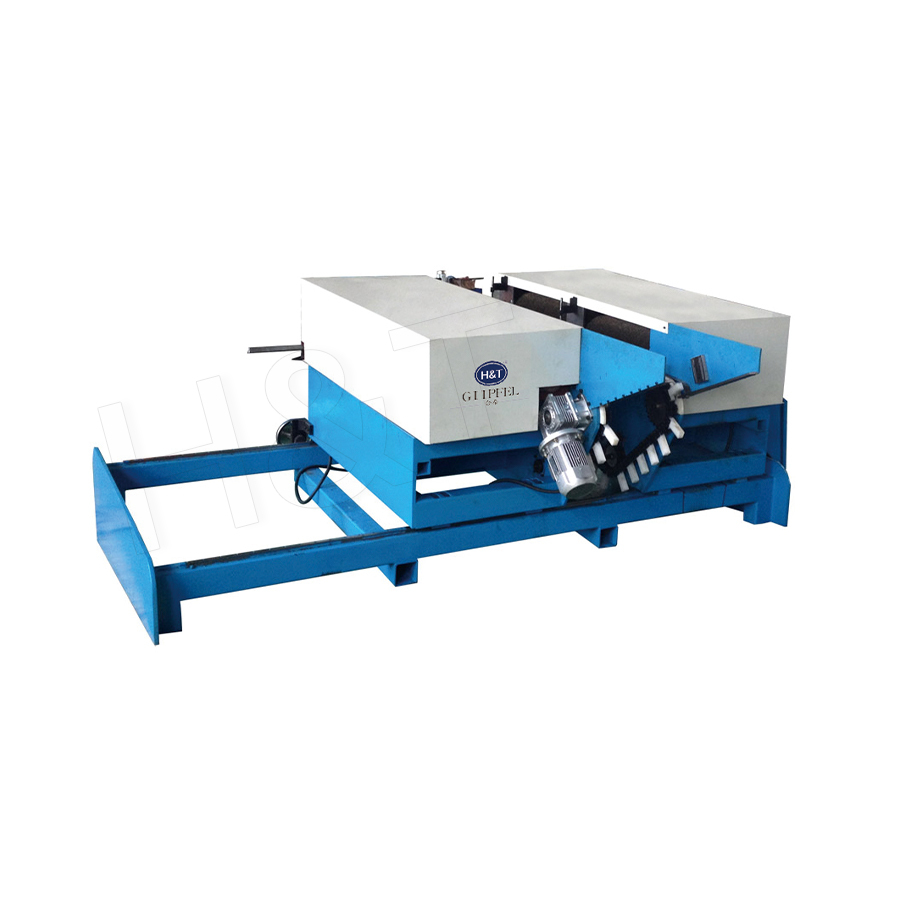 Deburring MachineThe chain-driven nylon plate ramp design ensures that the pipe fittings do not rub against the iron during deburring, effectively protecting the surface finish. The br...View Product →
First-pass yield in the chart counts only parts that leave the cutting station without manual rework. Laser cutting leads at 97 percent because the beam removes material rather than shearing it, leaving a small and consistent burr on the exit side. A well-set precision cold saw reaches around 94 percent, and most of its losses trace back to blade wear rather than to the process itself. Waterjet sits close behind at 95 percent, with the caveat that abrasive grit and taper must be managed on thick sections. Plasma and oxy-fuel trail by ten points or more because dross removal and edge cleaning are routine rather than occasional. The gap carries commercial weight: at 10,000 parts a year, a three-point yield difference is 300 extra trips to a deburring bench, and that labour rarely appears in the machine quotation.
Matching the Process to the Part
Most shops do not need one perfect process. They need the smallest set of processes that covers every part they quote.
Figure 4. Radar comparison of three cutting processes scored from 0 to 100 on the criteria buyers weigh most often when a new machine is specified.
The radar view plots three common choices against five attributes that buyers actually weigh. Laser cutting scores highest on tolerance and edge finish, while its score on heat input is the weakest of the three, because every cut leaves a heat-affected zone. Precision cold sawing produces the most balanced shape on the chart: strong on tolerance, speed and cost per part, and effectively neutral on heat. Waterjet matches the saw on heat and edge quality but drops sharply on cutting speed, which is the trade it makes for cutting almost any material without thermal damage. No single process fills the whole pentagon, which is why mixed shops usually keep more than one cutting method on the floor. The right pattern is the one that covers the attributes your own inspection reports measure every week.
Specifying a Cutting Machine Without Regret
A cutting machine is bought for the next five years of parts, not for the demonstration piece in the showroom. Five questions separate a durable purchase from an expensive lesson.
- What tolerance does the machine hold at your most common wall thickness and material, measured across a full shift instead of on a single sample?
- Which processes stay in-house, and which are subcontracted? Machining, welding and assembly done internally usually mean faster iteration when a fixture or program needs to change.
- What does changeover cost in time, and how many minutes pass before the first good part after a new program is loaded?
- What does the acceptance test include, and who signs the measurement report before shipment?
- What is the quoted delivery window, and what service commitment follows the installation?
Gipfel Precision Machinery builds tube cutting, chamfering, bending and end-forming equipment in Nantong, China, and keeps software development, precision machining, welding, assembly and FAT and SAT testing inside its own facility rather than outsourcing them. The company quotes a stable delivery window of 90 to 120 days, works from a research team with more than 50 national design patents, and supports machines across their full service life. If your cut ends feed straight into a bending or end-forming line, a feasibility test on your own material is worth more than any catalogue figure: send us your drawing and tolerance window and we will tell you which process holds it, and which one does not.
The cut is the cheapest place to fix a tolerance problem and the most expensive place to discover one. Every operation downstream inherits whatever the cutting station produces, so a decision that saves a few seconds per part at the saw or the laser can add minutes at the deburring bench and hours at final inspection.
Start with the four numbers, not the machine. Confirm them on your own material, at your own wall thickness, with your own fixture. The process that holds all four without hand work is the one worth buying, even when a competitor holds a better figure on paper.
Featured Products
A Complete Range of Tube Processing Solutions
Precision Tube Bending
 Ready To Customise
Your Bent Tube Products?

Ready To Customise Your Bent Tube Products?
Proprietary software, smart control systems, and 50+ patents ensure more efficient and intelligent production at every step.
Copyright © 2025 by Gipfel Precision Machinery Co.,Ltd All Rights Reserved. Privacy Precision Tube Machinery Manufacturer | Pipe Forming, Cutting, End Forming Solutions
