

 简体中文
简体中文 English
 日本語
日本語 한국어
한국어 Español
 русский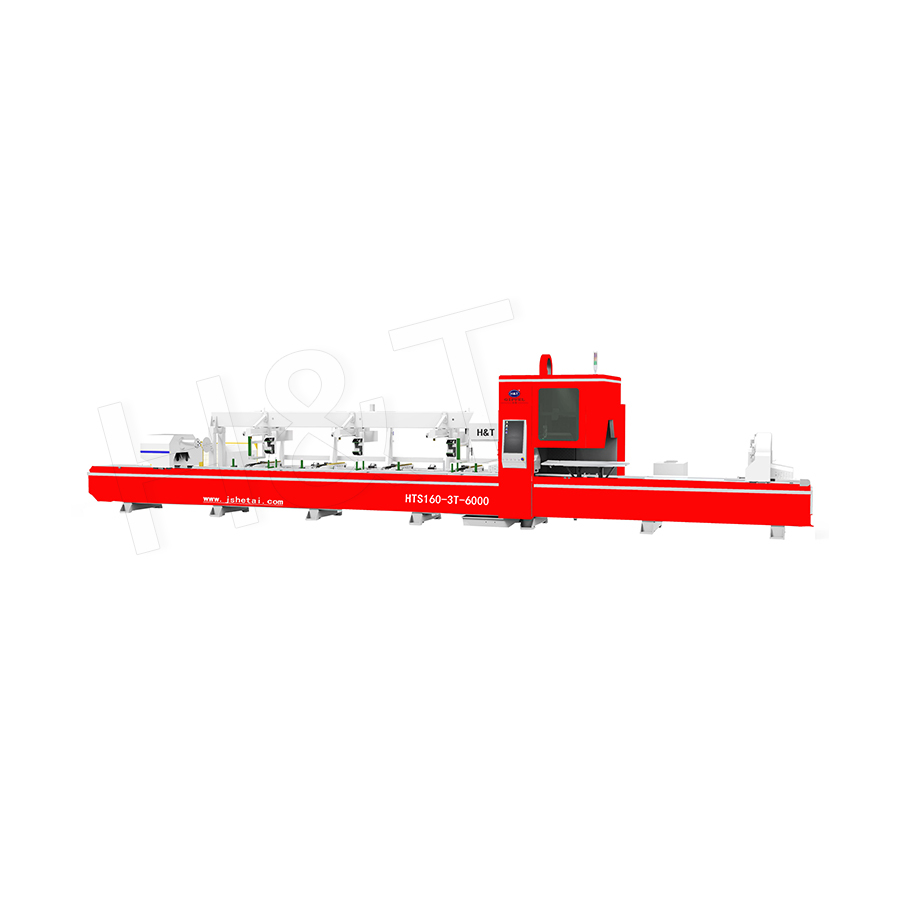
No. 196, Lifa Avenue, Haian City, Nantong, Jiangsu Province, China

News Category
Product Category
What are the applications of laser cutting?
Laser cutting is applied across virtually every major manufacturing and fabrication industry, from aerospace and automotive to medical devices, electronics, architecture, and consumer goods. By focusing a high-energy laser beam onto a workpiece surface to locally melt, vaporize, or burn the material — and then blowing away the residue with high-pressure assist gas — laser cutting delivers kerf widths below 0.1 mm, negligible heat-affected zones, and the ability to process metals, plastics, wood, composites, ceramics, and glass with equal precision. The breadth of materials it handles and the accuracy it achieves make it one of the most versatile cutting technologies available to modern manufacturers.
Content
- 1 How Laser Cutting Works: The Technical Foundation of Its Applications
- 2 Aerospace and Aviation: Precision Parts and Lightweight Structures
- 3 Automotive Manufacturing: Body Panels, Tubes, and Safety Components
- 4 Medical Device Manufacturing: Precision at the Microscale
- 5 Electronics and Semiconductor: Fine-Feature Cutting and PCB Processing
- 6 Sheet Metal Fabrication: The Broadest Application Domain
- 7 Architecture and Interior Design: Decorative Metalwork and Structural Elements
- 8 Energy Sector: Solar, Wind, and Oil and Gas Applications
- 9 Furniture and Consumer Products: Wood, Acrylic, and Mixed Materials
- 10 Tube and Profile Laser Cutting: A Specialized High-Value Application
- 11 Material-Specific Applications: What Laser Cutting Can Process
- 12 Emerging and Growing Application Areas
- 13 Choosing the Right Laser Cutting Solution for Your Application
How Laser Cutting Works: The Technical Foundation of Its Applications
Understanding why laser cutting is applicable to so many industries requires a brief look at the underlying process. A laser source generates a highly concentrated beam of coherent light — typically CO2, fiber, or Nd:YAG depending on the application — which is focused through a lens to a spot diameter often smaller than 0.2 mm. At this focal point, energy density can reach 10 million watts per square centimeter, causing instantaneous localized heating that vaporizes or melts the material regardless of its hardness or toughness.
A coaxial assist gas jet — oxygen for ferrous metals to promote oxidative cutting and improve speed, nitrogen for stainless steel and aluminum to prevent oxidation and achieve a clean edge, or compressed air for non-metals — blows molten material out of the kerf and protects the focusing optics. The result is a clean, narrow cut with a heat-affected zone typically less than 0.5 mm wide in most materials, far smaller than plasma or flame cutting alternatives.
This combination of precision, speed, material flexibility, and non-contact processing is what makes laser cutting applicable across such a diverse range of industries and applications.

Aerospace and Aviation: Precision Parts and Lightweight Structures
The aerospace industry was among the earliest adopters of laser cutting and remains one of its most demanding application environments. Aircraft and spacecraft components require tolerances measured in hundredths of a millimeter, materials that are often difficult to machine by conventional means, and surface finishes that require minimal post-processing. Laser cutting satisfies all three requirements simultaneously.
Titanium and Superalloy Component Fabrication
Titanium alloys and nickel-based superalloys used in engine components, airframe brackets, and structural panels are notoriously difficult to cut with conventional tools due to their toughness, work-hardening tendency, and poor thermal conductivity. Laser cutting processes these materials with dimensional tolerances of ±0.05 mm or better, without the tool wear and force-induced distortion that plague mechanical cutting methods. Engine combustion chamber liners, turbine blade blanks, and nacelle panels are all commonly laser-cut in modern aerospace manufacturing.
Composite Material Cutting for Airframe Structures
Carbon fiber reinforced polymer (CFRP) and glass fiber composites now account for more than 50% of the structural weight of modern commercial aircraft such as wide-body jets. These materials cannot be cut effectively with conventional saws or water jets without delamination or fiber pull-out at cut edges. Laser cutting — particularly with pulsed fiber lasers — severs composite laminates cleanly with minimal heat-affected zone, producing aerospace-grade cut quality in stringers, ribs, fuselage panels, and door surrounds.
Automotive Manufacturing: Body Panels, Tubes, and Safety Components
The automotive industry represents the largest single industrial market for laser cutting equipment globally, consuming an estimated 30–35% of all industrial laser system output. The combination of high production volumes, tight dimensional requirements, and the increasing use of high-strength steels and aluminum alloys makes laser cutting a cornerstone process in modern vehicle manufacturing.
Body-in-White Fabrication
Door panels, roof sections, floor pans, A/B/C pillars, and structural reinforcements in the vehicle body are laser-cut from advanced high-strength steel (AHSS) blanks before forming and welding. Laser cutting allows complex hole patterns, cutouts, and trimmed profiles to be produced in a single operation without tooling changes — a critical advantage for a technology where new model introductions require rapid tooling flexibility. A modern automotive body contains more than 500 individual laser-cut components in many vehicle architectures.
Tube and Profile Cutting for Chassis and Exhaust Systems
Three-dimensional tube laser cutting machines cut round, square, rectangular, and profiled steel and aluminum tubes to precise lengths with complex end profiles, notches, saddle cuts, and hole patterns in a single automated operation. Chassis components, roll cage sections, exhaust system tubes, seat frame rails, and suspension components are all produced this way. Tube laser cutting replaces 3–5 separate sawing, drilling, and milling operations with a single continuous process, reducing cycle time and eliminating inter-operation handling.
Airbag Components and Safety Systems
Airbag inflator components, seatbelt pretensioner parts, and anti-intrusion door reinforcement beams are laser-cut to the tight tolerances required for life-safety systems. The non-contact nature of laser cutting eliminates the risk of edge micro-cracking that can occur with mechanical punching — a critical quality consideration for components that must perform reliably in crash events.
Medical Device Manufacturing: Precision at the Microscale
Medical device manufacturing demands the tightest tolerances and cleanest cut surfaces of any industry. Implants, instruments, and diagnostic equipment must meet exacting regulatory standards and must not generate particulate contamination or thermally damaged surface layers that could cause biological reactions. Laser cutting — particularly with pulsed fiber and ultrashort-pulse lasers — delivers the precision and cleanliness that medical applications require.
- Stent cutting: Cardiovascular stents — the tiny mesh tubes deployed to keep arteries open — are laser-cut from thin-walled stainless steel or nitinol (nickel-titanium alloy) tubes with feature sizes as small as 50–100 micrometers. The precision of the laser process is essential: stent strut width directly determines mechanical performance in the artery wall
- Surgical instrument fabrication: Scissors, forceps, retractors, and needle holders are laser-cut from surgical-grade stainless steel sheet, producing burr-free edges that require minimal post-processing before polishing and sterilization
- Orthopedic implant components: Bone plates, spinal cages, and hip/knee implant blanks are laser-cut from titanium or cobalt-chrome alloy to near-net shape, reducing machining allowances and material waste
- Microfluidic device fabrication: Diagnostic and lab-on-chip devices require precisely cut channels and ports in polymer substrates with feature tolerances below 0.1 mm — achievable only through laser processing at this scale
- Hypodermic needle and catheter tip profiling: Needle bevel angles and catheter tip geometries are laser-cut to ensure consistent puncture performance and patient comfort
Electronics and Semiconductor: Fine-Feature Cutting and PCB Processing
The electronics industry uses laser cutting at every scale, from macro-level sheet metal enclosures down to micron-scale features in semiconductor wafers and flexible circuit substrates. The non-contact nature of laser processing is particularly valuable in electronics, where mechanical contact can introduce static discharge, particulate contamination, or substrate damage.
PCB and Flexible Circuit Processing
Printed circuit boards (PCBs) are laser-cut from FR4 laminates to produce precisely shaped boards with internal cutouts, slots for connectors, and contoured outlines — without the mechanical stress that router cutting imposes on delicate trace patterns near board edges. Flexible printed circuits (FPCs) used in smartphones, wearables, and medical devices are laser-cut from polyimide substrates with feature tolerances of ±0.02 mm, enabling the dense trace routing required in miniaturized electronics.
Semiconductor Wafer Dicing
Stealth dicing using infrared lasers focuses the beam inside a silicon wafer to create a subsurface modification zone, allowing the wafer to be cleaved along precise lines without a visible surface kerf. This process produces zero kerf width at the wafer surface, maximizing die yield from expensive wafer material, and is now standard practice in the production of smartphone processors, memory chips, and power semiconductors.
Metal Enclosures and EMI Shielding Components
Server enclosures, instrument housings, EMI shielding cans, and heat spreader plates are laser-cut from aluminum, stainless steel, and copper sheet with the ventilation hole patterns, connector cutouts, and mounting slot arrays that electronics packaging requires. Copper — notoriously reflective and thermally conductive, and therefore difficult to laser-cut — is now routinely processed by high-power fiber lasers operating at wavelengths the material absorbs more effectively.
Sheet Metal Fabrication: The Broadest Application Domain
General sheet metal fabrication — encompassing everything from industrial equipment and HVAC components to retail display fixtures and architectural elements — is the application domain where laser cutting has had its deepest impact. Laser cutting has largely replaced mechanical punching and plasma cutting for flat sheet work in precision fabrication shops worldwide because it offers faster setup (no tooling changes), tighter tolerances, better edge quality, and greater geometric flexibility than any alternative.
| Cutting Method | Typical Kerf Width | Heat-Affected Zone | Positional Accuracy | Material Flexibility |
|---|---|---|---|---|
| Laser Cutting | 0.05–0.3 mm | 0.05–0.5 mm | ±0.05–0.1 mm | Very high (metals + non-metals) |
| Plasma Cutting | 1–3 mm | 1–5 mm | ±0.5–1 mm | Metals only |
| Flame / Oxyfuel Cutting | 2–5 mm | 5–15 mm | ±1–2 mm | Ferrous metals only |
| Mechanical Punching | Tool-dependent | None (cold process) | ±0.1–0.2 mm | Metals; requires tooling per shape |
| Waterjet Cutting | 0.5–1.5 mm | None | ±0.1–0.2 mm | Very high but slower speed |
Sheet metal fabrication applications include HVAC ducting and diffusers, industrial enclosures and control panels, food service equipment, agricultural machinery guards, retail shelving and display systems, lighting fixtures, signage, and architectural metalwork. The ability to cut any geometry from a DXF or DWG file without producing dedicated tooling makes laser cutting the preferred process for both prototype quantities and medium-volume production runs.
Architecture and Interior Design: Decorative Metalwork and Structural Elements
Laser cutting has opened up entirely new design possibilities in architecture and interior design by making complex ornamental metalwork, parametric facade panels, custom screens, and decorative partitions economically viable in both one-off and production quantities. Designs that would have required hundreds of hours of manual fabrication can now be cut directly from a digital design file.
- Facade cladding panels: Aluminum and stainless steel facade panels with intricate perforated patterns regulate solar gain, provide privacy screening, and create distinctive visual identities for commercial and institutional buildings
- Decorative screens and privacy partitions: Steel, brass, and aluminum laser-cut screens used in hotel lobbies, restaurants, offices, and residential interiors create light-and-shadow effects impossible to achieve with any other manufacturing method at comparable cost
- Stair balustrades and railing infill panels: Custom-pattern infill panels cut from flat steel sheet or stainless steel replace traditional turned balusters and allow architects to introduce artwork, typography, or geometric pattern into functional building elements
- Signage and wayfinding systems: Corporate logos, directory signage, and room identification plates are laser-cut from stainless steel, aluminum, and acrylic with letter sizes as small as 5 mm and positional accuracy that ensures visual consistency across large sign families
- Structural connection plates: Gusset plates, beam-to-column connection plates, and truss node plates are laser-cut to precise hole locations, ensuring bolt-hole alignment in structural steel assemblies without field drilling
Energy Sector: Solar, Wind, and Oil and Gas Applications
The energy industry — from conventional oil and gas infrastructure to renewable solar and wind installations — depends heavily on laser cutting for both the precision components inside energy conversion systems and the structural steelwork of energy infrastructure.
Solar Energy: Cell Processing and Module Frames
In solar cell manufacturing, laser cutting is used to scribe and singulate thin-film solar cells on glass substrates and to separate crystalline silicon cells from wafers. The process achieves cell edge quality that minimizes electrical dead zones at cell margins. A 1% improvement in cell singulation quality translates directly to a 1% improvement in module efficiency — a significant commercial benefit at the scale of solar production. Aluminum module frame profiles are also laser-cut to length with end-milled slots in a single tube laser operation.
Wind Energy: Tower Sections and Hub Components
Wind turbine towers are fabricated from heavy steel plate sections with complex flange profiles and access door cutouts — all laser-cut to the tight tolerances required for full-penetration weld joint fit-up. Hub castings are laser-cut and trimmed after casting to achieve the blade attachment interface geometry. High-power laser cutting systems with outputs exceeding 20 kW now cut steel plate up to 40 mm thick, enabling direct application to the heavy structural components in utility-scale wind turbines.
Oil and Gas: Pipeline Fittings and Pressure Vessel Components
Nozzle reinforcement pads, saddle plates, flange blanks, and pipe spool components are laser-cut from carbon steel, stainless steel, and duplex alloy plate for oil and gas pressure equipment. The dimensional accuracy of laser-cut weld preparation profiles ensures correct joint geometry and consistent weld throat dimensions — factors critical to pressure equipment integrity certification under ASME, EN, or equivalent standards.
Furniture and Consumer Products: Wood, Acrylic, and Mixed Materials
Laser cutting is not limited to metals. CO2 lasers cut and engrave wood, MDF, plywood, acrylic, leather, fabric, and paper with the same precision as fiber lasers process steel — making laser cutting a core production technology for furniture, consumer goods, promotional products, and craft manufacturing.
Furniture Manufacturing
Intricate decorative panels, chair back openings, cabinet door inserts, and joinery components are laser-cut from MDF and plywood to tolerances of ±0.1 mm, enabling tight-fitting dry assembly without adhesive — a significant advantage in flat-pack furniture production. Steel and aluminum furniture frames with complex hole arrays and notch profiles are cut by fiber laser systems, eliminating the need for dedicated punching tooling on short production runs.
Textile and Leather Goods
CO2 laser cutting systems cut leather, synthetic leather, and woven and nonwoven textiles without fraying, because the laser heat simultaneously seals the cut edge. Shoe uppers, handbag panels, watch straps, and upholstery pieces are laser-cut from digitally nested patterns that optimize material utilization — an important cost factor given the price of quality leather. Lace-pattern cutting in textiles produces decorative effects that are structurally impossible to achieve by mechanical die cutting.
Acrylic and Display Products
Acrylic (PMMA) sheet is laser-cut to produce retail display cases, point-of-sale stands, illuminated signage, trophy components, and architectural models. The laser produces a flame-polished edge on acrylic that requires no post-processing, significantly reducing production time compared to saw-cut edges that require buffing and polishing.
Tube and Profile Laser Cutting: A Specialized High-Value Application
Three-dimensional tube laser cutting — in which a CNC-controlled rotary chuck feeds and rotates tube sections while a laser cutting head processes complex features in all axes — represents one of the highest-productivity advances in modern metal fabrication. It replaces multiple sequential machining operations with a single automated process, delivering dramatic cycle time reductions and enabling geometric complexity that was previously impractical.
Applications where tube laser cutting delivers the greatest value include:
- Automotive chassis and roll cages: Complex notched and mitered tube ends for welded tubular frame structures in passenger cars, commercial vehicles, and motorsport applications
- Agricultural and construction equipment: Boom arms, frame sections, and hydraulic cylinder mounts fabricated from square and rectangular hollow sections with multiple hole patterns and coped ends
- Furniture and racking systems: Tubular steel furniture frames and industrial storage racking with connector slots, mounting holes, and decorative profiles
- Medical equipment frames: Hospital bed frames, wheelchair structures, and rehabilitation equipment where tight tolerances in tube end profiles ensure accurate welded assembly
- Sports and fitness equipment: Gym machine frames, bicycle frame components, and sports goal structures requiring complex intersecting tube joints
Companies specializing in tube processing equipment and automation solutions — such as those offering fully integrated tube laser cutting lines with automated loading, cutting, sorting, and unloading — bring the efficiency of high-volume production to the flexibility of job-shop fabrication. Gipfel, as a high-tech enterprise integrating R&D, manufacturing, sales, and service in this field, develops and manufactures both the cutting equipment and the automation systems that surround it — drawing on advanced CNC machining centers, gantry machining centers, and high-precision testing equipment to ensure product stability and accuracy in its own manufacturing processes.
Material-Specific Applications: What Laser Cutting Can Process
One of the defining characteristics of laser cutting relative to competing technologies is the breadth of materials it can process effectively. The following table summarizes typical applications by material type and the laser source most commonly used for each.
| Material | Typical Thickness Range | Laser Type | Representative Applications |
|---|---|---|---|
| Carbon Steel | 0.5–40 mm | Fiber laser | Structural parts, machinery, automotive frames |
| Stainless Steel | 0.5–25 mm | Fiber laser (N₂ assist) | Food equipment, medical devices, architectural panels |
| Aluminum Alloy | 0.5–20 mm | Fiber laser (high power) | Aerospace structures, electronics housings, transport |
| Copper / Brass | 0.5–8 mm | High-power fiber laser | Electrical connectors, decorative hardware, heat exchangers |
| Titanium | 0.5–15 mm | Fiber laser (N₂/Ar assist) | Aerospace, medical implants, sports equipment |
| Acrylic (PMMA) | 1–25 mm | CO2 laser | Signage, displays, lighting diffusers |
| Wood / MDF / Plywood | 1–30 mm | CO2 laser | Furniture, interior panels, models, crafts |
| Fabric / Leather | Up to 10 mm | CO2 laser | Apparel, footwear, upholstery, accessories |
| CFRP / Composites | 0.5–10 mm | Pulsed fiber / CO2 | Aerospace panels, sports equipment, automotive |
| Glass / Ceramics | 0.3–10 mm | CO2 / UV laser | Electronics screens, sensor substrates, decorative glass |
Emerging and Growing Application Areas
Beyond the established application domains, laser cutting is expanding into new areas as laser power increases, new wavelengths become practical, and automation reduces the cost per part. Several emerging application areas are growing rapidly.
Electric Vehicle Battery Manufacturing
The rapid growth of electric vehicle (EV) production has created massive demand for laser cutting in battery cell and pack manufacturing. Aluminum current collectors, copper anode substrates, and battery module end plates are laser-cut to precise dimensions. A single EV battery pack may contain more than 7,000 individual laser-cut components across the cell, module, and pack levels, making battery manufacturing one of the fastest-growing laser cutting application sectors globally.
Thin-Film and Flexible Electronics
Ultrashort-pulse (picosecond and femtosecond) lasers cut thin-film materials — including transparent conductive oxides, flexible photovoltaic films, and organic LED substrates — with negligible thermal damage and feature precision below 10 micrometers. This enables the production of flexible displays, wearable sensors, and printed electronics with performance levels unachievable by any other cutting process.
Additive Manufacturing Post-Processing
Laser-cut support removal and separation of 3D-printed metal parts from build plates is increasingly performed by laser cutting systems integrated directly into additive manufacturing cells. The precision of laser cutting ensures that the part-to-support interface is severed cleanly without damaging the component's functional surfaces.
Defense and Armored Vehicle Systems
Ballistic steel and armor alloys used in military vehicle protection systems require laser cutting for hull panels, mounting brackets, and hull penetrations. High-power laser systems cut 40–60 mm thick armor steel with edge quality sufficient for direct welding, eliminating the grinding and re-profiling required after plasma or flame cutting of these materials.
Choosing the Right Laser Cutting Solution for Your Application
The diversity of laser cutting applications means that no single machine configuration is optimal for every use case. Selecting the right solution requires matching laser type, power level, motion system configuration, and automation level to the specific requirements of the target application.
- Define the primary material and thickness range: Fiber lasers are optimal for metals; CO2 lasers for non-metals; both have specific power requirements for different thicknesses. Cutting 20 mm steel requires fundamentally different equipment than cutting 0.5 mm stainless.
- Assess geometry requirements: Flat sheet cutting requires a 2D gantry system; tube and profile cutting requires a dedicated tube laser with rotary chuck; three-dimensional formed part cutting requires a 5-axis or 6-axis laser robot system.
- Evaluate production volume and automation requirements: High-volume production justifies investment in automated loading/unloading, nesting software optimization, and integrated material handling; low-volume precision work may prioritize machine flexibility over throughput.
- Consider edge quality and post-processing requirements: Applications requiring direct welding after cutting need oxide-free, square edges achieved with nitrogen assist; applications where cut quality is less critical may use oxygen assist for faster cutting speed.
- Assess supplier capability in R&D, manufacturing, and service: A laser cutting equipment supplier with integrated R&D, manufacturing, and service capability — operating advanced production facilities with CNC machining centers and high-precision testing equipment — delivers more reliable equipment and more responsive after-sale support than distributors without manufacturing depth.
As a custom laser cutting supplier and OEM/ODM laser cutting company, Gipfel brings together international first-class design capabilities, advanced automated production infrastructure, and deep application engineering expertise to deliver cutting solutions optimized for each customer's specific processing requirements — supporting both standard applications and highly customized intelligent automation solutions across the full range of industries described in this article.
Featured Products
A Complete Range of Tube Processing Solutions
Precision Tube Bending
 Ready To Customise
Your Bent Tube Products?

Ready To Customise Your Bent Tube Products?
Proprietary software, smart control systems, and 50+ patents ensure more efficient and intelligent production at every step.
Copyright © 2025 by Gipfel Precision Machinery Co.,Ltd All Rights Reserved. Privacy Precision Tube Machinery Manufacturer | Pipe Forming, Cutting, End Forming Solutions
